Yemen: Hunger Crisis Intensifies Amid Worsening Aid Shortfalls
Yemen – The ongoing conflict in Yemen has pushed nearly half the population in government-controlled regions into a dire state of food insecurity, with projections indicating the situation will deteriorate further if global funding for humanitarian efforts remains insufficient. According to the latest report from the United Nations’ global food security network, the crisis is now at a critical juncture, threatening to escalate without urgent intervention.
Aid Funding Cuts Amplify Humanitarian Strain
Currently, approximately five million individuals—comprising 47 percent of Yemen’s population—are experiencing severe food shortages, classified as crisis levels or worse in the Integrated Food Security Phase Classification (IPC) system. An additional 1.4 million people are already in the emergency category, and this number is anticipated to rise as the summer months approach. The lean season, running from June to September, is expected to elevate the emergency phase to 1.5 million, exacerbating the strain on vulnerable communities.
Looking ahead, the period following the harvest, spanning October to December 2026, is unlikely to provide relief. The report warns that the number of people in emergency conditions (IPC Phase 4) could surge to 1.8 million, leaving millions without essential support. This alarming trend underscores the growing challenge of sustaining humanitarian aid in the face of dwindling resources and political instability.
Combining Factors Fuel the Crisis
The Food and Agriculture Organization (FAO), World Food Programme (WFP), and UN Children’s Fund (UNICEF) have highlighted that the crisis is driven by a convergence of factors. These include the economic collapse of Yemen, climate-related disasters, the disruption of livelihoods, and the decline in humanitarian assistance. “Families are being forced to stretch their resources beyond their limits,” the agencies stated in a joint statement. “The cumulative impact of these challenges is pushing communities to the brink of survival.”
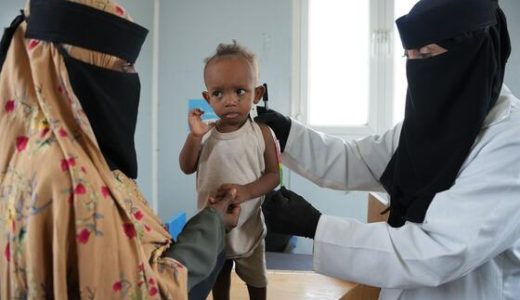
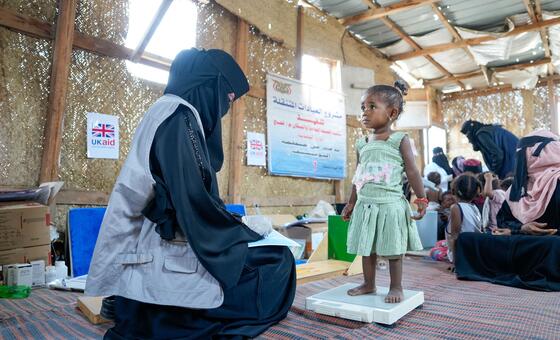
One of the most pressing issues is the reduction in access to critical preventive nutrition services. Poor dietary variety, inadequate household food intake, and deteriorating living conditions are contributing to a rise in acute malnutrition, particularly among young children and pregnant women. These groups are especially susceptible to the health impacts of prolonged food shortages, with malnutrition rates remaining stubbornly high despite over a decade of conflict.
Disrupted Livelihoods and Agricultural Challenges
Irregular salaries, soaring food and fuel prices, and limited income-generating opportunities have significantly hampered families’ ability to afford basic necessities. Over 60 percent of Yemeni households rely on agriculture as a primary source of sustenance, yet harvests are under mounting pressure. Extreme weather patterns, pest outbreaks, and the breakdown of supply chains have disrupted farming activities, reducing crop yields and increasing the cost of production.
Consequently, even families with some agricultural income are struggling to meet their nutritional needs. The economic strain is compounded by the destruction of infrastructure, which limits access to markets and essential services. This creates a vicious cycle where food scarcity leads to malnutrition, which in turn weakens the population’s ability to work or recover.
Mobile Clinics Tackle Health Emergencies
Amid the worsening crisis, the World Health Organization (WHO) has stepped in to address urgent health concerns in displacement camps. Partnering with local organizations in Aden and Marib, the WHO is deploying mobile healthcare units to reach communities cut off from traditional medical services. These teams focus on early detection and treatment of diseases, such as malaria, which thrive in crowded and underserved areas.
In Al-Shaab camp, a densely populated displacement site in Aden, health challenges are a daily reality. Overcrowding, substandard sanitation, and limited access to clean water increase the risk of infectious diseases, particularly for women and children. For 21-year-old Abeer Abdulwarith, the situation is all too familiar. “Sometimes, at night, a child suddenly develops a fever, diarrhoea, or vomiting, and there are no emergency services nearby,” she recounted.
“If my husband, I, or my children fall ill, we can’t afford treatment,” Abeer added. “Our resources are stretched thin, and every illness feels like a crisis.”
Mobile clinics have become a lifeline for families like hers. By bringing medical services directly to displacement sites, these units ensure that individuals can receive timely diagnosis and care. Abeer’s family recently benefited from such a visit, where tests for malaria and dengue were conducted. “We waited for the results, and thank God, there was no malaria,” she said. “We’re healthy now, but it’s a constant worry.”
Calls for Increased Funding
UN agencies emphasize that without immediate, sustained, and scaled-up financial support, millions will face irreversible consequences. The crisis is not only deepening hunger but also eroding livelihoods and threatening long-term recovery. Funding shortfalls are undermining critical programs in food assistance, nutrition, health, and water, sanitation, and hygiene (WASH) services, which are vital for preventing disease outbreaks and improving living conditions.
The report calls on the international community to prioritize funding for these programs. “Every additional dollar can save lives and restore dignity to those on the edge of survival,” the agencies urged. They stress that the current funding levels are inadequate to meet the growing demand, and that without intervention, the crisis will persist well beyond the lean season.
The interplay of conflict, climate change, and economic instability has created a perfect storm in Yemen. While the government and UN bodies work to mitigate the damage, the lack of resources continues to leave millions without the support they desperately need. The situation in displacement camps, like Al-Shaab, serves as a microcosm of the broader crisis, highlighting the urgent need for coordinated global action.
As the lean season progresses, the risk of disease outbreaks—such as malaria—will intensify, further straining already fragile systems. The WHO’s mobile clinics are a critical step in addressing these challenges, but they require consistent funding to operate effectively. The combination of early intervention and long-term resilience programs is essential to prevent the crisis from spiraling out of control.
With millions at risk of falling into deeper hunger and malnutrition, the stakes have never been higher. The UN agencies’ plea for increased funding underscores the importance of addressing the root causes of the crisis. By scaling up aid efforts, the international community can help stabilize Yemen’s food systems, protect vulnerable populations, and pave the way for recovery in the coming months.