Zambia’s Post-Election Turbulence Draws Sharp UN Scrutiny Over Detentions of Opposition Figures
Provpnmatrix.com – Zambia, a country that has maintained uninterrupted multiparty democracy since 1991, is navigating a tense period following its August general elections. President Hakainde Hichilema secured a second five-year mandate with a commanding share of the popular vote, yet the weeks surrounding the poll have been marked by contested claims, overnight police operations, and the detention of senior opposition figures — developments that have prompted the United Nations human rights chief to issue a pointed call for restraint and procedural fairness.
Election Outcome and Immediate Dispute
The presidential and parliamentary contests concluded with Hichilema and his United Party for National Development (UPND) capturing large majorities across both chambers. Official tallies, released on the morning of Tuesday, 12 August, placed the incumbent at approximately 60 per cent of the national vote. His principal rival, Brian Mundubile of the Patriotic Front, finished second with roughly 38 per cent, while twelve additional candidates split the remainder of the electorate.
Before those final figures were formally published, Mundubile had already proclaimed himself the victor. He asserted, without presenting documentary proof, that the electoral process had been manipulated. In subsequent public statements, the Patriotic Front leader pointed to what he described as mismatches between results recorded at individual polling stations and the aggregate figures later broadcast by electoral authorities. He further alleged that military personnel present during the vote-counting phase intervened in a manner that skewed the final outcome. An urgent, independent inquiry into the counting process was demanded by his camp.
Nighttime Raids and Coup Allegations
The situation escalated over the weekend when government officials announced that police had conducted a raid on a private residence. A brief exchange of gunfire followed, and several opposition personalities were taken into custody. Authorities accused the detainees of plotting a coup d’état allegedly supported by a foreign militia force. The claim carried significant weight in a region where military-backed takeovers have periodically destabilized neighbouring states, though no formal dossier or court filing was made public at the time of the announcement.
Mundubile rejected the government’s narrative outright, labelling it a fabrication designed to delegitimise the opposition. His party issued a brief statement confirming that he was being held at a “secure location,” a phrase that offered little concrete detail about his whereabouts or conditions of confinement.
President Hichilema addressed journalists on Tuesday and confirmed that formal criminal proceedings would be initiated against those taken into custody, signalling that the state intended to move beyond administrative detention into the prosecutorial track.
Family Silence and Due-Process Questions
Among the newly detained individuals is an Anglican bishop whose relatives have spoken publicly about their anxiety. Family members stated that they had received no word from him for two full days and had not been informed of the facility where he was being held. In a country where the church has historically served as a watchdog on civil liberties, the silence surrounding a senior cleric’s detention amplified public unease about the rule of law in the immediate post-election window.
UN Human Rights Chief Urges Compliance with International Standards
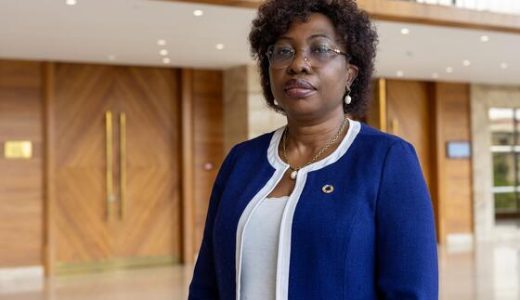
Volker Türk, the UN High Commissioner for Human Rights, voiced “deep concern” over the unfolding situation and directed a clear message to Zambian authorities on Wednesday. His intervention invoked the core guarantees enshrined in the International Covenant on Civil and Political Rights, to which Zambia is a signatory.
“Stop arresting people arbitrarily and to uphold fully the due process rights of all those detained.”
Türk elaborated on the specific obligations that attach from the moment a person is seized by state agents:
“All detainees must be notified at the time of their arrest of the reasons for their arrest and promptly informed of any charges against them. They must also be allowed access to legal representation, as well as communication with their families. They must be treated humanely while in custody and brought promptly before a judge.”
Broader Implications for Zambia’s Democratic Trajectory
Zambia’s post-independence record includes peaceful transfers of power in 2011, 2016, and 2021, which earned the country a reputation as a stabilising force in southern Africa. The current episode, however, tests whether that institutional memory can withstand the pressures of a closely watched second-term consolidation. The combination of a disputed margin, overnight detentions framed as anti-coup measures, and the temporary disappearance of a senior cleric from public view creates a window in which both domestic and international observers will watch closely whether due-process norms hold or whether executive discretion expands beyond what the constitution permits.
For ordinary Zambians returning to work after the election holiday, the question is no longer who won the vote but whether the machinery of justice will operate with the same transparency that the ballot box was supposed to embody. The coming weeks — and the speed with which charges are filed, hearings are scheduled, and detainees are brought before a magistrate — will define whether this post-election episode becomes a footnote or a turning point in the country’s democratic arc.
Related Reading
Frequently Asked Questions
What is Zambia?
Zambia is the main topic of this guide. The article explains the context, practical details, and next steps readers should understand.
Why does Zambia matter?
Zambia matters because readers are looking for a useful answer, not just a short summary. Good content should match search intent and help them decide what to do next.