When the Newsroom Becomes a Lifeline: UNESCO’s Global Evidence on Media’s Role in Crises
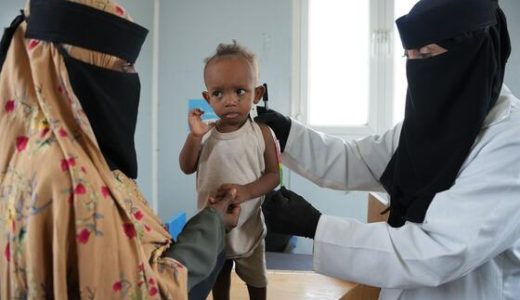
Provpnmatrix.com – In Burkina Faso, a handful of radio broadcasts explaining the dangers of infant malaria, pneumonia, and diarrhoea changed the trajectory of thousands of small lives. Caregivers who tuned in began taking their children to health centres at dramatically higher rates. The result: under-five mortality fell by an average of 7.15 percent each year, and an estimated 2,967 children were kept alive. That single programme, running on a modest local frequency, did more for child survival in its region than many top-down health campaigns managed to achieve.
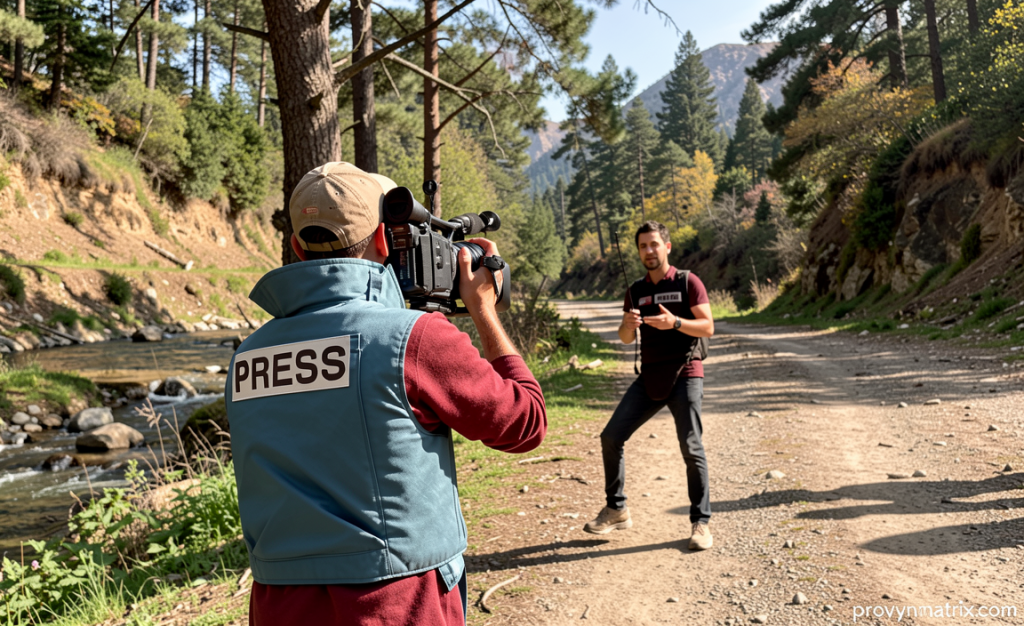
It is one thread in a vast tapestry of evidence now assembled in a sweeping new report from UNESCO, the United Nations culture agency. Titled The value of journalism: Global evidence on why media matters to economies, national security and crises, the document draws on research spanning 152 countries to quantify what many practitioners have long intuited: that independent, trusted reporting is not a luxury layered atop emergency response but a structural component of it.
The Numbers Behind the Newsroom
The report’s findings are striking in their specificity. A single New York Times dispatch covering a natural disaster was associated with an additional $500,000 in official aid flowing to the affected area. In the United States, one study estimated that disinformation surrounding the pandemic produced nearly 2.3 million extra cases and 66,000 hospitalisations in 2021 alone, generating roughly $2 billion in avoidable medical costs and contributing to 45,000 preventable deaths. The World Health Organization had already labelled the flood of competing claims during the pandemic an “infodemic,” a term that captured how quickly unverified narratives could outpace verified science.
Across the 152-country dataset, greater press freedom correlated with lower risks of armed conflict, political repression, and human-rights violations. The mechanism is straightforward: when citizens can see what is happening, governments face stronger incentives to act responsibly, and communities gain the information they need to prepare, respond, and recover.
From Earthquake Zones to Famine Relief
The report catalogues dozens of concrete instances where reporting altered outcomes. A campaign by journalists at the Los Angeles Times pushed through new building codes that made California’s largest city measurably more resilient to seismic events. After a major earthquake elsewhere, radio coverage connected separated family members, encouraged children to return to classrooms, and disseminated practical guidance on hygiene, clean drinking water, and shelter construction—steps that helped prevent secondary disease outbreaks.
The historical record reinforces the point. British journalist Michael Buerk’s 1984 BBC reporting from famine-stricken Ethiopia is credited with mobilising more than $200 million in relief funding. In 2015, Turkish photojournalist Nilüfer Demir’s image of the drowned Syrian child Alan Kurdi on a Turkish beach jolted global attention back onto the conflict, triggering a surge in charitable giving that included a fifty-fold increase in funding to certain non-governmental organisations.
Environmental Watchdogs and Public-Health Shields
Original environmental reporting, the report argues, translates directly into better protection of natural ecosystems. An online magazine’s investigation into wastewater discharge from a landfill site in Thailand prompted regulatory authorities to intervene. In Uganda, sustained investigative coverage of illegal sand mining contributed to a nationwide ban on the practice.
In Nigeria, radio content specifically designed to counter COVID-19 misinformation and vaccine hesitancy helped regular listeners identify and challenge false narratives in their own communities. The programmes did not simply inform; they equipped audiences with the tools to interrogate claims circulating in their social networks.
When Misinformation Becomes a Weapon
The report is equally blunt about the costs of getting it wrong. False narratives, rumours, and coordinated disinformation exacerbate crises, undermine a community’s capacity to prepare and rebuild, and can prevent aid from reaching those who need it most. In conflict settings, inaccurate or deliberately distorted reporting has been linked to heightened tensions and violence against humanitarian workers.
“Trusted journalism acts as a crucial source to counter false and harmful disinformation.”
That framing positions the newsroom not as an observer of crisis but as an active participant in risk reduction. UNESCO, which supports media-literacy programmes worldwide, emphasises that critical reporting also functions as a watchdog over the aid sector itself, pressuring donors and implementing agencies toward greater transparency, reform, and more effective delivery.
What the Evidence Demands
The practical implication is that protecting press freedom is not an abstract democratic ideal divorced from public safety. It is, in the report’s framing, a disaster-preparedness measure on par with early-warning systems, building codes, and vaccine programmes. When a government restricts reporting, it does not merely silence voices; it removes a layer of protection from its own population at precisely the moment that protection is most needed.
The Burkina Faso radio programme, the Los Angeles building-code campaign, the Nigerian anti-misinformation broadcasts—each is small in scale compared with the machinery of state. Yet each altered a measurable outcome: fewer deaths, stronger structures, more informed citizens. The report’s central argument is that scaling up such interventions, rather than treating them as anomalies, is where the next generation of humanitarian and development strategy should invest.
Related Reading
Frequently Asked Questions
What is What s journalism worth in disasters?
What s journalism worth in disasters is the main topic of this guide. The article explains the context, practical details, and next steps readers should understand.
Why does What s journalism worth in disasters matter?
What s journalism worth in disasters matters because readers are looking for a useful answer, not just a short summary. Good content should match search intent and help them decide what to do next.