DR Congo’s Ebola Toll Crosses 2,300 as Bundibugyo Strain Sets a National Record
Provpnmatrix.com – The Democratic Republic of the Congo has entered a grim new chapter in its long struggle with Ebola. The Bundibugyo-lineage outbreak now raging across parts of the country has claimed the lives of 2,325 people, according to figures released by local authorities and confirmed by the World Health Organization on Monday. That total eclipses the 2,299 fatalities recorded during the 2018–2020 epidemic, which had held the record for the deadliest Ebola event in Congolese history.
The scale of the current crisis extends well beyond mortality. With 4,945 confirmed infections logged to date, the episode surpassed the 2018–2020 event in total case count during late July. Government data indicate that 730 patients are still receiving care in isolation wards or hospital settings, while 1,040 individuals have recovered. The case-fatality ratio has climbed to 46 per cent, a figure that underscores how aggressively this particular strain is turning lethal once symptoms take hold.
A Strain Without an Approved Cure
Unlike the Zaire and Sudan lineages that have been targeted by licensed vaccines, the Bundibugyo variant has no approved therapeutic or prophylactic product in routine use. Clinical trials are currently advancing in the United Kingdom and Canada, but until those programmes yield usable interventions, frontline workers must rely on supportive care, isolation protocols, and community-level containment measures. That gap between what the science demands and what is available on the ground compounds every other challenge the response faces.
For perspective, the only Ebola epidemic larger than the present Congolese outbreak was the West African crisis of 2014–2016, which produced 28,616 cases and 11,310 deaths across Guinea, Liberia, and Sierra Leone. The Bundibugyo event is far smaller in absolute numbers, yet it is consuming lives at a considerably faster daily pace, a distinction that WHO officials have flagged in internal assessments.
Why the Response Is Struggling to Keep Pace
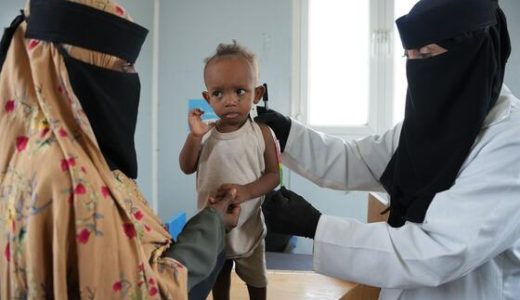
Three structural obstacles have slowed containment efforts. First, much of the affected territory operates with fragile or absent primary-health infrastructure, meaning that case detection, sample transport, and basic clinical management all depend on improvised logistics. Second, armed conflict continues at the geographic epicentre of transmission, restricting safe movement of health workers and supplies. Third, deep-seated distrust of medical authorities—fostered by years of uneven service delivery and occasional community tensions—has led some households to delay seeking care or to resist contact-tracing visits.
WHO has warned that the outbreak is “outpacing the response,” a phrase that captures the widening gap between the speed of transmission and the speed at which interventions can be deployed.
Regional and Multilateral Mobilisation
In early June, WHO and the Africa Centres for Disease Control and Prevention jointly launched a continental response plan designed to strengthen emergency coordination, disease surveillance, laboratory capacity, infection-prevention protocols, clinical care, community engagement, research pipelines, logistics, and support for essential health services across affected nations.
The UN humanitarian coordinator’s office, OCHA, has committed $54.5 million to accelerate operations inside the DRC, prepare neighbouring states for possible cross-border spread, and fund community-trust-building initiatives. South Sudan and the Central African Republic sit directly on the transmission pathway and are therefore priority neighbours for preparedness funding.
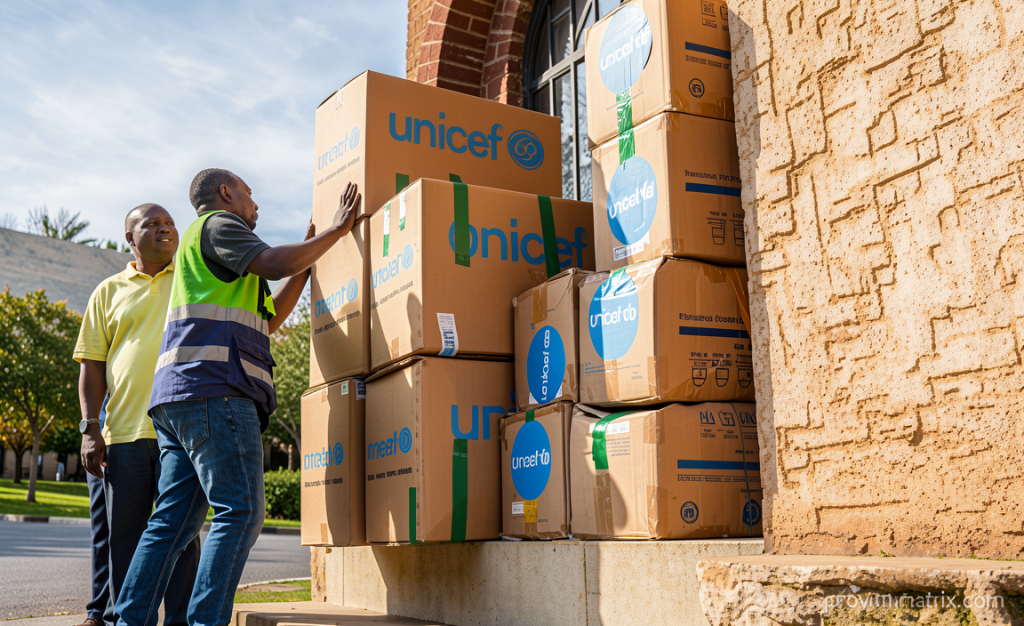
In the Central African Republic, the UN peacekeeping mission MINUSCA is coordinating with multiple UN agencies to deliver technical assistance, surveillance support, preparedness measures, communication campaigns, and capacity-building programmes to local authorities. UN Spokesperson Stéphane Dujarric briefed reporters on Monday on the mission’s role:
“Our peacekeeping colleagues in the country have been providing technical and logistical assistance, including the transportation of health experts throughout the CAR and the delivery of essential equipment and supplies.”
On Friday, WHO convened a multilateral meeting in Bangui bringing together representatives from the Central African Republic, the DRC, the Republic of the Congo, South Sudan, and Uganda. The five governments agreed to deepen cooperation on disease surveillance and pandemic preparedness, signalling a shared recognition that borders will not contain a virus moving through river systems, market networks, and cross-border labour flows.
What Comes Next
WHO spokesperson Tarik Jašarević told UN News that the agency has initiated a “major scale-up in every aspect of the response” to the Ebola emergency. Last week, the organization stated its objective of reversing the rapid geographic spread within a three-month window by bringing transmission under sustained control.
That timeline, however, depends on conditions that are outside the agency’s direct command. WHO emphasised that support remains needed “for all areas of the response,” from laboratory reagents to community communication budgets.
“Responders need safe access to communities, and the resources to end this outbreak and save lives.”
For the millions of Congolese residents living in or near the affected zones, the coming weeks will determine whether the combination of international funding, regional coordination, and local trust can out-run a virus that, for now, is running faster than the machinery built to stop it.
Related Reading
Frequently Asked Questions
What is Ebola outbreak becomes deadliest in DR Congo?
Ebola outbreak becomes deadliest in DR Congo is the main topic of this guide. The article explains the context, practical details, and next steps readers should understand.
Why does Ebola outbreak becomes deadliest in DR Congo matter?
Ebola outbreak becomes deadliest in DR Congo matters because readers are looking for a useful answer, not just a short summary. Good content should match search intent and help them decide what to do next.