Building Stronger Defences Before the Next Pandemic
Provpnmatrix.com – Six years after COVID-19 upended daily life across the planet, the question facing governments is no longer whether another major health emergency will emerge, but whether the world will be ready when it does. The pandemic caused the deaths of more than seven million people, overwhelmed health services, destabilized economies and revealed deep inequalities in the availability of lifesaving medical tools.
Its effects extended far beyond hospitals and clinics. Families lost relatives and livelihoods, schools and businesses were disrupted, and already fragile health systems struggled to maintain essential services. The crisis demonstrated that a disease first identified in one place can become a worldwide threat with extraordinary speed.
That reality has made pandemic prevention, preparedness and response a central issue for international cooperation. Infectious disease risks now sit alongside climate-related emergencies and conflict as pressures that can undermine stability, security and public health across borders.
“We must not repeat the mistakes of the past when the next pandemic strikes, as we know it will. That means working together.”
UN Secretary-General António Guterres has stressed that the experience of COVID-19 contained both remarkable scientific achievement and serious collective failure. Vaccines were produced in record time, showing what research, investment and cooperation can accomplish. Yet the people and countries with the greatest vulnerabilities frequently waited longest for vaccines, testing and treatment.
Health Security Has No National Boundary
Rapid detection and shared information are essential because an outbreak cannot be contained effectively if countries work in isolation. Surveillance systems, laboratory capacity, reliable data exchange, research and development, and fair access to medical products all shape how quickly the world can recognize and control a growing threat.
Preparedness increasingly relies on the understanding that human, animal and environmental health are closely linked. More than 60 per cent of emerging infectious diseases move from animals to people. Monitoring the places where people, animals and ecosystems interact can therefore help identify risks before they become wider outbreaks.
This approach is often described as a connected health framework: preventing disease is not limited to treating patients after they become ill. It also means detecting unusual infections early, supporting laboratory networks, protecting routine healthcare, and ensuring public-health authorities have the people, equipment and resources needed to act promptly.
Equity Is More Than Vaccine Access
COVID-19 exposed a sharp divide between nations that could manufacture vaccines and medical supplies and those that depended on limited international availability. Wealthier countries were generally in a stronger position to secure vaccines, diagnostics and treatments, while many lower-income countries faced longer waits and greater uncertainty.
Fairness in pandemic preparedness is not limited to the distribution of finished products. It also involves access to scientific expertise, trained workers, financing, technology, production capacity and reliable supply chains. A country cannot mount a strong emergency response if it lacks the ability to test for disease, maintain basic health services or obtain necessary supplies when demand surges worldwide.
For that reason, prevention and response cannot be treated as solely domestic responsibilities. Reducing danger in one community helps reduce danger elsewhere. Investment in preparedness is most effective when it strengthens the ability of all countries to detect, contain and respond to health threats.
A New International Framework
In May 2025, countries adopted the landmark WHO Pandemic Agreement, the first binding global accord focused on pandemic prevention, preparedness and response. The agreement is intended to improve collective action before and during future emergencies, while addressing the gaps laid bare by COVID-19.
One major element still requires agreement: the Pathogen Access and Benefit-Sharing annex, known as PABS. The proposed arrangement is designed to govern the sharing of pathogen samples and data while helping ensure that countries needing the resulting vaccines, diagnostics and treatments can obtain them.
Negotiations on the annex were advancing on Friday. Once the World Health Assembly adopts it, the wider treaty can be opened for signature and ratification at the national level. The outcome will matter because access to samples and scientific knowledge must be matched by practical access to the products developed from them.
The agreement also provides for a worldwide supply-chain and logistics network intended to move medical supplies to countries during emergencies. It includes a coordinating financial mechanism to help nations build and expand capacities for prevention, preparedness and response.
What Effective Preparedness Requires
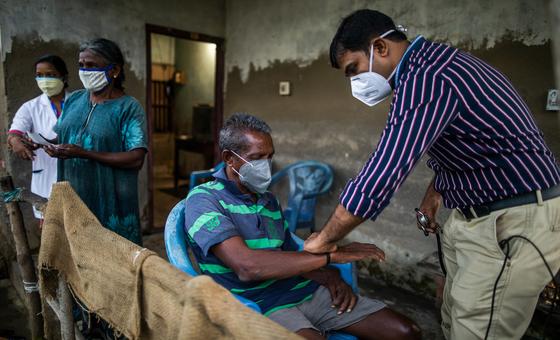
A more resilient global system begins with stopping outbreaks where possible and limiting their spread when prevention fails. That calls for early warning, surveillance and public-health action that can reach communities before hospitals face overwhelming pressure.
Preparedness also depends on having resources in place before an emergency. Research and development cannot be treated as an afterthought, nor can the workforce, laboratories and systems required to deliver care. The continuity of essential health services must remain a priority even when a new disease demands urgent attention.
Manufacturing capacity is another crucial factor. Medical production and emergency supplies need to be available across different regions, supported by supply chains capable of operating during periods of extreme demand. Concentrating production in too few places can leave large parts of the world exposed when borders, transport or exports are disrupted.
None of these goals can be sustained without dependable funding and legal arrangements that support cooperation. Preparedness often receives less attention when an immediate crisis has passed, yet the interval between pandemics is precisely when systems must be strengthened.
Leaders Meet in New York
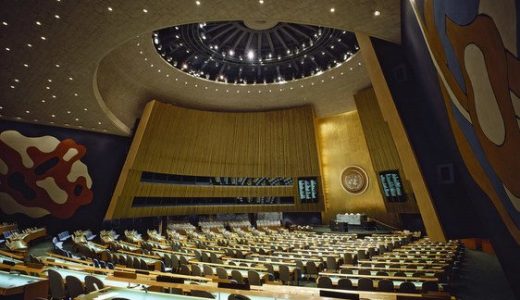
On 25 September 2026, the 193-member UN General Assembly will convene a high-level meeting on pandemic prevention, preparedness and response at UN Headquarters in New York. World leaders will examine how to coordinate action, secure financing and improve equitable access to medical supplies.
A political declaration is expected to set out renewed commitments. Its significance will rest on whether it helps turn lessons into durable capacity: stronger health systems, earlier alerts, fairer distribution of tools and closer international collaboration.
The date of the next pandemic cannot be known. What is clear is that waiting until health facilities are under severe strain is too late to begin preparing. COVID-19 showed that protecting people in any country contributes to protecting people everywhere, making readiness a shared responsibility rather than a distant concern.
Related Reading
Frequently Asked Questions
What is The race to build a pandemic?
The race to build a pandemic is the main topic of this guide. The article explains the context, practical details, and next steps readers should understand.
Why does The race to build a pandemic matter?
The race to build a pandemic matters because readers are looking for a useful answer, not just a short summary. Good content should match search intent and help them decide what to do next.