Early Treatment and Reliable Oxygen Supply Shape Ebola Survival in the DRC
Provpnmatrix.com – DRC – Health teams responding to the Democratic Republic of the Congo’s largest Ebola outbreak face an urgent challenge: getting people into care quickly enough to improve their chances of survival. More than 8,000 confirmed infections have now been recorded since the outbreak began, while hospitals and treatment centres work to expand staffing, beds and access to oxygen.
The outbreak, caused by the Bundibugyo strain of Ebola virus, was declared in May and has spread across 63 health zones in seven of the country’s 26 provinces. Congolese authorities have confirmed 8,067 cases and 3,901 deaths, placing the fatality rate above 48 per cent.
Although transmission has started to ease in certain locations, the overall number of infections remains exceptionally high. The continuing scale of illness has put renewed focus on the practical conditions that determine whether a patient can receive life-saving support in time.
“While we are beginning to see a reduction in transmission in some areas, the number of cases remains high for this outbreak,” Dr Janet Diaz of WHO’s Health Emergencies Programme said in Geneva.
Reaching care before illness becomes severe
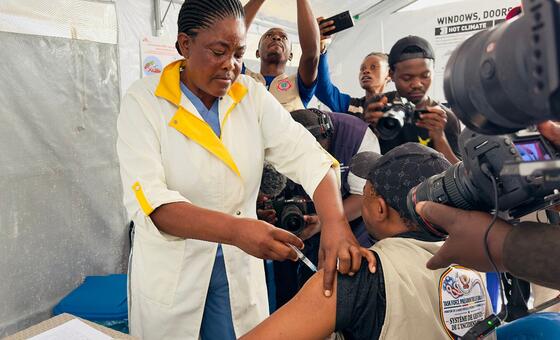
For people infected with Ebola, prompt medical attention can make a major difference. Supportive treatment may include monitoring, hydration, treatment for symptoms and complications, and oxygen for patients whose condition is severe. Yet distance, delayed recognition of symptoms and difficulties transferring patients between facilities can prevent people from arriving at a treatment centre soon enough.
“We know that for Ebola disease, early access to care can significantly improve chances of survival,” Dr Diaz said. “Yet in this outbreak, many people are still dying at home or in their communities because they are unable to reach health facilities on time.”
Dr Diaz recently completed her second visit to the DRC during the present outbreak. Her trip included treatment facilities in Bunia, the capital of Ituri province in the northeast, which has become the centre of the epidemic.
The response is concentrating on recognizing suspected illness earlier, strengthening referral arrangements and delivering supportive care as soon as possible. These measures matter not only for individual patients but also for outbreak control: timely assessment can help connect people with treatment and support the wider public-health response around affected communities.
“Delays in seeking care, together with challenges in access and referral, continue to complicate the response,” she said.
More beds, but a growing need for skilled teams
Treatment capacity has increased substantially since the first weeks of the outbreak. What began with only a limited number of beds has grown to more than 1,600 beds across 50 Ebola treatment centres in the seven affected provinces. Plans call for capacity to rise beyond 2,000 beds.
Physical space alone is not enough to provide safe Ebola care. Each bed depends on trained personnel who can maintain infection-prevention practices, observe patients closely and provide treatment throughout the day and night. WHO and its partners have trained nearly 400 health workers and opened a training hub in Bunia to support the growing workforce.
“Every patient bed requires a skilled workforce to provide safe, quality care around the clock,” Dr Diaz said.
The expansion reflects the demanding nature of an Ebola emergency. Facilities need staff, protective procedures, supplies, reliable referral links and the ability to care for people whose health can deteriorate rapidly. Strengthening these elements together is essential if extra treatment beds are to translate into better outcomes.
Oxygen remains a central gap
Oxygen is one of the most important forms of supportive care for seriously ill Ebola patients, but dependable supplies remain out of reach in many health facilities, particularly during emergencies. The challenge involves far more than securing cylinders or medical devices. Oxygen delivery depends on functioning equipment, dependable infrastructure, trained workers and systems able to keep supplies available where patients need them.
“Ensuring access to oxygen is about much more than cylinders or equipment,” Dr Diaz said, stressing the need for functioning health systems, reliable infrastructure, trained health workers and sustainable delivery systems “that reach patients wherever they are”.
Earlier efforts to increase oxygen availability during Ebola and Marburg virus disease responses have helped make stronger patient outcomes possible in the current emergency. Sustaining that progress will be especially important as treatment services continue to grow across affected provinces.
Vaccine research continues in Ituri
There is no approved vaccine specifically for the Ebola Bundibugyo virus responsible for this outbreak. Vaccine trials are under way, however, as health authorities and partners seek evidence on possible protection against the strain.
Last week, WHO announced that 20,000 doses of the Ervebo vaccine had been assigned to a research vaccination programme in Ituri province. Ervebo has previously shown effectiveness against the Ebola Zaire virus, making the programme part of a broader research effort rather than an established vaccine solution for Bundibugyo Ebola.
For now, the immediate priority remains clear: identify illness sooner, overcome barriers to referral, provide well-staffed treatment and ensure that essential oxygen reaches patients in time. In an outbreak of this size, those foundations can be decisive for people facing the disease and for communities seeking a path out of the crisis.
Related Reading
Frequently Asked Questions
What is DRC?
DRC is the main topic of this guide. The article explains the context, practical details, and next steps readers should understand.
Why does DRC matter?
DRC matters because readers are looking for a useful answer, not just a short summary. Good content should match search intent and help them decide what to do next.