UN releases $160 million for 12 severely neglected humanitarian emergencies
Provpnmatrix.com – The United Nations has announced a new $160 million package to sustain emergency assistance in 12 of the world’s most overlooked crises, warning that funding cannot save lives unless people in need can actually be reached.
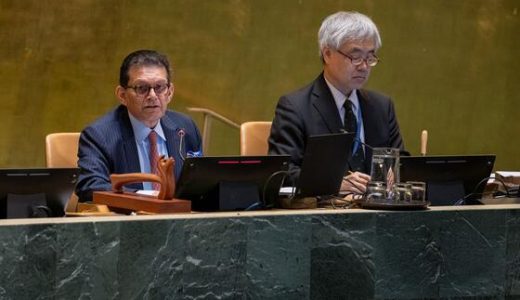
The allocation was released on Friday by the UN Office for the Coordination of Humanitarian Affairs (OCHA), led by Emergency Relief Coordinator Tom Fletcher. It is intended to keep essential relief moving in places where humanitarian needs are acute but available resources remain far below demand.
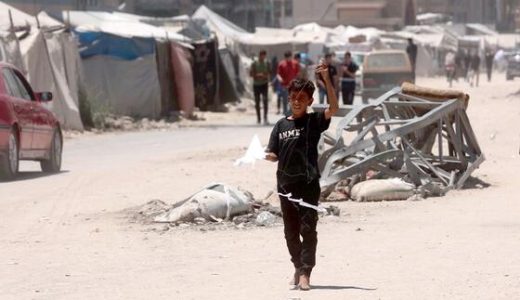
Some 87 million people are facing the most serious humanitarian crises identified for this year. For many of them, the challenge is not limited to a shortage of money. Conflict, border restrictions, blocked roads and other access barriers can prevent food, medicine, shelter and protection services from reaching communities in danger.
“We have 87 million people to reach, and no time to waste,” said Mr. Fletcher.
He stressed that the new funding can help prevent vulnerable people from being overlooked, while urging governments and parties with influence over humanitarian access to act.
“Today’s new funding will help us get aid to people who might otherwise be left behind. But money alone won’t get us there: leaders must exercise political will to open access, remove obstacles and help us reach people whose lives are on the line.”
Access remains central to the response
Five of the 12 emergencies covered by the package are also among 10 settings where Fletcher has sought urgent diplomatic action to secure humanitarian access: Afghanistan, the Occupied Palestinian Territory, South Sudan, Sudan and Yemen.
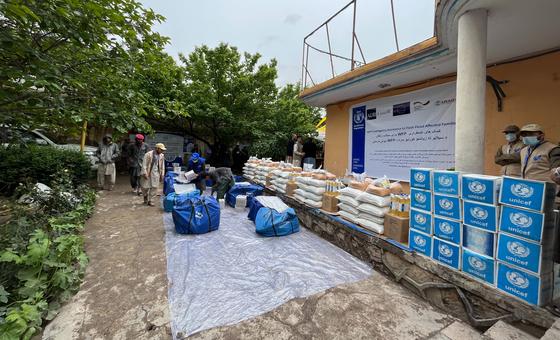
Improved access in those locations could enable assistance to reach 11 million people. The appeal highlights a recurring reality of humanitarian work: supplies may be available, funding may be approved and aid organizations may be prepared to respond, but practical and political obstacles can still leave civilians without support.
Open routes and crossings are especially important when communities need rapid delivery of food, clean water, health services and other life-saving aid. Humanitarian operations also depend on the ability of personnel and relief materials to move safely, consistently and without unnecessary delay.
How the funding will be distributed
Most of the announcement—$150 million—comes from the UN Central Emergency Response Fund, known as CERF. Afghanistan, the Occupied Palestinian Territory and Yemen will each receive $18 million from the allocation.
The remaining support is aimed at the wider group of 12 underfunded emergencies selected through CERF’s assessment process. Decisions on these allocations draw on analysis of more than 100 humanitarian indicators, alongside consultations with partners working in affected areas.
This approach is designed to direct scarce emergency resources to crises that receive limited attention and insufficient financial support despite serious humanitarian consequences. In underfunded settings, organizations often have to make difficult choices about which essential services can continue and which needs must wait.
Friday’s release brings CERF allocations in 2026 to $483 million. The fund is administered by OCHA and is among the UN’s quickest mechanisms for releasing emergency financing when urgent needs emerge or when a crisis is being left behind by broader funding efforts.
Disability inclusion built into emergency funding
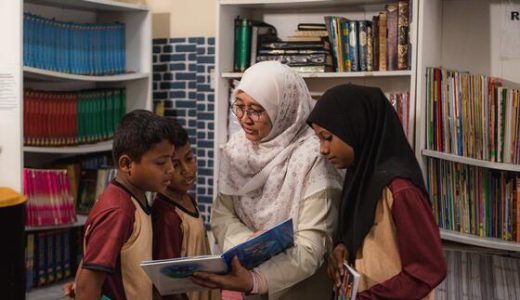
An additional $10 million has been reserved for people with disabilities across the same 12 crises. The funding is intended to help ensure that humanitarian assistance is accessible and responsive to their needs, rather than treating disability inclusion as an afterthought during an emergency response.
CERF will work alongside the UN Global Disability Fund, which plans to provide as much as $4 million in additional funding and technical assistance through its Inclusion Catalyst Hub.
Part of that support will strengthen local organizations of persons with disabilities and expand their role in humanitarian operations. Their involvement can help responders identify barriers that may otherwise exclude people from services, information, distribution points or protection measures.
The emphasis on inclusion recognizes that emergencies often magnify existing obstacles. When transport is disrupted, public information is inaccessible or services are overstretched, people with disabilities can face heightened difficulty obtaining the help they need. Integrating accessibility from the start can make relief more effective for the communities it is meant to serve.
A fund created for rapid global response
The UN General Assembly established CERF in 2005 to provide rapid, flexible financing for humanitarian emergencies. Since then, the fund has delivered approximately $10.2 billion in assistance to hundreds of millions of people in more than 117 countries and territories.
Its support has been made possible by contributions from 135 Member States and observers, as well as private donors and individual supporters. CERF’s annual funding target is $1 billion.
The latest allocation underscores both the value and the limits of emergency financing. It can help relief organizations maintain critical operations in neglected crises, but it cannot by itself remove the barriers that keep assistance from reaching people. For the 87 million people identified as most in need this year, funding, access and political commitment must work together.
Related Reading
Frequently Asked Questions
What is Money alone won t get us there?
Money alone won t get us there is the main topic of this guide. The article explains the context, practical details, and next steps readers should understand.
Why does Money alone won t get us there matter?
Money alone won t get us there matters because readers are looking for a useful answer, not just a short summary. Good content should match search intent and help them decide what to do next.