Gaza Recovery Efforts Face Persistent Barriers as Families Seek Stability
Provpnmatrix.com – Palestinians in Gaza are looking beyond emergency aid toward the chance to restore ordinary routines, rebuild damaged communities and give children a more stable future, the Acting UN Special Coordinator for the Middle East Peace Process, Ramiz Alakbarov, has said.
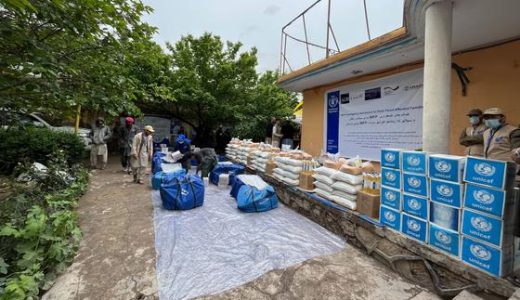
Speaking during the UN General Assembly High-Level Week, Alakbarov described a recovery effort still constrained by major humanitarian and practical obstacles. UN agencies and partner organizations remain engaged in Gaza, responding to urgent needs while trying to restore basic systems that are essential for any longer-term recovery.
Food, nutrition support, healthcare, temporary shelter, sanitation and water services continue to require sustained attention. At the same time, recovery depends on clearing debris, repairing infrastructure and helping vulnerable families regain some ability to support themselves.
Water and sanitation remain central concerns
Alakbarov said that even after progress in the delivery of vital supplies, water and sanitation problems have remained unresolved. Reliable access to safe water is a basic requirement for public health, household life and the operation of medical facilities, yet many people still lack it in adequate amounts.
“One year after the ceasefire, while progress was made – on bringing such essential elements like food items, and nutrition – we still have not resolved a very cyclical matter related to water and sanitation, people don’t have access to clean water in sufficient quantities.”
The challenge is not limited to distributing immediate relief. Damaged or inadequate water networks, sanitation facilities and other public infrastructure can prolong hardship even when food and other emergency items reach communities. Rebuilding these services is therefore closely tied to efforts to improve health, housing and living conditions.
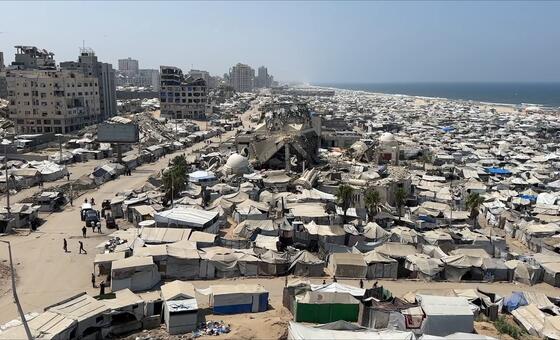
Restrictions affecting humanitarian access and the entry of materials needed for reconstruction continue to complicate the work. Those limitations can slow efforts to repair essential systems, remove rubble and provide durable shelter for families whose homes have been damaged or destroyed.
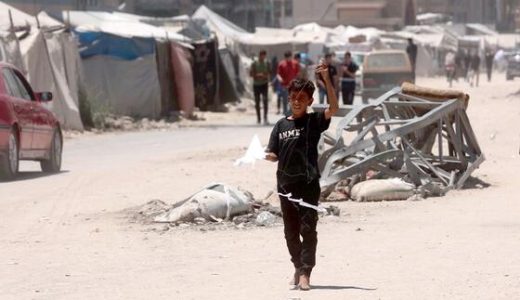
A desire to move beyond tents and emergency assistance
For many Gazans, the aim is increasingly to recover a sense of normal life rather than remain dependent on temporary arrangements. That includes safer housing, the possibility of earning an income, the reopening of educational opportunities and a meaningful role in rebuilding communities.
“Gazans are tired, they want back to normal life, they are asking to not live another winter in tents. They need better housing; they would like to work.
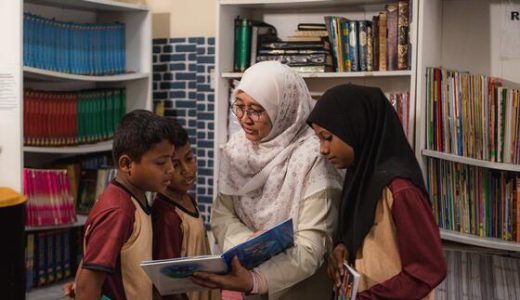
“They are asking for their children to be able to go back to school. And they would like to actively contribute to the recovery of their land and to rebuilding Gaza.”
Education, livelihoods and housing are interconnected parts of recovery. Children need the opportunity to return to learning, while adults need ways to rebuild homes and support their families. Restoring medical services and water infrastructure also remains a priority, alongside support for people facing the greatest hardship.
UNRWA and other UN agencies continue operating on the ground despite the restrictions described by Alakbarov. Their work includes delivering assistance and maintaining a range of services for Palestinian communities. Grants are also being provided to help families re-establish livelihoods.
West Bank Pressures Add to Wider Humanitarian Concerns
Alakbarov also pointed to worsening strains in the occupied West Bank. He said Palestinian communities there face increasing tensions linked to settler violence, economic pressure and restrictions that affect daily life.
These developments broaden the humanitarian and political concerns confronting the region. The UN has continued to call for civilian protection and respect for international law, while emphasizing that immediate assistance alone cannot resolve the deeper challenges facing Palestinians and Israelis.
In Gaza, reconstruction is inseparable from the ability to secure materials, repair public services and allow families to participate in economic life. In the West Bank, escalating pressure on communities can further undermine stability and prospects for trust. Together, these realities make a durable political process more urgent.
Political Progress Seen as Essential to Lasting Recovery
The Acting Special Coordinator reiterated international backing for a two-State solution in which Israel and Palestine live alongside one another in peace and security. He said renewed work is required to restore confidence, reinforce Palestinian institutions and create conditions for a credible political path.
Humanitarian relief can ease suffering and help people survive immediate crises, but it does not by itself settle the issues driving the conflict. Recovery efforts in Gaza need to be accompanied by political progress capable of addressing those underlying questions.
For families across Gaza, the practical meaning of recovery is clear: clean water, functioning health services, secure housing, schools for children and the ability to work. The continuing UN effort is focused on those urgent needs while pressing for the access, reconstruction capacity and political conditions needed to make recovery sustainable.
Related Reading
Frequently Asked Questions
What is Palestinians yearn for a return to normal?
Palestinians yearn for a return to normal is the main topic of this guide. The article explains the context, practical details, and next steps readers should understand.
Why does Palestinians yearn for a return to normal matter?
Palestinians yearn for a return to normal matters because readers are looking for a useful answer, not just a short summary. Good content should match search intent and help them decide what to do next.