A Film’s Return to Xochimilco Put Community Voices at the Centre
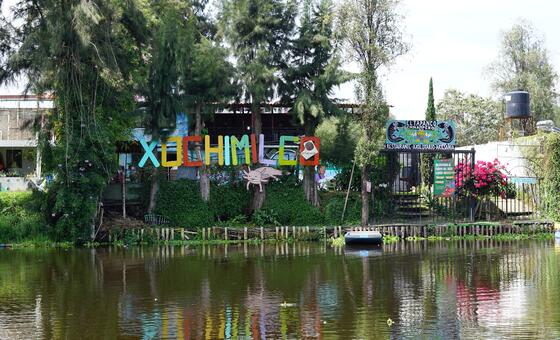
Provpnmatrix.com – A documentary inspired by research from the United Nations University travelled from Mexico City to major international audiences, including the COP30 climate conference and film festivals in Europe. Yet its most meaningful screening took place much closer to home: beside the canals of Xochimilco, the place and community that shaped the film.
The return screening offered more than a local premiere. It brought participants face to face with a story that had taken their experiences beyond their neighbourhood and into discussions about climate, culture and urban change. For people whose lives are tied to Xochimilco’s waterways, the event created space to see their concerns and knowledge represented on screen.
“He felt heard.”
That response captures the importance of a process in which research does not remain limited to reports, meetings or academic audiences. By turning United Nations University findings into a documentary, the project used film to make complex issues more accessible while retaining the human experiences behind them.
From Research to a Shared Story
Xochimilco is widely known for its network of canals and its long agricultural traditions, including chinampas, the cultivated plots often described as floating gardens. The area forms an important part of Mexico City’s cultural and environmental landscape. At the same time, its residents and ecosystems face pressures that can include urban expansion, water challenges and the broader effects of climate change.
Research can identify patterns, document risks and highlight possible responses. Film can add another dimension by showing the people who live with those realities every day. Images, voices and local settings can help audiences understand that climate-related challenges are not abstract subjects. They are connected to work, family life, heritage and the future of particular places.
The documentary’s journey illustrates how this form of storytelling can link local experience with international debate. A screening at COP30 placed the story within a global climate conversation, where governments, institutions and civil society groups gather to discuss action on a changing climate. Festival screenings across Europe extended the film’s reach to audiences who may never have visited the canals of southern Mexico City.
But global recognition does not replace local accountability. Returning the film to Xochimilco acknowledged the people whose perspectives helped bring the project to life. It also allowed the community to respond to how it had been portrayed and to share the experience with neighbours, relatives and others connected to the area.
Why Local Screenings Matter
Community screenings can be especially significant when a film is based on research. Participants may contribute interviews, memories, observations or personal accounts, yet they are not always given an opportunity to see the final work. Bringing the documentary back to Xochimilco helped close that distance between research production and public presentation.
It also reinforced a basic principle of meaningful engagement: people affected by environmental change should not be treated only as subjects of study. Their knowledge, priorities and interpretations are important to understanding both the problem and the possible paths forward.
For viewers in Xochimilco, the film could serve as a prompt for conversation about the area’s future and the value of protecting its living heritage. For audiences elsewhere, it offered a more grounded view of what climate and environmental pressures can mean in a specific community. The same story can therefore work at several levels, connecting local reflection with wider public awareness.
The documentary format is well suited to this role because it can carry detail that is difficult to convey through data alone. A report may explain a trend or outline a risk. A film can show the landscape in which that trend is unfolding and introduce the people who experience it directly. Neither form replaces the other; together, they can make research more understandable and more relevant.
A Journey That Came Full Circle
The film’s route through COP30 and European festivals demonstrated that stories rooted in one community can resonate far beyond it. Its return to the Mexico City canals, however, gave the project a different kind of significance. The screening was not simply the final stop on an international circuit. It was a moment of recognition for the people and place at the centre of the story.
In Xochimilco, the documentary became part of an ongoing conversation rather than a finished product viewed only by distant audiences. The reaction reflected in the words “He felt heard” points to what can happen when research is translated into a form that communities can claim as their own.
As climate discussions continue to seek ways of connecting global commitments with everyday realities, projects like this show the value of returning stories to their origins. International platforms may amplify a message, but listening to the people who live that message remains essential.
Related Reading
Frequently Asked Questions
What is He felt heard?
He felt heard is the main topic of this guide. The article explains the context, practical details, and next steps readers should understand.
Why does He felt heard matter?
He felt heard matters because readers are looking for a useful answer, not just a short summary. Good content should match search intent and help them decide what to do next.