Sudanese Women Lead Relief Efforts Amid War and Displacement
Provpnmatrix.com – Women first to suffer under siege are also among the first to organize help for their communities in Sudan. For journalist and activist Tahani Al-Numeiri, the explosions heard in Khartoum on 15 April 2023 initially seemed like a wedding celebration. They were instead the beginning of fighting between the Rapid Support Forces (RSF) and the Sudanese Armed Forces (SAF).
Before the conflict, Ms. Al-Numeiri had never expected to experience war so directly. What had once seemed distant became the reality of daily life for her family and millions of other Sudanese people.
“I never imagined my life would turn out just like in the movie,” she said.
Surviving siege conditions in Khartoum
As Khartoum became a battleground, Ms. Al-Numeiri and her family were unable to leave. Communications and financial services stopped, food became scarce and fuel disappeared. The family survived on boiled wheat and later burned furniture to keep warm.
Unsafe water, hunger and the lack of healthcare took a severe toll on her health. She became critically ill, with a high fever and serious symptoms that left her unable to see the people around her.
“My body was swollen, my skin was peeling, scabs were coming off. I had a severe fever, and there was blood in my eyes,” she said.
Government forces retook Khartoum in March 2025. During her recovery, Ms. Al-Numeiri began helping neighbours who had lived through similar hardship. Her community work started at a communal kitchen, where she had gone to collect two spoonfuls of lentils for her family.
After the kitchen manager learned she was a journalist, Ms. Al-Numeiri was encouraged to document what families were experiencing. She later volunteered at the kitchen and shared videos describing the consequences of war for women and children, helping bring wider attention to urgent needs.
Women’s groups respond in El Fasher
Women first to suffer under armed conflict also face particular risks in El Fasher, a city in North Darfur that came under RSF siege in October 2025. Amna Mohamed, who leads a women-led organization supported by UN Women, stayed in the city to provide meals and financial assistance to women.
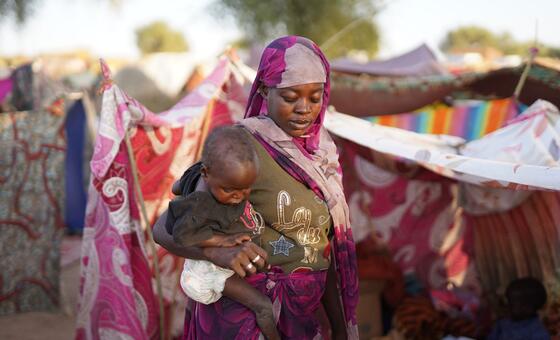
Many residents could not leave. Some were caring for older relatives, people with disabilities or other dependants, while others could not afford transport, including the cost of hiring a donkey. Those remaining have endured shelling, extreme price increases, food shortages and limited access to healthcare.
“They may beat or rape you, and sometimes they loot your belongings,” Ms. Mohamed said, describing threats faced by women during the conflict.
Women-led organizations often have close relationships with those seeking assistance and can identify immediate needs quickly. However, Ms. Mohamed said these groups are not always given the funding required to continue their work.
“Our relationship with women is direct and close, and as women-led organizations, we are best positioned to serve them; we understand their needs,” she explained.
Returning home after displacement
Women first to suffer under siege now face a new set of pressures as thousands return to Khartoum after displacement inside Sudan and in neighbouring countries. Returning home does not necessarily bring security or stability.
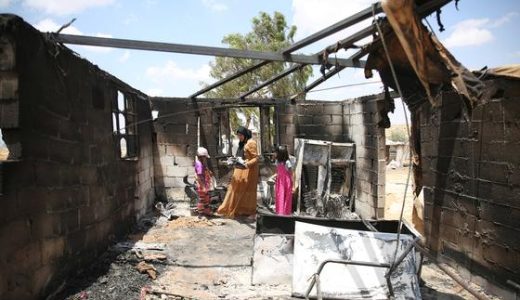
Many women are coping with trauma caused by violence, separation and years away from home. Some return to houses that have been looted, with doors, windows and essential belongings removed. Rebuilding a home, finding income and accessing support remain major challenges.
Frequently asked questions
Why are women especially affected by Sudan’s conflict? Women and girls face displacement, hunger, reduced access to healthcare and heightened risks of violence. Many also carry responsibility for children, older relatives and other family members.
How are Sudanese women helping their communities? Women are running communal kitchens, distributing food and financial support, documenting local conditions and connecting families with assistance.
What challenges do women-led groups face? Local women-led organizations may understand community needs closely, but they can struggle to secure enough funding and resources to sustain their humanitarian work.