Gaza: Life-saving medicines blocked as killing continues, disease gains ground
Gaza – The ongoing humanitarian crisis in Gaza has worsened due to persistent hostilities, widespread infestations of pests, and the growing spread of infectious diseases, as highlighted by United Nations agencies in a recent report. The enclave, already battered by years of conflict, now faces a critical challenge in maintaining basic health services amid escalating obstacles to the flow of essential medical supplies.
The Escalating Health Crisis
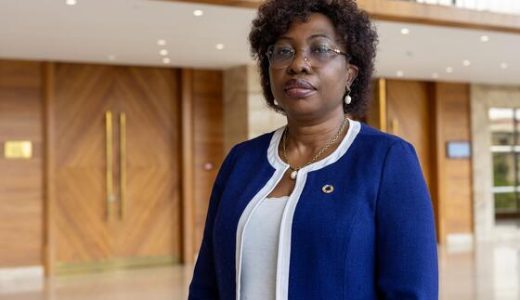
Dr. Renee Van de Weerdt, the World Health Organization’s representative in the Occupied Palestinian Territory, returned from a visit to the war-torn region and described the situation in Geneva as “unbelievable.” Her account paints a grim picture of a population struggling to survive under relentless bombardment and deteriorating living conditions. “The second time I entered Gaza, I was struck by how the situation had not improved, despite initial hopes,” she remarked.
Van de Weerdt emphasized that since the October 2025 ceasefire between Israel and Hamas, the conflict has remained a constant threat, resulting in the deaths of at least 880 individuals and injuries to over 2,600 others. While the intensity of direct combat may have lessened, she noted that “the violence is far from over.” Daily gunfire and proximity to explosive attacks have created an environment where even the most basic medical care is difficult to access.
Blocked Supplies and Essential Equipment
Van de Weerdt outlined the severe consequences of supply blockages, which have crippled Gaza’s ability to respond to health emergencies. She cited a troubling statistic: 22 attacks on health facilities have been recorded in the region this year alone. According to her, only half of Gaza’s hospitals are operating at a minimal capacity, with none fully functional. “This is a crisis that demands immediate attention,” she said, stressing the urgent need for medical infrastructure to be repaired and maintained.
“The lack of vital supplies is having a devastating impact on our ability to provide care,” she explained. “We are dealing with shortages of everything from laboratory reagents to oxygen concentrators, and even orthopedic tools—items that are not luxuries but necessities for saving lives.” Van de Weerdt pointed out that these critical resources are often delayed at border checkpoints, where Israeli authorities impose restrictions on their movement. She criticized the system for prioritizing military logistics over civilian health needs.
Dual-Use Restrictions and Their Impact
One of the most contentious issues Van de Weerdt raised is the classification of medical items as “dual-use,” a designation that allows Israeli regulators to block their entry into Gaza. She argued that this classification is misapplied to internationally recognized lists of essential medicines, leaving patients without access to life-saving treatments. “Prosthetic limbs, for instance, are labeled as dual-use, but they are crucial for amputees who need mobility to recover,” she stated.
With approximately 5,000 people in Gaza relying on prosthetics, the delay in obtaining these devices has forced many to wait for evacuation opportunities. Van de Weerdt noted that corrective surgeries, necessary for proper limb fitting, cannot occur within the region, leaving patients dependent on leaving the enclave for treatment. “This creates a backlog of patients requiring specialized care, and they must wait for a chance to cross borders,” she added, underscoring the dire consequences of such restrictions.
Medical Evacuations as a Lifeline
Despite the challenges, the World Health Organization has played a pivotal role in facilitating medical evacuations for thousands of patients. Van de Weerdt highlighted that the organization has coordinated transfers to over 30 countries, providing temporary relief for those in need. However, she expressed concern about the logistical difficulties involved. “The Rafah crossing has become a crucial route for patients to reach Egypt, but the Kerem Shalom crossing, used only once a week, requires a complex and time-consuming process to access Jordan,” she explained.
“Many families are unable to evacuate all their members, and the conditions for return are not always stable,” Van de Weerdt said. This limitation, she warned, risks leaving vulnerable populations without adequate medical care for extended periods. “We continue to advocate for more flexible evacuation policies, but the reality is that thousands of people are waiting for a chance to receive the treatment they need,” she concluded.
UNRWA’s Role in Gaza’s Health System
The United Nations Relief and Works Agency for Palestine Refugees (UNRWA) remains a vital component of Gaza’s healthcare infrastructure, yet its operations have been increasingly disrupted by Israeli parliamentary actions. Dr. Akihiro Seita, UNRWA’s Director of Health, confirmed that the agency provided 4.5 million medical consultations in Gaza last year, accounting for roughly 40% of the total consultations across the region. “This reflects the scale of our responsibility to the people of Gaza,” Seita said.
Seita lamented that recent legislation targeting UNRWA has severely limited its ability to deliver medicines and supplies. “The agency has lost two health centers in East Jerusalem this year, further straining its capacity to support communities in need,” he added. Van de Weerdt echoed this sentiment, stating, “Nobody can replace what UNRWA is doing in Gaza. Its work is indispensable to the health system’s survival.”
Stagnation in Health Services and Future Concerns
Van de Weerdt warned that the absence of key medical equipment and the ongoing delays in supply chains are contributing to the spread of deadly diseases. “Without laboratories and reagents, we cannot diagnose hantavirus or Ebola virus, which are now emerging threats in the region,” she said. “This is not just a local issue—it has global implications if outbreaks are not detected early.”
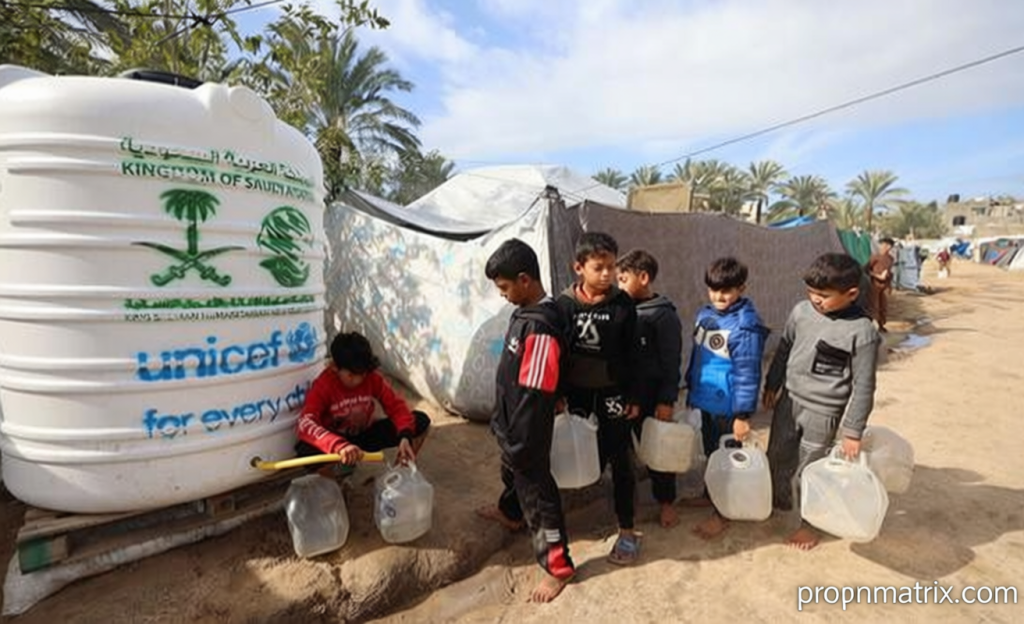
“The living conditions in Gaza are so dire that the risk of disease outbreaks is multiplied,” she added. “Overcrowded shelters, lack of clean water, and the presence of rodents create a perfect environment for pathogens to thrive. These challenges mean that the medical system is under immense pressure, and any delay in resources can lead to preventable deaths.”
Van de Weerdt also called for greater international support, arguing that the situation in Gaza demands a coordinated effort to restore health services. “We need to ensure that essential medicines and equipment flow without interruption, regardless of their classification,” she said. “Otherwise, the health of the population will continue to decline, and the crisis will worsen.”
As the situation in Gaza persists, the struggle to maintain a functional healthcare system becomes more critical. With each passing day, the risks to civilians increase, and the need for urgent intervention grows stronger. The combined efforts of UN agencies and the international community will be key to mitigating the ongoing humanitarian disaster and preventing further loss of life.