Escalating Food Crises Threaten Millions in 13 Global Regions
Hunger Hotspots Report Highlights Rising Risks for Vulnerable Populations
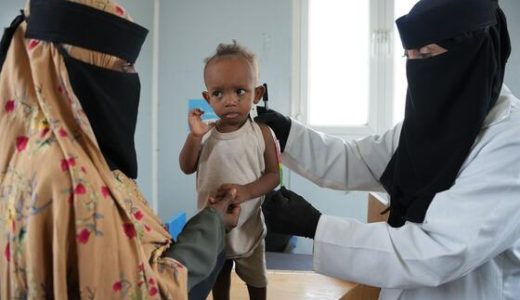
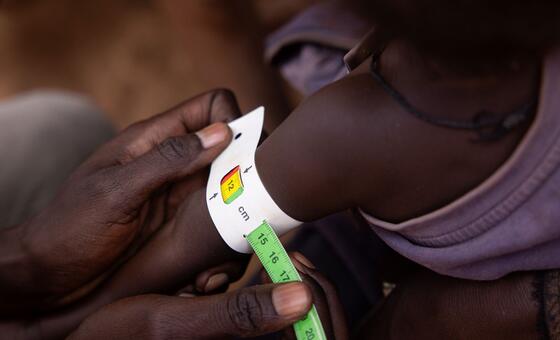
Worsening hunger could push millions closer – A new report issued by the United Nations Food and Agriculture Organization (FAO) and the World Food Programme (WFP) reveals that 13 countries and territories are experiencing heightened food insecurity, with the potential for millions to be pushed closer to famine by the end of 2026. The findings, released on Wednesday, underscore how ongoing conflicts, economic instability, and dwindling aid resources are intensifying existing challenges in these regions. The report serves as a critical warning, emphasizing the urgent need for action to prevent further deterioration of conditions.
Among the 13 identified areas, Sudan, South Sudan, Yemen, and Palestine remain the most dire, with crisis-level hunger persisting in significant portions of these regions. However, Nigeria and Somalia have also joined the ranks of the highest-risk countries, driven by alarming forecasts of severe food shortages and prolonged drought. The combined impact of these factors is expected to stretch across June to November 2026, marking a pivotal period for intervention.
Conflict is the primary driver of food insecurity in 12 of the 13 regions, creating a cycle of disruption that undermines food production and access. In Sudan, for example, ongoing warfare in Darfur and South Kordofan has left nearly 20 million people facing crisis-level hunger, with famine risks projected to persist into early 2027. Yemen, meanwhile, continues to grapple with one of the world’s most severe hunger crises, where over 18 million individuals are anticipated to experience extreme food shortages due to years of war and blockade.
“Conflict, shocks, and disasters are forcing families to make impossible decisions about who gets to eat and who goes to bed hungry,” said Carl Skau, Acting Executive Director of the World Food Programme (WFP). His remarks highlight the human toll of these crises, as communities are increasingly forced to prioritize survival over stability, with limited resources to support both immediate and long-term recovery.
Compounding these issues, global humanitarian funding has seen a dramatic decline, with support for food assistance, emergency farming initiatives, and nutrition programs dropping by an estimated 59% between 2022 and 2025. This represents the lowest level of funding for these critical programs in nearly a decade, leaving aid organizations to make difficult choices about how to allocate resources effectively. The report notes that such a reduction in support is not only a threat to current efforts but also a risk to future resilience in affected areas.
Across the 13 hotspots, approximately 266 million people are already confronting severe food insecurity. This widespread crisis is exacerbated by the interplay of natural disasters, economic shocks, and political instability. For instance, in Palestine, the situation in Gaza remains precarious despite some progress following the October 2025 ceasefire. Over 1.6 million individuals are still in need of immediate food assistance, reflecting the long-term consequences of conflict and displacement.
“The challenge is whether we act early enough and at the necessary scale,” stated Beth Bechdol, Deputy Director-General of the FAO. Her statement underscores the urgency of addressing these issues before they escalate beyond control, as delayed responses often lead to irreversible damage to food systems and livelihoods.
Emergency agricultural support is highlighted as a key solution to mitigate the crisis. According to the FAO, investing in immediate farming programs can help families maintain food production and reduce dependence on aid. However, the report warns that without adequate funding, these efforts may be insufficient to meet the growing demand. Sudan, for example, is currently the epicenter of the world’s worst hunger crisis, with food insecurity deepening in areas already suffering from war and economic collapse.
Climate risks are also escalating, with the potential for an El Niño event to trigger droughts and floods in regions already vulnerable to environmental stress. Such climate extremes could further strain food supplies, particularly in Somalia, where famine risks have emerged in the Burhakaba District due to a combination of drought, conflict, and poor harvests. Similarly, Nigeria’s inclusion in the highest-risk category stems from forecasts of catastrophic food shortages in Borno State, a region where violence and displacement have already disrupted farming activities.
“Economic shocks are compounding food insecurity, and climate change and variability are also intensifying the situation,” explained Jean-Martin Bauer, Director of the WFP’s Food Security and Nutrition Analysis Service. His warning emphasizes that the interplay of these factors is creating a perfect storm, where any one crisis can amplify the effects of another, leading to widespread suffering.
Additional threats include the ongoing conflict in the Middle East and the latest Ebola outbreak in the Democratic Republic of the Congo, which could further disrupt supply chains and humanitarian operations. These new crises have the potential to compound existing challenges, particularly in areas where food systems are already fragile. The report calls for a coordinated global response to address these intersecting threats before they spiral out of control.
FAO and WFP officials have urged governments and donors to increase their financial commitments immediately. “As of June 2026, only about a third of the hyper-prioritized requirements for food security funding and activities have been met globally,” said Rein Paulsen, Director of the FAO. This shortfall is forcing difficult decisions, such as limiting the scope of interventions or delaying critical aid deliveries.
The agencies stress that early action is essential to prevent deeper crises. By investing in emergency food programs and supporting local agricultural efforts, governments can help stabilize communities and reduce the long-term burden on aid systems. However, without stronger political will and reliable funding, the report predicts that hunger will continue to deepen, affecting some of the world’s most vulnerable populations.
As the months progress, the situation in these 13 regions will demand sustained attention and robust collaboration. The FAO and WFP emphasize that every resource allocated now can prevent future suffering, ensuring that families have the means to feed themselves and rebuild their lives. The report serves as both a snapshot of the current crisis and a call to action for immediate and scalable solutions to avert famine in the months ahead.