UN urges caution as Sudan conflict deepens insecurity in Central African Republic
Provpnmatrix.com – The Security Council has been urged to avoid reducing the United Nations peacekeeping presence in the Central African Republic too quickly, as renewed violence in the country’s east is being intensified by the war across the border in Sudan.
Valentine Rugwabiza, the UN’s top official in the Central African Republic, warned that gains in state authority, elections and disarmament remain fragile. Her appeal comes as the Council prepares to decide before mid-November whether to extend the mandate of the UN Multidimensional Integrated Stabilization Mission in the Central African Republic, known as MINUSCA.
Although authorities in Bangui have expanded their reach in parts of the country and nearly 2,000 former fighters have entered disarmament and demobilisation programmes, armed groups continue to threaten civilians in several regions. Border areas near Sudan and Chad are especially exposed, while insecurity also persists around mining areas and pastoral routes where local tensions can flare.
Border attack underscores rapid-response role
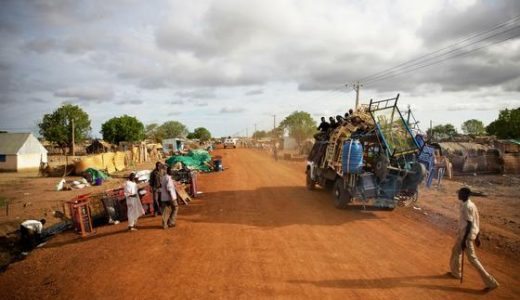
The dangers facing eastern communities were highlighted by a 30 June assault on Am-Dafock, a town near the Sudanese frontier. Several armed groups took part in the attack, which killed civilians and national security personnel, forced 17,000 people from their homes and injured six UN peacekeepers.
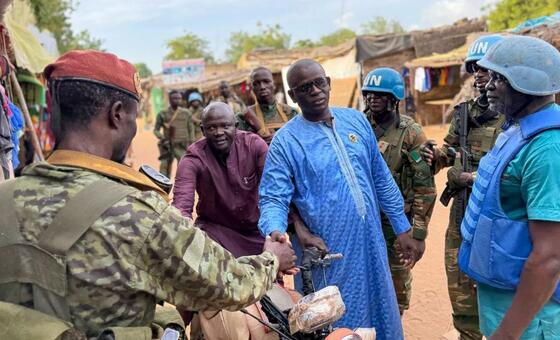
Rugwabiza said the consequences could have been far worse without MINUSCA’s swift intervention. The mission helped restore government authority after armed fighters had controlled the area for five days before retreating into Sudan. She also pointed to the importance of peacekeepers in preventing larger losses during attacks near the borders with Chad and Sudan.
“In this regard, I plead with the council, as it prepares to renew MINUSCA’s mandate, to maintain MINUSCA with adequate force levels and capabilities during the critical consolidation phase,” she said.
The warning reflects a difficult transition for the country. MINUSCA has already shut several bases in locations considered more stable and handed some duties to Central African authorities. Early security reviews in areas affected by those closures have not identified major deterioration. Yet the strategy depends heavily on long-distance patrols and stronger national forces being able to respond when threats emerge.
Violence continues despite political progress
Since July 2025, 1,907 fighters have been disarmed and demobilised. The next stage—helping former combatants build livelihoods—has proved harder, and some individuals who entered the process can no longer be located. Effective reintegration is central to preventing fighters from returning to armed activity when economic opportunities remain limited.
The country has also continued its electoral process. By 1 October, municipal councils had been installed in 127 of the country’s 177 municipalities. Voting in the remaining areas was postponed because of financial and logistical constraints, with those polls scheduled for 25 October.
These institutional steps are significant in a country whose public administration has long struggled to extend beyond major towns. But elections and disarmament alone do not remove the risks faced by communities in remote regions, where armed actors can exploit weak access to services, insecurity along transport corridors and tensions over land or natural resources.
Threats in the northeast and southeast
The northeast and southeast remain particularly troubling. In the southeast, 26 serious incidents between June and September were attributed to suspected members of the Lord’s Resistance Army, or LRA, an armed group with origins in Uganda that has operated across parts of central Africa for years.
Those incidents included alleged rape, sexual slavery and the abduction of 68 civilians. Roughly 40 of those abducted were children. Such attacks can leave communities isolated, disrupt farming and trade, and make it more difficult for families to return after displacement.
Local residents also face threats from the Azandé Ani Kpi Gbé militia, known as AAKG. There was one positive development on Monday, when three people held hostage since December 2025 were released after months of mediation involving local leaders. The group included the sub-prefect of Bambouti.
Even so, the broader security environment remains shaped by events outside the country’s borders. The conflict in Sudan has complicated efforts to gradually reduce MINUSCA’s troop deployment. Armed movement across porous frontiers can quickly destabilise communities that have only limited protection and few state services.
Humanitarian pressures add to the challenge
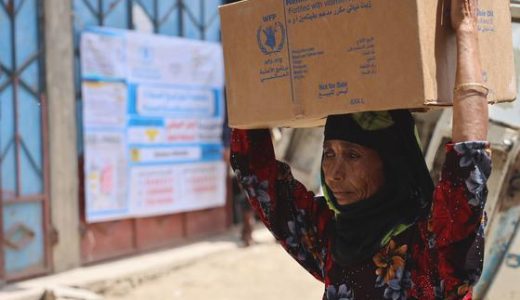
Security concerns are compounded by a serious humanitarian situation. Nearly two million people in the Central African Republic—31 per cent of the population—experienced acute food insecurity between April and August. At the start of October, the UN humanitarian response plan was funded at only 46.6 per cent.
Food insecurity, displacement and violence can reinforce one another. When people flee attacks, they may lose access to crops, markets and income. At the same time, limited humanitarian funding restricts the ability to reach communities already facing the combined effects of insecurity and poverty.
MINUSCA was established in 2014, after the predominantly Muslim Séléka coalition seized power the previous year and removed President François Bozizé. The takeover triggered widespread violence, looting, civilian killings and sexual abuse. Since then, Séléka has dissolved, the country has held two presidential elections, and a 2019 peace agreement brought 14 armed groups into a political process.
More than a decade later, the Central African Republic has recovered parts of its territory and rebuilt some institutions, but large areas remain unstable. MINUSCA currently has more than 12,000 peacekeepers, providing security support while national institutions continue to develop.
Security Council members differ over how quickly the mission should shrink. The United States has called for deeper troop reductions, while other members have cautioned that a rapid exit could undermine hard-won gains. The UN Secretary-General has recommended renewing the mission for another year while retaining the military capacity necessary for fast intervention.
The coming mandate decision will therefore carry consequences beyond the size of the peacekeeping force. It will shape whether MINUSCA can continue responding to border-related violence, supporting national authorities during the transition and helping protect civilians in areas where the recovery remains incomplete.
Related Reading
Frequently Asked Questions
What is As Sudan war spills into Central?
As Sudan war spills into Central is the main topic of this guide. The article explains the context, practical details, and next steps readers should understand.
Why does As Sudan war spills into Central matter?
As Sudan war spills into Central matters because readers are looking for a useful answer, not just a short summary. Good content should match search intent and help them decide what to do next.