Taiz Faces Deepening Crisis as Fighting Cuts Off Aid and Supplies
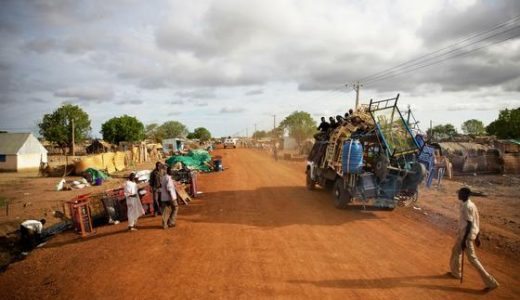
Provpnmatrix.com – Renewed conflict in Yemen has driven more than 250,000 people from their homes, placing enormous pressure on communities already struggling with hunger, weak public services and disease outbreaks. The southwest city of Taiz and the surrounding governorate have emerged as an urgent concern, with routes into the area largely cut off and humanitarian access severely restricted.
The latest escalation follows clashes that resumed last month between Houthi forces, also known as Ansar Allah, and the internationally recognized Government based in Aden. The fighting ended a period of relative calm that had followed the 2022 truce, while pushing civilians once again into displacement and uncertainty.
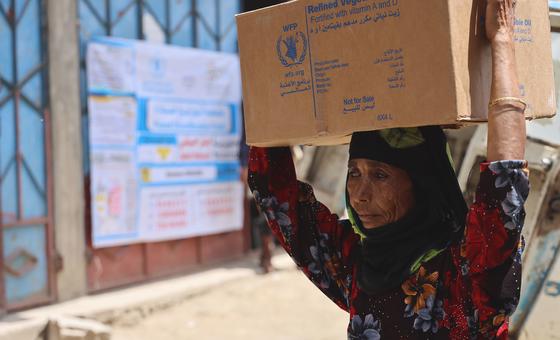
Taiz is carrying a particularly heavy burden because roughly half of the people displaced in the recent violence have sought safety there. Many families have been uprooted more than once and are reaching crowded camps or host communities with little food, scarce clean water and few belongings.
“Taiz is certainly the number one concern at the moment in an ocean of concerns,” said Akhil Iyer, the United Nations Children’s Fund Representative in Yemen.
“Many people have fled repeatedly. They are arriving in already overcrowded camps or communities with little or no food. Clean water is almost non-existent when they arrive. They’ve literally arrived with just the clothes on their backs, and they have almost nothing left to sustain themselves.”
Supply route closure raises alarm
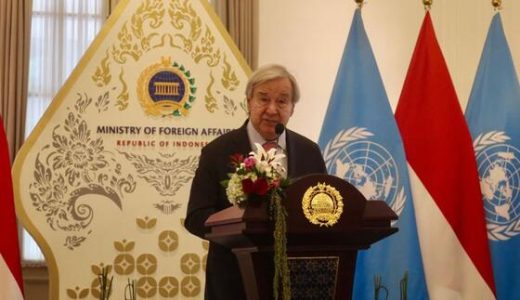
UN human rights chief Volker Türk warned that civilians in Taiz face grave risks after the Houthis closed the sole supply route connecting the city to Aden. The closure has prevented the movement of humanitarian assistance and essential goods, adding to the pressure on people trapped by the conflict.
“The Houthis’ closure of the only supply route linking Taiz to Aden is placing civilians at grave risk, blocking humanitarian aid and cutting off essential supplies,” Türk said.
He called on Houthi fighters, who he said had surrounded Taiz City, to allow aid deliveries without delay. At least 32 civilians have been confirmed killed across Taiz governorate, including 14 children and nine women. As combat moves nearer to densely populated neighbourhoods, the danger of further civilian deaths and injuries is increasing.
For families sheltering in the city, access restrictions are more than a logistical problem. They affect food markets, water systems, health facilities and the ability of aid organizations to reach people who have fled with almost nothing. In a setting where households may already have exhausted savings and supplies through years of conflict, even short interruptions can quickly become life-threatening.
Food, water and sanitation under strain
Wheat flour stocks in affected parts of Taiz are close to running out. The governorate was already among Yemen’s most food-insecure areas before the latest fighting: 10 of its 16 districts had been categorized at emergency levels.
Sanitation is also deteriorating. Garbage has begun accumulating, particularly in Taiz city, as sanitation operations stop. Such disruption creates an added threat in a country confronting cholera and measles outbreaks, as well as suspected diphtheria and dengue cases.
Water supplies depend heavily on diesel fuel to operate pumping stations in and around the city. With the Aden-Taiz route blocked and fuel deliveries threatened, residents could face worsening shortages of safe water. Limited water availability affects drinking, hygiene and the ability of health facilities to provide care, while inadequate sanitation can heighten the risk of disease spreading through crowded displacement sites and urban neighbourhoods.
“We are very worried about the water and sanitation situation in Taiz because diesel fuel is essential to run pumping stations in and around the city,” Iyer said.
UNICEF had placed ready-to-use therapeutic food in advance before the violence intensified early last month. Yet those supplies have not been able to reach health facilities because the available routes remain closed. Therapeutic food can be critical for children suffering from severe malnutrition, making the inability to move existing stocks especially concerning.
“We’re calling on all parties to protect children and civilians, safeguard water systems and health facilities, and uphold their obligations under international humanitarian law. That includes allowing humanitarian actors access,” Iyer said.
Hospitals running out of fuel and medicines
The health system in Taiz is under immediate pressure. Twelve hospitals had fuel for only about four days, while oxygen cylinders needed by patients were in daily short supply. Of 127 essential medicines, 115 had stocks expected to last one week or less.
Hospitals cannot function normally without fuel, which supports generators, water supply, refrigeration and critical medical equipment. Oxygen shortages can be particularly dangerous for patients with severe respiratory illness and other conditions requiring urgent treatment. The rapid depletion of medicine stocks also leaves health workers with fewer options as needs grow.
Humanitarian agencies have found it increasingly difficult and dangerous to bring fuel, medicines and other necessities into conflict-affected areas. Protection work continues where access is possible, but teams cannot consistently reach the communities facing the greatest need.
The crisis also affects refugees and asylum-seekers in Yemen. Some 65,000 people, mainly from Somalia and Ethiopia, urgently require support. Their needs add to the broader humanitarian challenge as displaced Yemeni families, long-term residents and newcomers compete for limited services and assistance.
With roads blocked, markets under strain and public infrastructure weakening, the immediate priority is safe and sustained access for humanitarian workers and commercial supplies. Protecting civilians, keeping hospitals operating, restoring sanitation services and ensuring water systems can run are all central to preventing the conflict from producing an even larger emergency in Taiz and beyond.
Related Reading
Frequently Asked Questions
What is Yemen war continues to force families?
Yemen war continues to force families is the main topic of this guide. The article explains the context, practical details, and next steps readers should understand.
Why does Yemen war continues to force families matter?
Yemen war continues to force families matters because readers are looking for a useful answer, not just a short summary. Good content should match search intent and help them decide what to do next.