UN investigators urge halt to fighting as civilian harm mounts in Iran and Yemen
Provpnmatrix.com – UN human rights experts have called for an immediate end to hostilities after recent United States airstrikes in Iran caused civilian deaths and injuries, while renewed violence in Yemen has forced tens of thousands of people from their homes.
The developments underline the growing regional humanitarian impact of the conflict involving the United States, Israel and Iran. In Iran, independent investigators appointed by the UN Human Rights Council warned that attacks affecting homes, schools and family gatherings raise urgent concerns about civilian protection under international law.
“These strikes are yet another devastating reminder of the human cost of the conflict between the United States and Israel and Iran,”
Sara Hossain, who chairs the Independent Fact-Finding Mission on Iran, said civilians have been killed from the earliest days of the US-Israeli attacks that began in February. Among the incidents cited by the mission was an attack on a school in which more than 160 children died.
“Civilians must be protected at all times, and constant care must be taken to spare civilians and civilians objects from the effect of hostilities,”
Hossain said.
Concerns over strikes on civilian locations
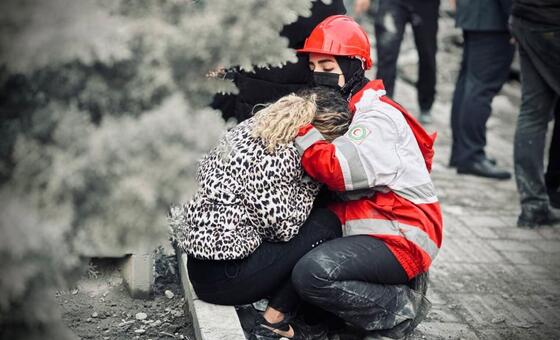
The fact-finding mission said credible information it obtained pointed to two particularly serious incidents. A strike hit a residence on 30 July, while another struck a wedding event on 1 September. Families were killed and injured in both cases, including women and children from marginalised minority communities.
US authorities have maintained that civilians were not the intended targets of their military operations. But Max du Plessis, a member of the mission, said the repeated reports of civilian casualties required close scrutiny of whether sufficient safeguards had been applied.
“Repeated airstrikes causing civilian casualties raise serious questions about whether all necessary measures are being taken to comply with States’ obligations under international law, including to take all precautionary measures to avoid civilian deaths.”
The investigators urged every party involved in the regional conflict to comply fully with international law and stop fighting. They warned that violations could trigger international responsibility, including potential accountability for war crimes.
They also stressed that independent human rights monitors, journalists and investigators need unrestricted access. Such access is central to documenting events, protecting evidence and enabling future accountability processes.
The Human Rights Council created the fact-finding mission in 2022 to examine alleged violations in Iran linked to protest movements. On 23 January 2026, its mandate was extended for a further two years. The mission has again asked UN Member States to use diplomatic channels to reduce tensions and restart meaningful discussions on peace, human rights, justice and equal participation in political and public life.
Mass displacement compounds Yemen’s humanitarian emergency
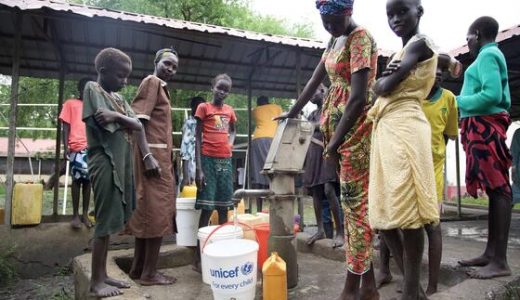
In Yemen, the immediate human cost of escalating fighting is also deepening. At least 80,000 people fled their homes in recent days, with many experiencing displacement for the second or third time, UNHCR said. The country already has millions of people requiring urgent assistance.
“Civilians must be protected. Humanitarian aid must reach those in need.”
The warning came as fighting between Saudi-backed authorities and the Iran-backed Houthi militia intensified. Media accounts have indicated that Houthi fighters seized several Red Sea islands and an important Yemeni port city, expanding their influence near the Bab al-Mandab Strait. The waterway is strategically significant for maritime traffic, and Houthi forces have been attacking Saudi shipping there.
Abdusattor Esoev, IOM’s country director in Yemen, said the situation was worsening rapidly as the agency tracked needs and continued emergency assistance.
“The situation in Yemen is deteriorating quickly,”
he told UN News last Friday.
Humanitarian agencies are continuing to distribute essential assistance despite severe operational difficulties. Aid has included food and shelter for people uprooted by the violence, but available stocks are dangerously limited and financial support remains below the level needed.
Access restrictions threaten relief operations
By 12 September, humanitarian teams had reached thousands of households. Yet insecurity has sharply constrained both aid deliveries and staff movement. Operations have been suspended in several areas along Yemen’s west coast, while major roads have become inaccessible or subject to restrictions.
At least 18,000 households, representing roughly 125,000 people, have been displaced since the beginning of September. For families who have already lost homes, livelihoods or access to local services during earlier phases of the conflict, each new displacement can make recovery still harder.
UN Deputy Spokesperson Farhan Haq said the civilian impact was intensifying. Between 1 September and Monday, the UN human rights office verified 40 civilian casualties: eight people killed and 32 injured. Women and children made up half of those who died and more than half of those wounded.
“The toll on civilians is increasing,”
Haq said.
The appeal from UN agencies is consistent across both crises: parties to the conflict must shield civilians, follow international humanitarian law and permit relief workers to move safely and without obstruction. Without those protections, displaced families face further risks at a time when supplies, funding and safe routes are already in short supply.
Related Reading
Frequently Asked Questions
What is Civilians bear the brunt with deadly?
Civilians bear the brunt with deadly is the main topic of this guide. The article explains the context, practical details, and next steps readers should understand.
Why does Civilians bear the brunt with deadly matter?
Civilians bear the brunt with deadly matters because readers are looking for a useful answer, not just a short summary. Good content should match search intent and help them decide what to do next.