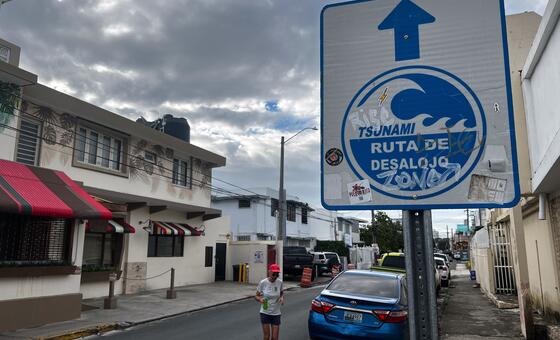
Housing losses from disasters reach $228 billion each year
Provpnmatrix.com – Communities worldwide are confronting an annual housing reconstruction bill of around $228 billion after disasters damage or destroy homes. The scale of those losses is placing renewed attention on the need for safer construction, earlier planning and practical support that helps households act before an emergency becomes a prolonged displacement crisis.
Marking the International Day for Disaster Risk Reduction, UN Secretary-General António Guterres warned that climate-related and other hazards are putting growing pressure on families already facing insecurity. Millions of homes are affected every year, leaving people uprooted and worsening poverty in vulnerable communities.
“As climate and disaster risks multiply, building safer dwellings is the shared responsibility of governments, developers, engineers and communities.”
The financial toll is substantial because housing is often among the most exposed parts of a community. Damage to homes represents 43 per cent of the direct costs caused by cyclones, floods, tsunamis and earthquakes. Beyond the value of a building itself, the loss of a home can interrupt schooling, healthcare, work and access to essential local services.
Prepared households are more able to respond
Strengthening homes is only one part of disaster preparedness. Families also need reliable information, timely alerts and confidence that they can take appropriate steps when danger is approaching. Jeanette Elsworth, a spokesperson for the UN Office for Disaster Risk Reduction, highlighted evidence from the Lloyd’s Register Foundation World Risk Poll 2026 showing a sharp difference between households that are prepared and those that are not.
“Among those people who had received an advance warning during a disaster, only 27 per cent of those who had neither a household disaster plan nor confidence in their ability to protect themselves… were able to act on that warning.”
That compared with 83 per cent of people who had both a household plan and confidence in their ability to respond. The figures underline why an alert by itself may not be enough: people also need clear choices, access to resources and a sense that they can protect themselves and those around them.
“By contrast, 83 per cent of those who had both a plan and confidence in their ability to respond were able to take action.”
While progress over the past 11 years has helped reduce deaths from disasters, the economic damage has not declined at the same pace. This gap points to the importance of placing housing resilience at the centre of risk-reduction efforts, rather than treating it solely as a rebuilding issue after an emergency.
Measures can include choosing safer locations for development, applying resilient building standards, upgrading existing homes and ensuring that households have the tools and knowledge to prepare. Such work involves public authorities, construction professionals, businesses and local communities, since decisions made before a disaster can shape how quickly people recover afterward.
Recovery can last long after the emergency
The International Organization for Migration supported 1.4 million people through disaster risk-reduction programmes in 39 countries during 2025, working with nearly 1,200 communities. It also helped expand early-warning coverage to more than 1.2 million people.
Maria Moita, Director of IOM’s Department of Humanitarian Response and Recovery, stressed that the impact of a disaster does not end when the immediate threat has passed. For displaced families, the next phase can involve finding shelter, restoring income and navigating a long path back to stable living conditions.
“For many people, the end of a disaster is only the beginning of a much longer struggle to return home, restore livelihoods and rebuild their lives.”
Recent emergencies in Nepal, Venezuela and Colombia illustrate how early assessments and recovery planning can influence the support available to affected populations. In Nepal, flooding triggered by a glacier collapse in August affected more than 84,000 people and damaged about 7,500 homes. IOM assessments across 48 displacement locations found 3,650 displaced people, while 28 of those sites remained active.
In Venezuela, IOM assisted 50,600 people after earthquakes in June. Its support included temporary shelter, basic supplies, health services and protection assistance. More than half of the affected households surveyed identified repairs to their homes as a priority, emphasizing the urgency of planning recovery before temporary displacement turns into a longer-term condition.
“The lesson was clear: recovery planning had to begin early, before temporary displacement became prolonged.”
Colombia faced a similar challenge following an earthquake in August that affected nearly 500,000 people and damaged more than 200,000 homes. In Cali, an estimated 20,000 families were displaced. Rebuilding structures remains vital, but the recovery of a community also depends on whether services are operating and whether residents can regain the means to sustain their lives.
“Rebuilding homes alone is not enough, communities also need functioning services and opportunities to rebuild their lives.”
The recurring cost of housing damage shows why disaster resilience must be treated as a continuing investment, not a response reserved for the aftermath. Early-warning systems, locally led preparedness, stronger housing and recovery planning begun from the outset can help reduce disruption and support a more durable return for displaced families.
“We need sustained investment in early warnings, local preparedness, safer housing, and recovery efforts that begin from the outset and build resilience. Disasters may strike suddenly. Displacement can last much longer.”
Related Reading
Frequently Asked Questions
What is Disasters cost 228 billion in housing?
Disasters cost 228 billion in housing is the main topic of this guide. The article explains the context, practical details, and next steps readers should understand.
Why does Disasters cost 228 billion in housing matter?
Disasters cost 228 billion in housing matters because readers are looking for a useful answer, not just a short summary. Good content should match search intent and help them decide what to do next.