Ebola Crisis in DR Congo: WHO Observes Early Signs of Control Amid Ongoing Expansion
Challenges in Eastern Provinces
Provpnmatrix.com – Health professionals from the United Nations and international partners continue their urgent efforts to manage the swiftly growing Ebola epidemic within the Democratic Republic of the Congo. Despite persistent security concerns in the eastern territories where the illness has established itself, containment operations remain active. According to official figures released on July 19, Congolese authorities have documented a total of 2,423 laboratory-confirmed infections, alongside 967 fatalities and 469 patients who have recovered from the disease.
Violent unrest continues to obstruct effective disease monitoring and medical care delivery across the affected regions. The situation demands constant adaptation from response teams working on the ground.
Ituri Remains the Central Hub
Dr. Thierno Baldé, who serves as the World Health Organization’s Incident Manager, provided crucial updates regarding the geographic spread of the illness. He noted that while five provinces have reported cases, Ituri stands as the primary epicentre, responsible for over ninety percent of all infections and eighty percent of mortality figures.
“The outbreak has been reported in five provinces, but the province of Ituri remains the epicentre of the outbreak, accounting for more than 90 per cent of cases and also 80 per cent of deaths,” said Dr. Thierno Baldé.
Beyond Ituri, the remaining affected regions include North Kivu, South Kivu, Haut-Uele, and Tshopo. Each of these eastern provinces faces varying degrees of disruption from rebel militia activities and community displacement.
Virus Characteristics and Response Strategies
Communicating with reporters from Bunia, the capital city of Ituri province, Dr. Baldé confirmed that the Bundibugyo virus variant is progressively reaching new territories within the eastern corridor. This particular strain presents unique challenges due to its lower prevalence compared to other Ebola forms. Notably, no licensed vaccine or specific therapeutic treatment currently exists for this variant.
The virus demonstrates flu-like initial symptoms that can obscure accurate diagnosis. When the disease progresses to its severe stage, patients experience significant hemorrhaging, with a mortality rate approaching forty percent. Historical data from previous outbreaks in Uganda during 2007 and the DRC in 2012 indicate that approximately thirty percent of infected individuals succumbed to the illness.
“Let’s be very clear, this outbreak remains ahead of us and we are still in the phase of catching up,” explained Dr. Baldé.
WHO personnel are customizing their intervention approach according to local requirements across each impacted zone. Priority actions include expanding safe burial practices, strengthening referral networks, and enhancing clinical case management capabilities within zones experiencing the highest transmission rates.
Progress in Kisangani and Beyond
The epidemic, officially declared on May 15, currently holds the distinction of being the most rapidly expanding Ebola outbreak documented in medical history. Dr. Baldé highlighted recent observations from Kisangani in Tshopo province, where WHO has deployed rapid response teams under a coordinated strategy.
“No secondary cases have been detected so far in Kisangani,” he said. “Currently, all five cases are imported from Ituri province. We intend to roll out a similar rapid response plan in…Katwa, Butembo and other emerging areas.”
These encouraging developments in Kisangani suggest that swift intervention can prevent local transmission chains. The agency is simultaneously developing initiatives to strengthen border controls along the Congo River, recognized as a vital transportation corridor requiring immediate implementation of preventive measures.
Community Engagement and Stabilization Indicators
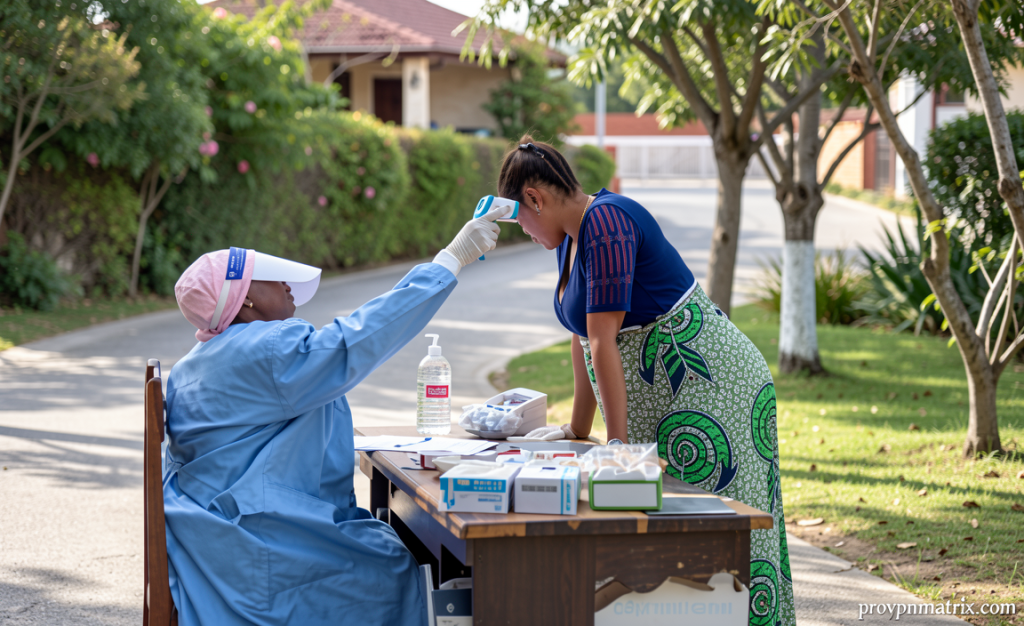
Ongoing community outreach efforts focus on encouraging treatment acceptance and ensuring patients receive proper follow-up care. Dr. Baldé emphasized that comprehensive contact tracing and thorough case investigations form the foundation of containment efforts.
“The main strategy is to implement a very strong, very effective and very timely response to contain the affected areas by identifying, by doing in-depth investigation of the cases, listing and following all of the contacts,” insisted Dr. Baldé.
Despite considerable obstacles, positive indicators have emerged. Mongbwalu, where health officials first identified the outbreak, demonstrates stabilization patterns. Similar trends appear in Goma within North Kivu province, suggesting that intensive response measures are beginning to yield results in these critical locations.