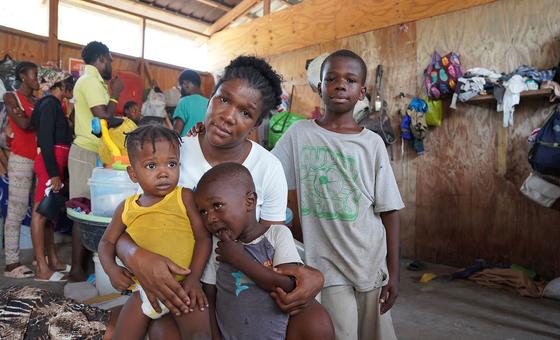
Haiti Faces Deepening Child Malnutrition Emergency as Violence Disrupts Essential Care
Provpnmatrix.com – Haiti – Hundreds of thousands of young children in Haiti could face acute malnutrition over the coming year as armed violence, displacement and interrupted access to food and health services intensify an already severe humanitarian crisis.
New projections indicate that 253,725 children between six and 59 months old may experience acute malnutrition from June 2026 through May 2027. Of that total, 93,873 are expected to develop severe acute malnutrition, a dangerous condition that demands rapid medical and nutritional treatment. A further 159,852 children could suffer moderate acute malnutrition.
The crisis also affects mothers and infants beyond the youngest children. An estimated 25,750 pregnant and breastfeeding women are expected to need nutrition assistance during the same period, highlighting the importance of protecting maternal health as well as treating children already at risk.
Health and humanitarian systems under growing pressure
The assessment was issued by Haiti’s Ministry of Public Health and Population with support from UNICEF, the Food and Agriculture Organization and the World Food Programme, working alongside nutrition partners. Its purpose is to identify the places where nutrition treatment and humanitarian support will be needed most urgently.
Rising malnutrition cases would place further strain on health facilities and aid services that are already operating under difficult conditions. Children with severe acute malnutrition require timely screening, therapeutic foods and follow-up care. When families cannot safely reach clinics or community services, manageable cases can worsen quickly.
Violence has made those challenges more acute. By mid-May 2026, about 1.47 million people in Haiti had been displaced within the country. Families forced to leave their homes can lose access to regular meals, medical care, clean water and the support networks that help them care for young children.
“Behind these figures are children whose lives can change when they receive the right care at the right time.”
UNICEF Representative to Haiti Geeta Narayan stressed that the figures represent individual children whose prospects can improve with prompt treatment and prevention efforts.
“Now we must use that evidence to reach children earlier, prevent malnutrition and make sure no child is left without the support they need,”
Critical months ahead for dozens of municipalities
Conditions are expected to become particularly severe from December 2026 to May 2027. During that period, 29 of Haiti’s 140 municipalities are projected to reach IPC Acute Malnutrition Phase 3, described as “serious.” The IPC scale is used to classify the gravity of acute malnutrition and guide the urgency of response measures.
Cite Soleil and Cabaret are expected to reach Phase 4, categorized as “critical.” This is the second-highest level on the IPC acute malnutrition scale and signals a need for intensified action to prevent more children from becoming severely ill.
The outlook shows why prevention is as important as emergency treatment. Community screening can identify children before their condition becomes life-threatening, while reliable supplies of therapeutic food allow health workers to respond without delay. Support for pregnant and breastfeeding women can also help protect child nutrition from the earliest stages of life.
Food production and safe access remain central concerns
Pierre Vauthier, FAO Representative in Haiti, emphasized that treating malnutrition alone will not resolve the wider problem. Families also need better access to varied, nutritious foods, along with support that protects agricultural livelihoods and strengthens local food production.
For households facing repeated disruptions, preserving the ability to grow, buy or obtain food can reduce vulnerability to future shocks. Agricultural assistance and livelihood protection can therefore complement medical nutrition services, particularly for communities coping with displacement and insecurity.
Lauren Landis, WFP Representative to Haiti and Country Director, called for stronger investment across several connected areas: prevention programmes, nutrition care, healthcare, school meals and assistance for vulnerable households. She warned that worsening malnutrition could have serious social and economic effects, extending beyond the immediate health risks faced by children.
UNICEF, FAO and WFP are urging the Haitian government, donors, civil society groups and international organizations to move quickly. Their priorities include expanding community-based screening and treatment, maintaining therapeutic food stocks, assisting pregnant and breastfeeding women, improving safe water and sanitation, and safeguarding household food production and livelihoods.
They are also calling for secure humanitarian access and flexible funding. These conditions are essential for families trying to reach care and for aid organizations preparing for a larger number of people in need.
With violence continuing to affect food security, displacement and access to basic services, early action will be crucial. Reaching children before acute malnutrition becomes severe can save lives, reduce preventable deaths and give families a better chance to withstand the months ahead.
Related Reading
Frequently Asked Questions
What is Haiti?
Haiti is the main topic of this guide. The article explains the context, practical details, and next steps readers should understand.
Why does Haiti matter?
Haiti matters because readers are looking for a useful answer, not just a short summary. Good content should match search intent and help them decide what to do next.