Civilians in South Lebanon Face Deepening Danger as Fighting Between Israel and Hezbollah Persists
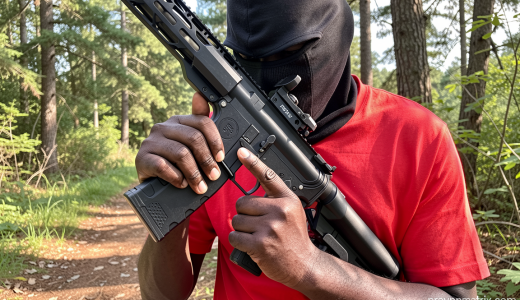
Provpnmatrix.com – Broken roads, shuttered clinics, and the constant hum of military logistics have turned daily life in southern Lebanon into a daily negotiation with danger. As fresh exchanges of fire between Israeli forces and Hezbollah continue, the United Nations peacekeeping mission stationed in the country, UNIFIL, has warned that ordinary residents remain exposed to escalating risk even as the broader conflict grinds on.
The latest flare-up came after Hezbollah launched drone strikes on Wednesday and Thursday, prompting retaliatory Israeli air and artillery strikes. Though those specific exchanges fell outside the zone where UNIFIL operates, the mission’s spokesperson, Kandice Ardiel, told UN News that the reverberations are felt across the entire southern region and along the Blue Line — the demarcation boundary drawn after the 2006 war that separates Lebanese territory from Israeli-controlled areas.
Political Resolution Demanded
Ardiel pressed all parties to honour Security Council resolution 1701, the landmark 2006 ceasefire framework designed to end hostilities between Israel and Hezbollah and to establish mechanisms for de-escalation. She argued that the current trajectory serves no side’s interests.
“It’s in no one’s interest to continue on a military path. The only solution to this is political and diplomatic.”
UNIFIL has called for renewed political engagement and restraint from every actor involved, urging them to channel tensions through the existing de-escalation mechanisms embedded in the resolution rather than through further kinetic action.
Mounting Military Activity Inside the Mission Zone
Even as the overall tempo of violence has eased compared with earlier months of the conflict, UNIFIL observers have recorded a noticeable uptick in military activity within their operational area. Logistical convoys, controlled demolitions of structures, and projectile launches have become more frequent, a trend the mission says threatens to erode the fragile calm that had taken hold over recent weeks.
The mission continues to monitor these developments closely and to document violations. Its warning is explicit: if the pace of military operations accelerates, the tenuous stability achieved since the worst of the fighting may collapse.
Widespread Destruction and Restricted Movement
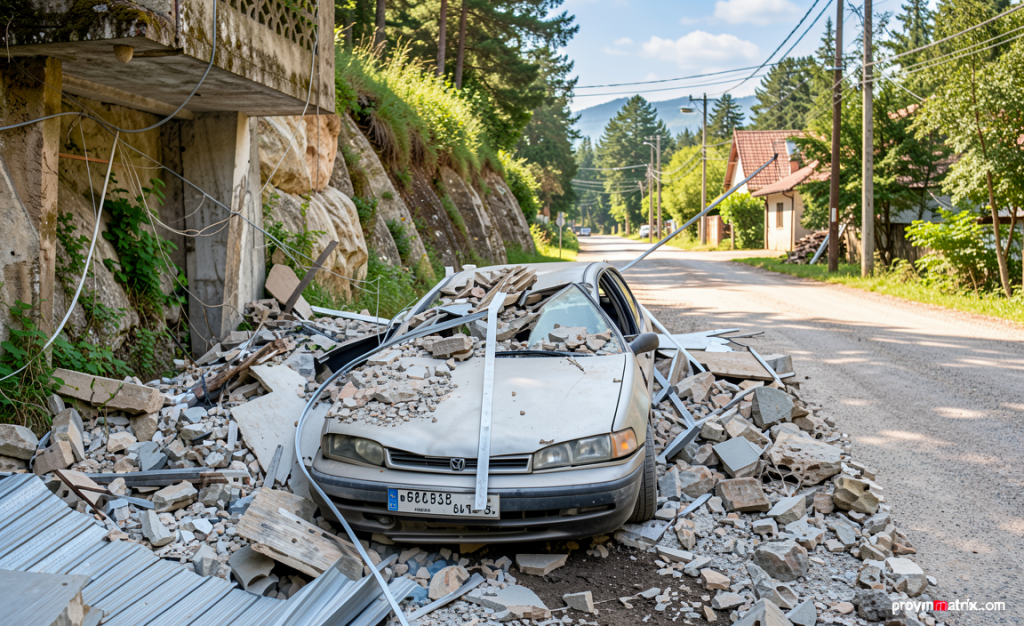
The physical toll on communities has been severe. UNIFIL reports that multiple villages and neighbourhoods across south Lebanon have sustained heavy damage to homes, road networks, and civilian infrastructure. The destruction has effectively locked many residents in place, making travel between villages difficult and cutting off access to essential services such as healthcare, water, and electricity.
Humanitarian agencies and peacekeeping personnel have encountered the same logistical barriers while attempting to reach affected populations, compounding an already acute supply shortage.
Deconfliction and Checkpoint Friction
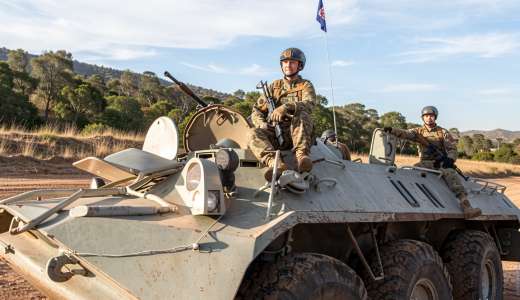
To mitigate the risk of accidental clashes, UNIFIL maintains ongoing coordination with both the Lebanese Armed Forces and the Israeli Defense Forces. Through established deconfliction protocols, the mission facilitates safe movement corridors and works to prevent incidents between the two sides’ forces.
Peacekeepers regularly accompany specific convoys and movements to bolster safety and to guarantee humanitarian access wherever conditions allow. Yet the mission has also logged intermittent delays at Israeli military checkpoints situated along the coastal highway that connects UNIFIL headquarters in Naqoura with Beirut.
“Peacekeepers have freedom of movement, and any interruption of that is a concern for us.”
That freedom of movement is a cornerstone of the mission’s mandate under resolution 1701, and its repeated curtailment raises questions about the practical enforceability of the ceasefire architecture.
Mandate Expiry and the Question of a Security Vacuum
UNIFIL’s current mandate is scheduled to lapse at the close of this year, a timeline that has sharpened debate over what will fill the operational gap once peacekeepers withdraw. In a letter made public in June, UN Secretary-General António Guterres laid out several options for implementing resolution 1701 in the absence of a full UNIFIL deployment. Each scenario envisions a continued, albeit reduced, UN presence on the ground tasked with monitoring the Blue Line, coupled with a strengthened UN political office — UNSCOL — charged with promoting peace and coordinating multilateral efforts in the region.
The mission itself has reiterated that no durable settlement can be engineered through military means alone. Its position is that both parties must return to structured dialogue and implement concrete measures capable of restoring security and stability for communities living on either side of the Blue Line.
Humanitarian Scale and a Funding Cliff
On the aid front, UNIFIL has worked in coordination with the UN Office for the Coordination of Humanitarian Affairs (OCHA) to open corridors and facilitate humanitarian missions reaching those in need. Since the Hezbollah-Israel conflict erupted in March, roughly 900,000 people have received at least one round of emergency cash assistance, according to UN Spokesperson Stéphane Dujarric.
Yet the scale of need far outstrips available resources. Dujarric noted that a six-month flash appeal requiring nearly $640 million to support populations affected by the escalation of fighting is set to expire within four days and stands at only half its target. The shortfall leaves millions without the basic protections and services they require.
“We call for full respect for international humanitarian law, the protection of civilians, the protection of civilian infrastructure, the protection of humanitarian and aid workers as well as our peacekeepers while stressing that sustained humanitarian support is essential to meet the needs of communities affected by the ongoing hostilities.”
As the mandate clock ticks down and the funding window narrows, the convergence of military escalation, infrastructure collapse, and institutional transition places south Lebanon at a crossroads where diplomatic choices in the coming weeks will determine whether the region slides back into open conflict or finds a path toward durable stability.
Related Reading
Frequently Asked Questions
What is Lebanon?
Lebanon is the main topic of this guide. The article explains the context, practical details, and next steps readers should understand.
Why does Lebanon matter?
Lebanon matters because readers are looking for a useful answer, not just a short summary. Good content should match search intent and help them decide what to do next.