Regional Humanitarian Situation Deteriorates as Middle East Conflict Persists
Provpnmatrix.com – The United Nations Office for the Coordination of Humanitarian Affairs (OCHA) issued a sobering assessment on Thursday regarding the escalating humanitarian emergency across the Middle East. As military exchanges between the United States and Iran continue beyond initial strikes and countermeasures, civilian populations face mounting dangers while critical infrastructure suffers widespread disruption across multiple nations in the region.
OCHA’s most recent communication emphasized the accelerating nature of the crisis.
“The humanitarian consequences of the Middle East escalation are worsening by the day,”
the organization stated in its comprehensive update.
Civilian Casualties and Infrastructure Damage
Since Wednesday, documented civilian casualties have emerged in both Iran and Kuwait, marking the expanding human cost of the conflict. Simultaneously, significant damage or complete destruction of essential infrastructure has been reported in Saudi Arabia and Egypt, threatening regional stability and humanitarian operations.
Iran experienced a fresh wave of aerial attacks on Thursday targeting several provinces, including Fars, Hormozgan, Bushehr, and Khuzestan. Notably, these strikes encompassed the nation’s primary oil-producing territories, potentially impacting energy supplies and economic recovery efforts.
According to local witnesses, a particularly devastating strike in Qeshm within Hormozgan province struck a residential structure, resulting in three civilian deaths. Among the victims was a two-year-old child, while two additional children sustained injuries in the same incident.
Iranian health officials provided updated figures as of July 27, confirming that at least 60 individuals have lost their lives and 670 others have been wounded since hostilities intensified approximately one month prior. These numbers continue to rise as the situation remains fluid.
Humanitarian Response and Regional Lifelines
UN agencies and humanitarian partners already deployed within Iran are maintaining their efforts to address the expanding humanitarian requirements. Their work becomes increasingly challenging as infrastructure damage complicates aid distribution and medical evacuation routes.
The conflict’s ripple effects extend beyond immediate combat zones to nations serving as crucial humanitarian corridors. Jordan and Egypt continue functioning as vital lifelines for aid deliveries and medical evacuations, making their stability essential for regional humanitarian operations.
OCHA indicated that monitoring efforts would intensify as fighting continues. The agency urged all involved parties to honor their commitments under international humanitarian law, specifically emphasizing the protection of civilians and critical infrastructure from unnecessary harm.
Timeline and Diplomatic Developments
Five months have elapsed since the present crisis began, originating from US-Israeli bombing operations against Iran followed by Tehran’s retaliatory strikes targeting Gulf States and Jordan. The consequences of these military actions continue reverberating throughout the region and beyond its borders.
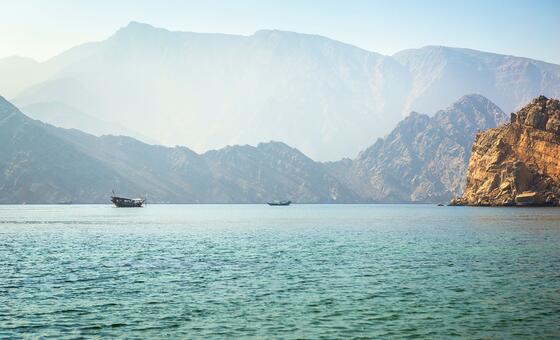
A significant diplomatic development occurred in June when an agreement establishing a ceasefire framework was signed. However, this peace initiative collapsed within weeks due to disagreements over control of the Strait of Hormuz, a strategically vital shipping corridor essential for transporting oil, liquified natural gas, and fertilizers globally.
The ongoing humanitarian crisis underscores the interconnected nature of regional security and civilian welfare. As military operations persist, the international community faces mounting pressure to address both immediate humanitarian needs and longer-term diplomatic solutions to prevent further deterioration of conditions for millions affected by the conflict.
Related Reading
Frequently Asked Questions
What is Middle East crisis?
Middle East crisis is the main topic of this guide. The article explains the context, practical details, and next steps readers should understand.
Why does Middle East crisis matter?
Middle East crisis matters because readers are looking for a useful answer, not just a short summary. Good content should match search intent and help them decide what to do next.