Education Under Fire Leaves Millions of Children Without Classrooms
Provpnmatrix.com – As a new school year begins across much of the northern hemisphere, tens of millions of children remain shut out of classrooms because conflict, insecurity and displacement have made learning unsafe or impossible. Education Cannot Wait, the global fund for education in emergencies, says 93 million children are currently out of school amid an unprecedented surge in attacks on education.
The scale of disruption extends far beyond those unable to attend classes. Across 87 countries, 258 million children face serious interruptions to their learning as violence, instability and other pressures undermine education systems. For children living through crisis, the loss of school can mean more than missed lessons: it can remove a dependable daily routine, a protected space and a connection to opportunities beyond conflict.
The warning comes as the International Day to Protect Education from Attack draws attention to schools, universities, teachers and students caught in armed violence. Education Cannot Wait described the global environment as one shaped by worsening conflicts, reduced restraint and weakening international standards intended to shield civilians.
“When a child is denied schooling for years, the consequences are immediate and profound: it means forgotten literacy, lost routines and a future dictated by recruiters or traffickers, rather than teachers,” said Maysa Jalbout, Director of Education Cannot Wait, the global fund for education in crises.
Record levels of violence affecting learning
A report supported by Education Cannot Wait found that attacks on education and the military use of learning facilities reached their highest recorded levels in 2024 and 2025. The number of students and education personnel killed, wounded, abducted or otherwise harmed also rose to an unprecedented level.
Across 28 countries examined in the report, schools and universities were directly attacked or used for military purposes. At least 9,259 incidents affecting education were recorded, including more than 3,600 attacks on schools. That total was over 50 per cent higher than the figure documented during 2022 and 2023.
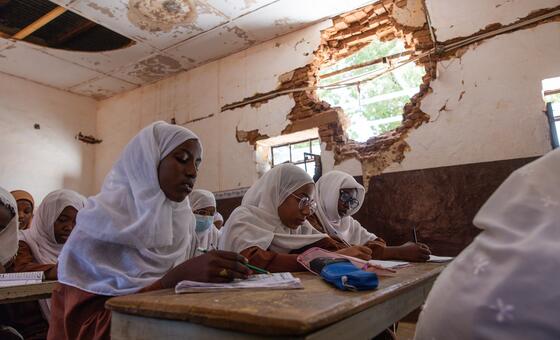
More than 10,600 students and educators were killed, injured or abducted. The use of schools by armed forces or armed groups nearly doubled, adding another barrier to safe learning. When a school building becomes part of a conflict environment, reopening classes may require repairs, clearing unexploded hazards, restoring services and reassuring families that children can return safely.
Education systems can also suffer long after immediate violence subsides. Damaged buildings, displaced teachers, interrupted examinations and lost learning materials can delay a community’s recovery. For children who have been out of school for extended periods, returning may be especially difficult without support that helps them regain foundational skills and reconnect with their peers.
“Education in emergencies is about more than keeping children in school. It is about protecting them at their most vulnerable: offering safety, stability, a sense of normalcy, and a path toward a future beyond crisis,” Ms. Jalbout said.
Children most at risk face the steepest barriers
UNESCO has stressed that every party to a conflict must comply with international law and protect education from attack. The agency noted that nearly eight in 10 children who are both out of school and affected by crisis live in only 20 countries. That represents roughly 74 million children.
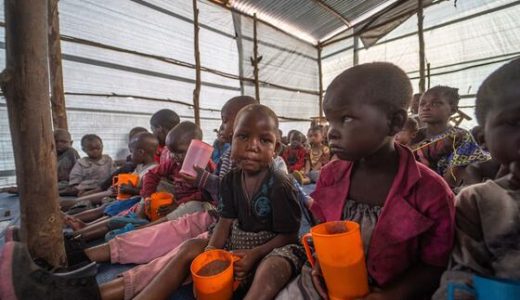
The burden is particularly severe for children already facing displacement or exclusion. UNESCO said 74 per cent of refugee children are out of school, along with 52 per cent of internally displaced children and 45 per cent of children with disabilities. These figures underline how educational access can become even more fragile when families are forced from their homes, public services collapse or schools cannot accommodate children with additional needs.
For displaced families, school enrollment may be complicated by lost documents, language differences, overcrowded host communities and the cost of transport or supplies. Children with disabilities may encounter inaccessible classrooms or a lack of specialized support. Protecting education therefore involves both preventing attacks and ensuring that learning opportunities remain available to those who have been uprooted by crisis.
Conflict violations place children in wider danger
Recent United Nations data show that 24,174 children were affected in 2025 out of 38,558 verified grave violations against children in conflict. Killing and maiming were among the most common violations, affecting 14,224 children. Other harms included recruitment and use in conflict, abduction and denial of humanitarian assistance.
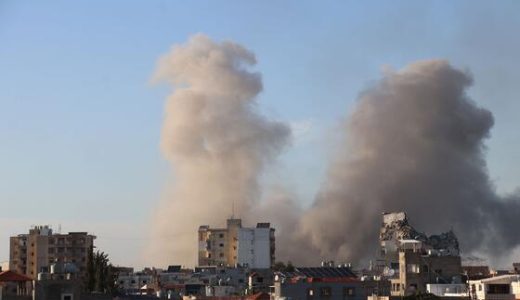
The UN Secretary-General’s Annual Report on Children and Armed Conflict describes fighting increasingly taking place in heavily populated locations. Children have been exposed to airstrikes, artillery fire and explosive drones, while homes, schools, hospitals and other civilian facilities have been damaged or destroyed. Risks also confront children while they flee violence or try to reach food, water and medical treatment.
The greatest number of verified grave violations was recorded in Israel and the Occupied Palestinian Territory. The Democratic Republic of the Congo, Nigeria, Myanmar and Somalia followed. For the first time, government forces were responsible for most verified grave violations.
Education Cannot Wait and its partners argue that safe, quality schooling is a crucial form of protection in emergencies. Beyond academic learning, schools can offer structure, adult support and a route toward rebuilding communities after violence and displacement. Keeping that path open requires learning spaces that are protected from attack and resources that reach children in the most difficult settings.
Through its Hope Starts Here campaign, Education Cannot Wait is seeking $600 million to provide 10 million children in what it calls the world’s toughest places with access to safe, quality education. The appeal reflects a basic reality for children living through crisis: the chance to learn can help preserve both immediate safety and the possibility of a future shaped by education rather than conflict.
Related Reading
Frequently Asked Questions
What is Record number of attacks on education?
Record number of attacks on education is the main topic of this guide. The article explains the context, practical details, and next steps readers should understand.
Why does Record number of attacks on education matter?
Record number of attacks on education matters because readers are looking for a useful answer, not just a short summary. Good content should match search intent and help them decide what to do next.