Maritime Security Risks Spread Across Vital Global Trade Routes
Provpnmatrix.com – Commercial shipping is facing an unusually dangerous period as threats emerge at the same time in several of the world’s most important waterways. From the Strait of Hormuz and the Red Sea to the coast of Somalia and the Black Sea, ships and crews are increasingly exposed to violence linked to conflicts in which they have no direct role.
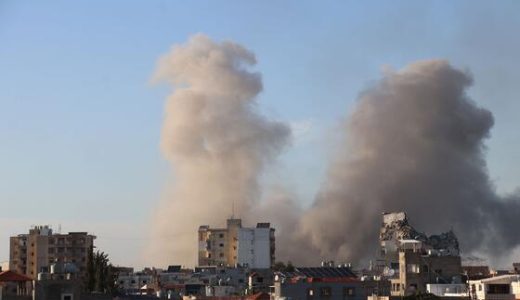
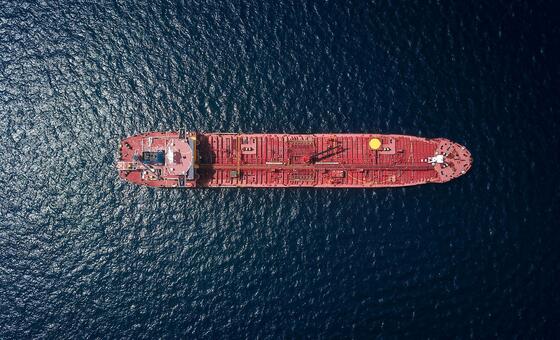
The combined pressure on these routes has created a crisis unlike the industry’s recent experience. Tankers, grain vessels and bulk carriers are navigating areas affected by drone strikes, missile attacks, piracy and wider military tensions. The danger extends beyond cargo delays: seafarers themselves are being placed in situations for which ordinary commercial crews are not trained.
“Shipping has become a deliberate instrument of geopolitical leverage.”
Four simultaneous flashpoints
Damien Chevalier, Director of the Maritime Safety Division at the International Maritime Organization, has described the overlap of maritime emergencies as genuinely unprecedented. Shipping has previously faced isolated regional dangers, but the present situation involves major threats across four separate theatres at once.
At the beginning of the conflict affecting the Strait of Hormuz, around 2,000 vessels and 20,000 seafarers were affected. The route is one of the most consequential passages for international energy trade, carrying roughly one-fifth of the world’s oil. Any disruption there can quickly influence fuel prices, transport costs and household expenses far beyond the region.
In the Red Sea, Houthi attacks have added another layer of risk for merchant shipping. Companies may have to alter routes, arrange additional security measures or accept longer voyage times. Such decisions can raise freight costs and reduce the predictability that global supply chains depend upon.
Meanwhile, piracy has increased sharply in waters near Somalia. With naval resources concentrating on threats in the Red Sea and Strait of Hormuz, pirates have found opportunities to target vessels that are comparatively vulnerable, especially smaller bulk carriers. Crews may be taken hostage, turning a commercial voyage into a personal and humanitarian emergency.
The Black Sea presents a separate but equally troubling picture. There is no direct connection between developments there and the tensions around Hormuz, yet vessels are also being drawn into conflict. Drones have been used against oil tankers and ships carrying grain, increasing the risks for crews and disrupting maritime trade at a sensitive point in the agricultural calendar.
Food and energy supplies under pressure
The effects of maritime insecurity are not confined to shipowners, ports or insurers. The Strait of Hormuz is important for oil and fertilizer flows, while the Black Sea remains essential for grain exports as well as fertilizer supplies. Disruption in either region can feed into higher prices and reduced availability in markets that depend on imported essentials.
Ukraine’s grain ports are currently receiving only one or two vessels each day during the harvest season, when activity would ordinarily be expected to reach about 20 to 30 ships daily. Lower vessel traffic can leave cargo waiting at port, limit export capacity and create uncertainty for buyers dependent on agricultural shipments.
Countries with substantial strategic reserves may have some ability to soften the immediate impact of interrupted trade. That protection is temporary, however. Once reserves are drawn down, reduced supply and elevated transport costs can combine into a second phase of pressure. Developing countries may be especially exposed if food, fertilizer and fuel become more expensive over the coming year.
Rerouting ships away from high-risk zones can lengthen journeys, consume more fuel and tie up vessels for additional days. Security precautions, insurance costs and operational delays add further expense. When these factors coincide with interruptions to supply, consumers can eventually face price rises far from the waters where the incidents occurred.
Piracy response and legal gaps
Counter-piracy has regained urgency as security conditions off Somalia worsen. A recent meeting on maritime law enforcement gave significant attention to the rise in pirate activity and the need to improve practical responses at sea.
Somalia is developing new legislation targeting piracy. A clearer legal framework could address a longstanding obstacle: ensuring that captured pirates can be prosecuted humanely. Naval forces may be able to intercept suspected attackers, but enforcement is more difficult when legal procedures for detention and prosecution are incomplete or unclear.
Reliable information is also difficult to obtain in conflict zones. Warring parties often circulate competing claims and disinformation, making it hard to confirm the precise number of Black Sea attacks, targeted vessels or crew members killed or injured. Even without complete figures, the scale of reported incidents and the potential human cost are deeply concerning.
Seafarers bear the immediate burden
For the people aboard these ships, the changing security environment is especially severe. Merchant seafarers are trained to operate vessels, manage cargo and respond to maritime emergencies, but they are not expected to handle threats created by geopolitical confrontation or armed conflict.
“Being a seafarer has become a genuinely dangerous profession.”
Casualties and injuries across the Black Sea, Red Sea and Strait of Hormuz underline the stakes. The industry also faces safety concerns connected to substandard vessels in different parts of the world. Work is under way to address fraudulent ship registration and fraudulent registries, practices that can obscure accountability and weaken maritime safety protections.
The risks may also affect the future workforce. Shipping cannot function without seafarers, yet the profession already requires long periods away from family and friends, often with limited internet access. A perception that commercial crews can become targets in unrelated disputes may make it harder to persuade younger people to choose a career at sea.
Protecting shipping therefore means more than keeping cargo moving. It requires safeguarding the crews who make global trade possible, strengthening action against piracy, improving legal enforcement and reducing the chances that civilian vessels are used as pressure points in conflicts between states.
Related Reading
Frequently Asked Questions
What is Ships and seafarers increasingly caught?
Ships and seafarers increasingly caught is the main topic of this guide. The article explains the context, practical details, and next steps readers should understand.
Why does Ships and seafarers increasingly caught matter?
Ships and seafarers increasingly caught matters because readers are looking for a useful answer, not just a short summary. Good content should match search intent and help them decide what to do next.