Report warns of reprisals against people engaging with the UN
Provpnmatrix.com – A new United Nations report warns of reprisals against people who engage with the UN on human rights issues. Activists, lawyers, journalists, community representatives and civil society organizations may face threats, intimidation or punishment for sharing information, seeking protection or participating in international human rights processes.
The Secretary-General’s report highlights the continuing risks for those who help bring alleged violations to international attention. Engagement with UN mechanisms can document abuses, support affected communities and encourage states to uphold their human rights obligations. However, that cooperation can also expose people to pressure from authorities, employers, armed groups or other powerful actors.
Participation must be safe
Human rights institutions depend on people being able to communicate freely and without fear. Survivors, witnesses, legal professionals and non-governmental organizations often provide information and perspectives that are not available through official channels.
When reprisals occur, the consequences reach far beyond the person directly targeted. Fear may stop witnesses from speaking, discourage lawyers from pursuing sensitive cases and limit the ability of local organizations to work with international bodies. This can weaken the public record of human rights conditions and reduce opportunities for victims to seek redress.
The report warns of reprisals against those who cooperate with the UN and stresses the importance of both protection and accountability. Protection can help prevent harm, while accountability is needed when intimidation, harassment or other punitive acts take place.
What reprisals can look like
Reprisals can take many forms. They may include surveillance, hostile public statements, travel restrictions, legal action, detention, professional penalties or threats against relatives and colleagues. Less visible actions can also be damaging when they isolate advocates or make normal human rights work unsafe.
Risks may arise before, during or after a person attends a meeting, files a submission, speaks with an independent expert or takes part in a public discussion. The danger may be especially serious in places where civic space is already restricted and people have limited freedom to organize or express concerns.
Protecting access to international human rights institutions is not simply a procedural issue. It is linked to people’s ability to speak, organize, obtain legal support and participate in public life without fear of punishment.
Why access to the UN matters
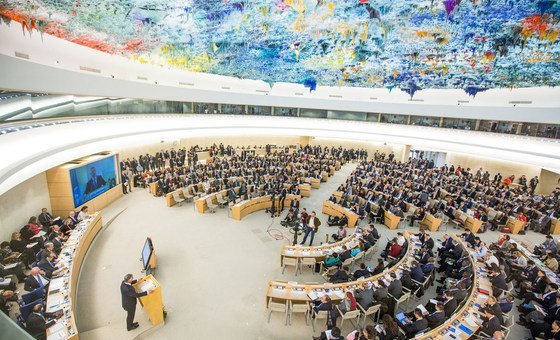
The UN human rights system offers several channels for individuals and organizations to raise concerns, including the Human Rights Council, independent experts, special procedures, treaty-monitoring bodies and reviews of states’ human rights records. Although their mandates differ, these mechanisms rely in part on information from people outside government institutions.
Local voices are essential because human rights conditions are experienced in homes, workplaces, schools, courts, detention facilities and communities. When affected people cannot participate safely, international discussions may fail to reflect the realities faced by communities on the ground.
Safeguards for participants also support the credibility of the wider human rights system. If people believe that approaching an international institution will put them in danger, access loses much of its value. A system designed to hear concerns must protect the safety and dignity of those who bring them forward.
Responsibility and accountability
Governments have a central responsibility to ensure that people in their jurisdiction can communicate with UN institutions without obstruction or punishment. Meaningful responses to reprisals should address alleged abuse, prevent repeated harm and create conditions in which advocates can continue their work safely.
The report warns of reprisals against UN participants as a reminder that international human rights cooperation must be protected in practice, not only recognized in principle.
Frequently asked questions
Who can face reprisals for engaging with the UN?
Anyone who shares information or participates in a UN human rights process may face pressure, including activists, victims, witnesses, lawyers, journalists, community leaders and civil society organizations.
Why do reprisals affect more than one person?
Threats or punishment can create fear among colleagues, witnesses and communities. This may discourage others from reporting abuses or seeking support through human rights institutions.
What is needed to prevent reprisals?
Prevention requires effective protection for participants, respect for their right to communicate with UN bodies and accountability when threats, intimidation or punitive actions occur.