Sudan’s Displacement Crisis Deepens as Floods Collide with Ongoing War
Provpnmatrix.com – The humanitarian emergency in Sudan has reached a new and more dangerous threshold. At least 200,000 additional people have been forced from their homes since late 2025, driven out by renewed combat between rival military factions. Compounding the violence, seasonal flooding has struck with unusual severity, destroying shelters and severing access to basic services across multiple states. The UN International Organization for Migration (IOM) issued an urgent alert on Wednesday detailing the compounded crisis and warning that relief operations are being further strained by global supply-chain disruptions, particularly those affecting shipping lanes through the Red Sea and the Strait of Hormuz.
A Conflict That Shows No Sign of Abating
Since the war erupted in April 2023 between the Sudanese Armed Forces and the Rapid Support Forces along with their allied militias, a staggering 8.6 million people have been displaced within the country. Millions more have crossed into neighbouring states, seeking safety beyond Sudan’s borders. Fighting remains active across numerous regions, and the IOM’s Director General, Amy Pope, emphasized that repeated strikes on critical infrastructure have pushed families to the edge of survival.
“The warning signs are impossible to ignore. Across Sudan, families are fleeing violence, losing access to water, electricity, and healthcare, and now facing the added burden of destructive floods. Without urgent action to protect civilians and restore essential services, the suffering will deepen.”
The scale of internal displacement in Sudan now rivals some of the longest-running refugee crises in the world. For context, the conflict began when tensions between the two military leaders who had jointly overseen a transitional government after the 2021 coup escalated into open warfare in Khartoum, quickly spreading to Darfur, Kordofan, and other regions. What started as a power struggle has evolved into a full-scale civil war with devastating consequences for civilian populations.
Infrastructure Under Siege: Power, Water, and Communication
In North Kordofan state, located in south-central Sudan, intense fighting and drone strikes targeting El Obeid city’s principal electrical transformer have caused extended blackouts. The loss of power has cascaded into failures of water-pumping stations, hospitals, and telecommunications networks, leaving entire communities without essential services for days at a time.
Displacement in the wider Kordofan region has surged by 25 per cent in Sheikan locality over the past eight months, with more than 200,000 people newly uprooted across the area since late 2025. In Blue Nile state, clashes in and around the town of Geissan displaced approximately 7,800 residents, some of whom crossed the border into Ethiopia. West Darfur recorded nearly 18,000 new displacements during the first half of August alone.
Floods Strike Already-Vulnerable Populations
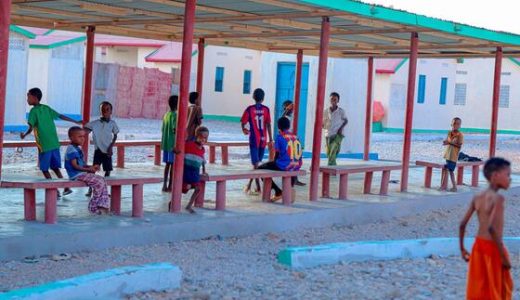
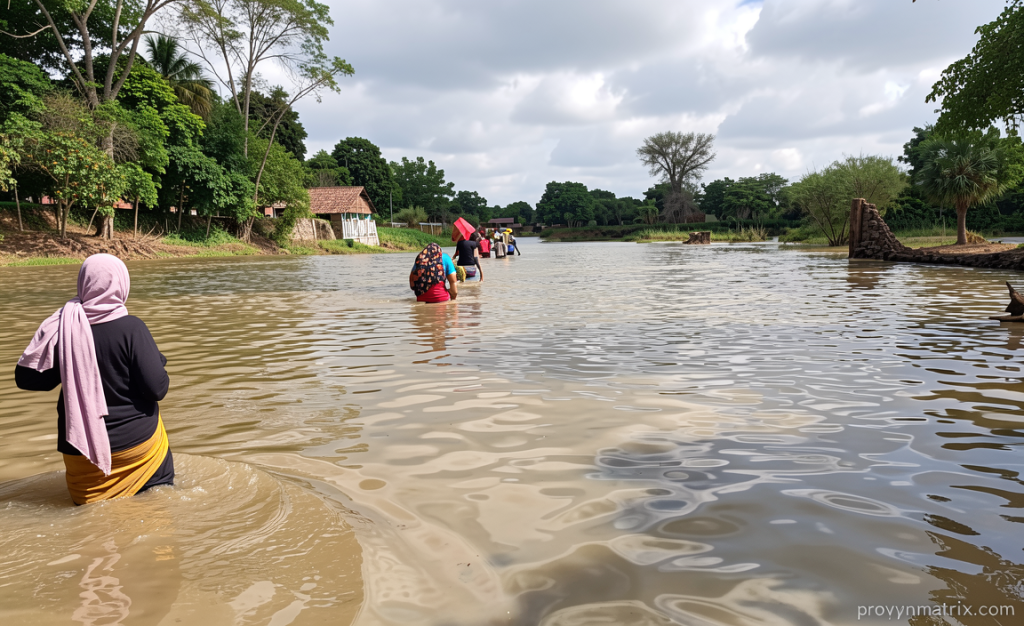
Heavy rainfall in North Darfur last week destroyed or damaged close to 1,350 shelters within the sprawling camps at Tawila, displacing more than 1,000 families. Additional flooding in the towns of Kabkabiya and Shangil Tobaya, also in North Darfur, forced dozens more families into makeshift temporary shelters. For populations already living in overcrowded camps with limited sanitation, the arrival of seasonal rains transforms a precarious existence into an immediate survival threat, raising the risk of waterborne disease and exposure.
Relief Deliveries Under Pressure
In the 72 hours preceding the alert, IOM delivered 1,750 metric tons of humanitarian supplies to Sudan, including 17,750 hygiene kits and 850 tents. Those shipments have already reached 110,750 people in areas of most acute need, with the agency projecting that the total number of beneficiaries will exceed 400,000 in the coming days.
Yet the agency cautioned that ongoing delays in global logistics networks—exacerbated by disruptions in the Red Sea corridor and the Strait of Hormuz—are adding pressure to an already fragile response. For a country of Sudan’s size and terrain, where road networks are often damaged or contested, every day of shipping delay translates into days without food, medicine, or shelter materials reaching those who need them most.
Returnees Face Ruined Communities
Over the past roughly 18 months, more than 4.5 million people have returned to Sudan from neighbouring countries, with significant numbers heading back to Khartoum and other urban centres. Many are arriving in areas where water systems, electrical grids, hospitals, and schools have been destroyed or rendered inoperable. The return flow places enormous strain on reconstruction efforts that have barely begun.
IOM’s mandate in this context is twofold: to support those choosing to return home and to assist others who remain stranded or unable to live safely in areas where active conflict continues. The agency is one of several UN bodies engaged in the humanitarian response, but its specific focus on migration and displacement gives it a unique operational role.
“Sudan is one of the world’s largest displacement crises,” Pope stated. “IOM is committed to delivering lifesaving aid, but urgent support is needed to sustain shelter and pipeline operations, before conditions worsen further.”
The convergence of active warfare, infrastructure collapse, and extreme weather events creates a scenario in which each crisis amplifies the others. Floods destroy the very shelters that displaced families depend on; power outages disable the water systems that prevent cholera outbreaks; and supply-chain delays mean that replacement materials arrive weeks after they are needed. Without coordinated, sustained international funding and logistical support, the coming months risk pushing Sudan’s humanitarian situation past the point where incremental aid can reverse the damage.
Related Reading
Frequently Asked Questions
What is Sudan war?
Sudan war is the main topic of this guide. The article explains the context, practical details, and next steps readers should understand.
Why does Sudan war matter?
Sudan war matters because readers are looking for a useful answer, not just a short summary. Good content should match search intent and help them decide what to do next.