Reducing Food Waste Can Ease Climate Pressure and Protect Forests
Provpnmatrix.com – A forgotten container at the back of a refrigerator, surplus food from a buffet or produce damaged before it reaches a market may seem like small losses. Multiplied across homes, farms, restaurants and supply chains, however, wasted food has become a major climate and food-security challenge.
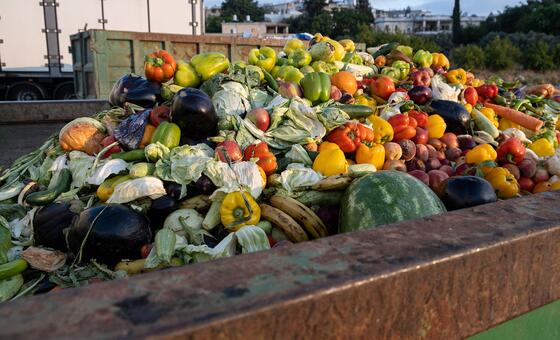
Discarded food often ends up decomposing in landfills, where it releases methane, a powerful greenhouse gas. Food loss and waste are linked to an estimated eight to 10 per cent of global greenhouse-gas emissions. The problem begins well before food reaches a dinner plate: crops can spoil after harvest, during storage or while being transported to shops.
More than one billion meals go uneaten each day because of overproduction, spoilage and weak meal planning, UNEP has highlighted. The scale of that loss is drawing attention on 29 September, the International Day of Awareness of Food Loss and Waste, observed by UNEP and the UN Food and Agriculture Organization.
Food systems and forests are closely connected
This year’s observance emphasizes the relationship between cutting food losses, protecting forests and building sustainable agrifood systems. When food already produced is used more effectively, less pressure is placed on land needed to grow replacement crops. That can help reduce the forces driving conversion of forests into agricultural land.
“Using the food we already produce more efficiently can reduce pressure on land and forests and help feed more people,” said Michael Muratha, a Programme Manager at UNEP, speaking from its headquarters in Nairobi.
Forests are not only important for climate action and biodiversity. Healthy forest ecosystems can also support agriculture by protecting soils and helping regulate rainfall. Food-waste prevention therefore has implications beyond household budgets: it is connected to the resilience of farms and landscapes.
Practical improvements can make a significant difference. Better handling, storage and transport can preserve food between harvest and sale, particularly for fruit, vegetables and other perishable products. Cold-chain systems are especially important because they keep food at safe temperatures through storage and delivery.
“In Kenya, a cooperative of 179 farmers near Nairobi was losing up to 40 per cent of its crops after harvest before receiving cold-storage and refrigerated transport equipment,” he said.
Reliable storage also gives producers greater flexibility during droughts, floods and periods of scarcity. It can help retain nutritious foods that might otherwise spoil, an important concern when 2.6 billion people cannot afford a healthy diet rich in fruit and vegetables.
“That’s why it’s really important to take these measures to preserve and conserve and reduce losses of food,” he said.
Innovation does not need to be complicated
Efforts to keep edible food out of landfills range from basic community practices to advanced digital systems. One priority is ensuring that safe surplus food can reach people who need it, including children attending daycare centres in underserved communities.
Some solutions focus on changing how ingredients are viewed. In Brazil, the Favela Orgânica project works with communities, street vendors and chefs to make use of foods frequently discarded, including broccoli stalks and banana peels. Such approaches can encourage people to see more value in parts of ingredients that are edible but often overlooked.
“Innovation can help at different points where food is lost or wasted, and it does not always have to be high-tech,” Mr. Muratha insisted.
Technology can also help businesses identify where waste occurs. In a UNEP-supported initiative involving 13 hotels, artificial-intelligence tools were used to measure discarded food and refine purchasing and preparation. The participating hotels cut post-consumer breakfast waste by 62 per cent over four months.
“AI is also showing promise,” he added. “In a UNEP-supported initiative involving 13 hotels, AI tools helped measure discarded food and adjust purchasing and preparation, reducing post-consumer breakfast waste by 62 per cent in four months.”
For households, waste prevention can begin with smaller, everyday choices: planning meals before shopping, checking what is already available at home, freezing food that will not be used promptly and serving realistic portions. These steps will not solve the global problem alone, but they reflect the same principle driving larger changes across supply chains: food should be valued before it becomes waste.
Economic benefits alongside climate action
The financial stakes are substantial. Food loss and waste cost the world more than $1 trillion each year. Prevention can produce savings as well as environmental gains: every dollar invested in reducing waste saves cities $8 and households $84.
UNEP and partners launched the Food Waste Breakthrough initiative last year at the UN COP31 climate change conference in Brazil. Its target is to halve food waste by 2030, reduce methane emissions and strengthen climate action.
The goal is not simply to encourage people to clear their plates. It involves improving the systems that grow, store, sell and share food, while making sure surplus is handled safely and redirected where possible. Better planning can limit waste in kitchens; investments in refrigeration and transport can prevent losses before food reaches consumers; and community projects can help people use ingredients more fully.
“For communities, it means more food reaching people and greater resilience when harvests, prices or supply chains are disrupted,” he said.
“It will not end hunger on its own, but it is an important part of building more secure and sustainable food systems.”
Reducing food loss and waste is therefore a practical climate measure, an economic opportunity and a way to make food systems more resilient. Each saved meal represents resources that no longer need to be replaced, from farmland and water to labour, energy and transport. Keeping food in use for longer can help communities get more from what they already produce while reducing the environmental cost of throwing it away.
Related Reading
Frequently Asked Questions
What is Clean your plate?
Clean your plate is the main topic of this guide. The article explains the context, practical details, and next steps readers should understand.
Why does Clean your plate matter?
Clean your plate matters because readers are looking for a useful answer, not just a short summary. Good content should match search intent and help them decide what to do next.