Climate Crisis: UN Chief Proposes Blueprint for Clean Energy Transition
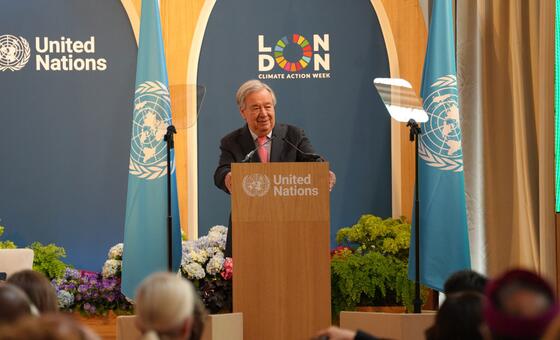
Climate crisis – As extreme heatwaves swept across Europe, UN Secretary-General António Guterres underscored the urgency of global action to address the climate crisis. Speaking at London Climate Action Week, he highlighted the need for a collective shift toward sustainable energy solutions to curb rising temperatures and environmental degradation. The UN leader stressed that fossil fuels remain the primary driver of climate-related challenges, calling for bold strategies to ensure a resilient and equitable future for all nations.
AI’s Environmental Impact in the Spotlight
During his address, Guterres directed attention to the growing influence of artificial intelligence in amplifying climate pressures. He urged major tech firms to take responsibility for the energy consumption and ecological footprint of their data centres, which are critical hubs for digital infrastructure. By 2030, these facilities must be powered entirely by renewable sources to align with the global fight against the climate crisis.
“These crises may seem separate, but they share the same destructive origin: fossil fuels. The answer is a fast, fair transition to clean energy and a surge in adaptation, resilience, and climate justice for those already suffering from the climate crisis,” Mr. Guterres stated, emphasizing the need for political leadership to accelerate transformative change.
Energy Security and Climate Strains
Guterres linked the world’s dependence on oil to heightened energy insecurity and environmental strain, citing recent disruptions in the Strait of Hormuz and geopolitical tensions involving Iran, Israel, and the United States. These events, he argued, mirror the energy shocks of the 1970s, underscoring the need for a long-term strategy to reduce reliance on fossil fuels and stabilize the climate crisis.
“The task before us is to limit the overshoot of global temperatures, shorten its duration, and bring temperatures below 1.5°C as swiftly as possible,” he said. The consequences of failing to do so include coral reef die-offs, accelerated sea-level rise, and the risk of small island nations becoming uninhabitable due to climate change.
Five Pillars for a Sustainable Transition
Guterres outlined a five-point plan to combat the climate crisis, emphasizing the importance of immediate and coordinated efforts. His framework includes rapid emission cuts, scaling up renewable energy adoption, environmental transparency in technology, equitable transition practices, and enhancing climate resilience through adaptive infrastructure.
1. Immediate Emission Reductions
The first priority is to halt the rise in greenhouse gas emissions and achieve net-zero by 2050. This requires stringent regulations on methane emissions and phasing out subsidies for fossil fuel projects to redirect resources toward clean energy innovation and climate adaptation in vulnerable communities.
2. Expanding Renewable Energy Access
Renewables must be scaled rapidly, with a focus on ensuring affordable access for low-income nations. Guterres called for ending financial support for coal, oil, and gas industries, arguing that profits from these sectors should fund global clean energy initiatives to address the climate crisis.
3. Tech Accountability for Sustainability
“Clean up AI” became a central theme, with Guterres demanding transparency in the environmental costs of digital infrastructure. By 2030, he insisted, all data centres must operate on renewable energy, linking this step to broader efforts to mitigate the climate crisis and reduce resource consumption.
4. Fair Distribution of Energy Benefits
The energy transition must prioritize equity, ensuring that marginalized populations and developing countries receive support to adapt to climate impacts. Guterres framed this as a moral obligation, advocating for job creation, financial aid, and sustainable development to prevent the climate crisis from widening global inequalities.
5. Strengthening Climate Resilience
Investments in adaptation measures, such as early warning systems and infrastructure upgrades, are essential to protect communities from extreme weather events. Guterres argued that these steps are not just about mitigating harm but also about building resilience to the ongoing climate crisis.
Global Funding for Climate Action
Financing for clean energy projects and climate adaptation remains a critical hurdle, according to Guterres. He urged the international community to provide accessible funding to support developing nations in their transition to sustainable systems. This, he claimed, would not only safeguard vulnerable populations but also ensure a unified response to the climate crisis.