Ebola response loses vital treatment capacity after fire at Ituri camp
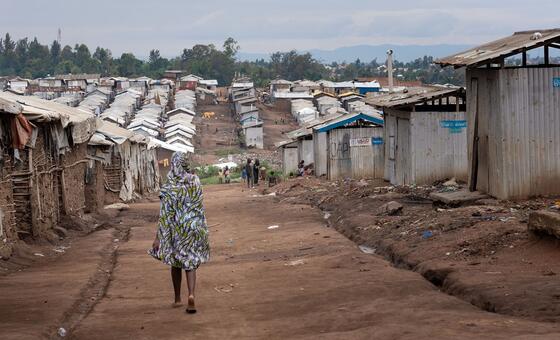
Provpnmatrix.com – Efforts to contain Ebola in the Democratic Republic of the Congo have suffered a serious setback after a transit centre serving patients in Ituri province was destroyed by fire. The facility operated at Kigonze displacement camp, a site that has since been left deserted as insecurity pushes residents to flee.
The loss comes at a particularly difficult moment for health workers trying to stop transmission while violence limits movement, damages essential services and makes it harder for vulnerable families to reach care. Ebola responders now face the immediate task of replacing capacity that took considerable time, funding and staffing to establish.
“It’s been a huge struggle to create Ebola transit centres [and] Ebola treatment centres; it’s required money, bringing in staff and it’s been a struggle all across the east,” said Julien Harneis, the UN’s senior Ebola response official in the DRC. “So, when we lose a centre, that means we lose capacity, we lose investment and we have to start again. And above all, it means that people do not get access to the care that they really need.”
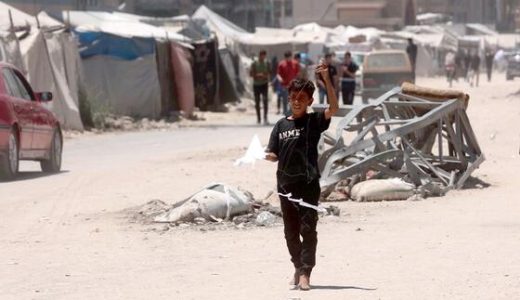
Kigonze camp had sheltered about 19,000 people who had escaped violence in the resource-rich eastern part of the country near the Rwandan border. In recent days, thousands left the camp after claims that soldiers entered the site looking for weapons and people suspected of links to non-State armed groups. Gunfire was also heard in the area.
Health services disrupted by insecurity
The transit centre fire took place on Tuesday evening and was described by Mr. Harneis as deeply disappointing. Its staff had provided essential, high-quality assistance to people requiring care. The United Nations is working alongside authorities to help ensure that health facilities receive protection during the ongoing crisis.
Transit and treatment centres play a central role in an Ebola outbreak. They help identify suspected cases, isolate patients safely and connect confirmed patients with appropriate treatment. When such services are lost, communities may have fewer safe options at the moment when rapid assessment and isolation are most important for limiting further spread.
Conflict has already obstructed the health response across several zones in Ituri, including Fataki, Drodro and Lita. Insecurity has delayed the delivery of laboratory samples from Fataki to Bunia, interrupted transfers of confirmed Ebola patients and forced some humanitarian organizations to pause their work in affected locations.
The impact of violence extends beyond the immediate loss of facilities. Patients may face longer and more dangerous journeys, while health workers must operate with reduced access to communities where surveillance, treatment, safe burials and public information are urgently needed.
Displacement grows across Ituri and North Kivu
Fresh fighting has also driven more people from Rhoe displacement camp in Djugu territory, another part of Ituri province. More than 3,000 residents fled after clashes intensified on 27 September. At least four people were killed and seven injured, while several homes were burned in Blukwa.
Women and children make up most of those forced from their homes, adding to humanitarian pressure in a region where displacement, disease risks and restricted access overlap. Humanitarian partners are monitoring conditions and urging all sides to protect civilians, preserve displacement sites and allow aid workers to reach those in need.
In neighbouring North Kivu, two people involved in the Ebola response were killed in Lubero on 27 and 28 September. Elsewhere in the province, fighting in Masisi has displaced more than 24,000 people since the middle of September.
Violence has also affected South Kivu and Tanganyika provinces, where thousands more people have been forced to leave their homes. Each new wave of displacement increases the demand for shelter, food, medical care and protection, while complicating efforts to monitor disease transmission across communities.
Ituri remains at the heart of the outbreak
The current Ebola emergency was declared in mid-May and has spread across seven provinces: Bas-Uele, Haut-Uele, Ituri, North Kivu, South Kivu, South Ubangi and Tshopo. It is the Democratic Republic of the Congo’s 17th Ebola outbreak.
More than 8,000 infections have been confirmed, including 4,000 deaths. Ituri remains the epicentre, with the largest concentration of cases in and around Bunia and Mongbwalu.
Health teams face two simultaneous demands: expanding their ability to control heavy transmission where the virus is already widespread, while moving swiftly in new hotspots before infections become entrenched. This requires reliable transport, protected staff, operational health sites and continued cooperation with communities.
The World Health Organization supports local health authorities through patient care, disease surveillance, safe and dignified burials, and community engagement. Burial teams are especially important because safe practices can reduce the risk of further transmission while respecting families and local communities.
Mongala faces difficult access to treatment
In Ituri’s Mongala health region, 346 confirmed Ebola cases and 149 deaths have been recorded since the first infection was detected on 18 May. Mongala is about 45 kilometres from Bunia, the provincial capital, yet the journey can take close to two hours by car because access is difficult.
The area does not have its own treatment centre. Patients must therefore be referred either to Nizi, 27 kilometres away, or to Bunia, depending on available beds and the preference of the patient. In a setting affected by insecurity and transport disruption, those distances can become a major barrier to timely care.
Response capacity has nevertheless been expanded in parts of Ituri. The number of mobile safe and dignified burial teams has risen from 53 teams, each with 12 members, to 114 teams deployed across the province.
That expansion reflects the scale of the public health effort, but the destruction of the Kigonze transit centre illustrates how quickly gains can be undermined when conflict reaches places of refuge and care. Protecting civilians, medical workers and health infrastructure remains essential if the Ebola response is to regain momentum.
Related Reading
Frequently Asked Questions
What is Ebola response faces setback as transit?
Ebola response faces setback as transit is the main topic of this guide. The article explains the context, practical details, and next steps readers should understand.
Why does Ebola response faces setback as transit matter?
Ebola response faces setback as transit matters because readers are looking for a useful answer, not just a short summary. Good content should match search intent and help them decide what to do next.