Nepal Seeks Climate Justice After Deadly Glacier-Triggered Floods
Provpnmatrix.com – Nepal is pressing for financial support after catastrophic flooding devastated communities in the country’s north, placing renewed focus on the unequal burden carried by nations that have produced only a small share of global greenhouse gas emissions.
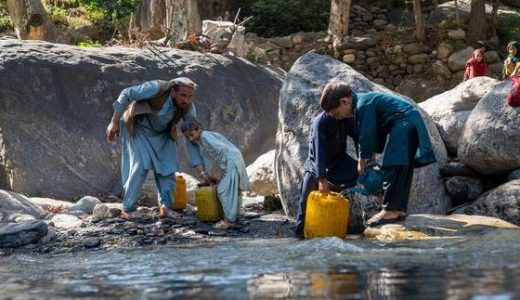
The floods began on 26 August after a melting glacier triggered a destructive surge of water through parts of Rasuwa, Nuwakot and Dhading. Around 84,270 people have been affected, while roads, schools, electricity networks and water infrastructure have sustained extensive damage.
Search and rescue operations remain under way amid a grave humanitarian situation. A total of 5,132 people are still missing, including 587 foreign nationals. Families in the hardest-hit areas continue to look for loved ones, in some cases after seeing relatives swept away by waves reaching 20 metres in height.
A Case for International Support
Nepal has turned to the UN Loss and Damage Fund, which was created in 2022 to support developing countries facing particularly severe climate-related harm. Its request is being considered as the country confronts both immediate humanitarian needs and the longer task of rebuilding essential services.
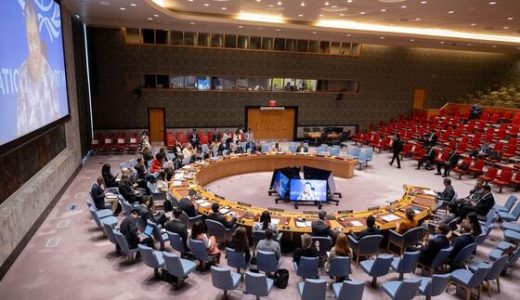
UN Resident Coordinator for Nepal Lila Pieters Yahia said the disaster illustrates why climate-vulnerable countries need meaningful and accessible help. Speaking from Kathmandu by video link to UN Headquarters, she stressed that Nepal’s low contribution to global emissions does not shield it from the consequences of a warming climate.
“The devastation Nepal has experienced is an extraordinary, stark illustration of the losses and damages that climate-vulnerable countries are increasingly facing,”
The argument for climate justice centres on responsibility and capacity. Countries suffering the harshest effects of climate disruption often have contributed least to the emissions driving it, while having fewer resources to prepare for disasters, restore infrastructure and support displaced families.
“Nepal’s calls for climate justice speaks to a principle which lies at the heart of the international climate framework,”
“Countries that are particularly vulnerable to climate change need adequate and accessible support to respond to loss and damages they did little to cause.”
For Nepal, the request is not limited to repairing visible destruction. Floods can interrupt access to drinking water, health services, transport, education and livelihoods at the same time. When bridges, roads and power systems are damaged, aid workers may struggle to reach communities that need help most urgently.
Communities Cut Off by Floodwaters
Ms. Yahia visited some of the worst-affected locations over the weekend. In areas where whole settlements were washed away, riverbanks have shifted dramatically, changing the landscape and leaving residents to cope with enormous personal losses.
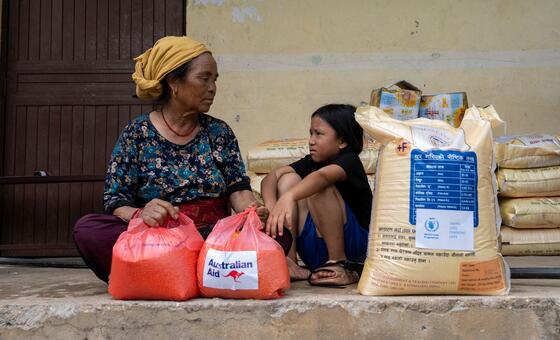
Humanitarian agencies and their partners have begun reaching people in need, but access remains difficult in isolated and severely damaged areas. The disaster has shown how disrupted transport routes can turn the delivery of basic supplies into a major operational challenge.
In a first for an emergency operation in Nepal, the World Food Programme used cargo drones to transport food to communities cut off by the flooding. The deliveries offer a practical response where conventional routes are inaccessible, helping connect stranded families with urgently needed assistance.
The use of cargo drones also reflects the importance of adapting emergency responses to local conditions. Where floodwaters, landslides or damaged roads prevent trucks from moving, other delivery methods can help reduce isolation during the critical first stages of a disaster.
Funding Gap Threatens Lifesaving Response
The UN and the Government of Nepal launched a $49.6 million flash appeal on Friday to provide lifesaving aid to 84,000 people before the end of December. The plan includes shelter, healthcare and cash support, with the aim of helping affected households meet urgent needs while recovery efforts begin.
By Wednesday, $22 million had been received, leaving the appeal well short of its target. The remaining shortfall matters because needs extend beyond emergency food and temporary shelter. Communities require functioning water systems, medical care and support for people coping with loss, displacement and uncertainty.
Among the most urgent priorities are repairs to water infrastructure, mobile health clinics for pregnant women and mental healthcare for people affected by the catastrophe. These services are especially significant when normal local systems have been damaged or overwhelmed.
Water restoration is vital for public health and daily life, while mobile clinics can bring care closer to people unable to travel safely. Mental health support is also an essential part of recovery, particularly for families who have lost relatives, homes or their sense of security.
Recovery Will Require More Than Emergency Relief
The immediate focus remains on finding missing people, supporting survivors and reaching isolated communities. Yet the scale of damage points to a longer recovery process involving homes, public infrastructure and basic services across northern Nepal.
Nepal’s appeal places its disaster within a broader international question: how should climate finance respond when the impacts of a changing climate cause irreversible losses in countries with limited responsibility for global emissions? The Loss and Damage Fund was established to address that concern, but affected countries also need assistance that is timely enough to help during an active emergency.
For families living through the floods, the debate is inseparable from immediate realities: safe shelter, food, clean water, healthcare and news of missing relatives. International financial support will shape how quickly assistance can reach them and how effectively damaged communities can begin rebuilding.
As rescue teams continue their work and humanitarian organizations expand relief efforts, Nepal’s call is a reminder that climate disasters are not only environmental events. They are human emergencies that test access to resources, the resilience of public services and the global commitment to support those facing consequences they did little to create.
Related Reading
Frequently Asked Questions
What is Flood ravaged Nepal calls for climate?
Flood ravaged Nepal calls for climate is the main topic of this guide. The article explains the context, practical details, and next steps readers should understand.
Why does Flood ravaged Nepal calls for climate matter?
Flood ravaged Nepal calls for climate matters because readers are looking for a useful answer, not just a short summary. Good content should match search intent and help them decide what to do next.