Afghanistan’s Human Rights Crisis Deepens as International Attention Fades
Provpnmatrix.com – Afghanistan is facing a worsening humanitarian and human rights emergency, with millions of people living in poverty while restrictions imposed since the Taliban’s return to power in 2021 continue to narrow everyday life. The situation has become especially severe for women and girls, former government opponents, religious minorities, journalists and families returning from abroad.
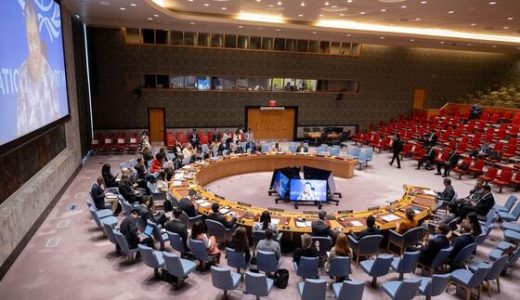
UN High Commissioner for Human Rights Volker Türk warned that the country’s population is being left behind as conditions deteriorate. Speaking in Geneva, he said the international response has failed to match the urgency of the crisis.
“Today, the plight of many in Afghanistan is going from bad to worse.”
He said the growing lack of global attention was striking, particularly as Afghans confront overlapping pressures: reduced access to work and education, shrinking civic space, food insecurity, weak public services and the return of large numbers of people from neighbouring countries.
“Yet, it seems the world has forgotten and abandoned the people of Afghanistan to a plight deepening by the day. The silence is deafening.”
Restrictions reach into daily life
Rules enforced by the Taliban’s Office for the Propagation of Virtue and Prevention of Vice have affected education, employment, movement and participation in public life. Both women and men have been detained over alleged breaches of requirements governing clothing, beard length, and the playing or listening to music.
These measures do more than regulate personal conduct. They limit people’s ability to study, earn an income, travel independently and take part in their communities. For households already struggling financially, restrictions on work and mobility can intensify dependence and reduce options for responding to hardship.
Violations targeting people associated with the Taliban’s former adversaries during the conflict that followed the 2001 allied invasion have also continued to be documented. Religious minorities, including Shi’a and Ismaili communities, remain subject to restrictions and discrimination. Meanwhile, pressure on the media persists through censorship, temporary shutdowns of outlets and arrests of journalists.
Corporal punishment has remained part of the de facto authorities’ response to alleged offences. At least 449 women and men underwent corporal punishment during the first six months of the year. Such penalties raise serious concerns over due process, dignity and protection from cruel or degrading treatment.
Women and girls bear the heaviest burden
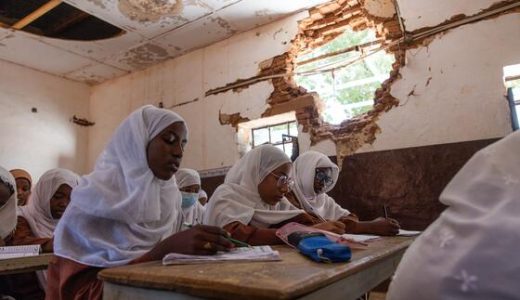
Women have been disproportionately affected by the policies introduced since 2021. More than two million Afghan girls and women have lost access to secondary schooling and higher education. The exclusion has consequences extending far beyond classrooms, limiting future employment opportunities and reducing the number of women able to enter professions vital to public life.
Recent decrees have added further obstacles for women seeking to separate from spouses. They also implicitly permit child marriage and violence against women and children. At the political level, women have been almost entirely shut out of formal decision-making.
Mr. Türk condemned the “absolute absence of women in any public decision-making fora.”
The restrictions also apply to the United Nations’ own operations. Taliban leaders barred Afghan women, including UN staff members, contractors and visitors, from entering UN premises across the country a year ago. The measure has complicated humanitarian work in a country where women aid workers can be essential to reaching women and girls safely and effectively.
“Such restrictions imposed on women and girls – which amount to gender apartheid – have no place in any society,” Mr. Türk said.
For Afghan women, exclusion from public spaces is not an abstract political issue. It affects whether they can continue an education, seek paid work, access services, speak publicly about their needs or help shape decisions affecting their families and communities.
Returns add pressure to an already fragile country
At the same time, Afghan refugees and migrants abroad are encountering rising hostility in host countries. More than 400,000 Afghans have been forcibly returned, mainly from Iran and Pakistan, with additional returns from Türkiye, Tajikistan and European Union Member States.
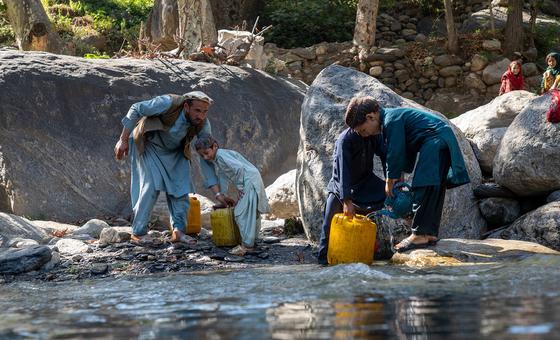
Many returnees are arriving in a country they may barely know or may never have visited. Some left Afghanistan as children or were born abroad, leaving them without established homes, jobs or support networks upon arrival. Their return adds demand for housing, food, water, healthcare, education and employment at a time when services are already under extreme strain.
“Many are forced to enter a country where they have never even stepped foot, and where they will face deep poverty, and inadequate food, clean water, and access to healthcare, education and employment,” Mr. Türk said.
An estimated 21.9 million people in Afghanistan, roughly 45 per cent of the population, require humanitarian assistance. Yet international financial support is declining, reducing the ability of aid organizations to meet urgent needs. When humanitarian funding contracts, the effects are felt quickly by families who rely on food aid, health services, clean water programmes and support for displaced people.
The crisis is therefore not limited to one group or one policy. Restrictions on rights, economic hardship, forced returns and diminishing aid are combining to create a more difficult environment for a large share of the population. The consequences are especially acute for those who have already been pushed to the margins.
“I implore all States to reconsider their actions, and to put the lives of the suffering population first,” Mr. Türk stressed.
The appeal is directed both at governments considering returns of Afghan nationals and at the wider international community. Protecting Afghans requires sustained humanitarian support, attention to human rights and policies that do not send vulnerable people into conditions of severe deprivation. As the country’s challenges deepen, the cost of global indifference is increasingly borne by ordinary Afghan families.
Related Reading
Frequently Asked Questions
What is Plight of Afghans going from bad?
Plight of Afghans going from bad is the main topic of this guide. The article explains the context, practical details, and next steps readers should understand.
Why does Plight of Afghans going from bad matter?
Plight of Afghans going from bad matters because readers are looking for a useful answer, not just a short summary. Good content should match search intent and help them decide what to do next.