Ex-Combatants Turn to Public Health as Ebola Grips Eastern Congo
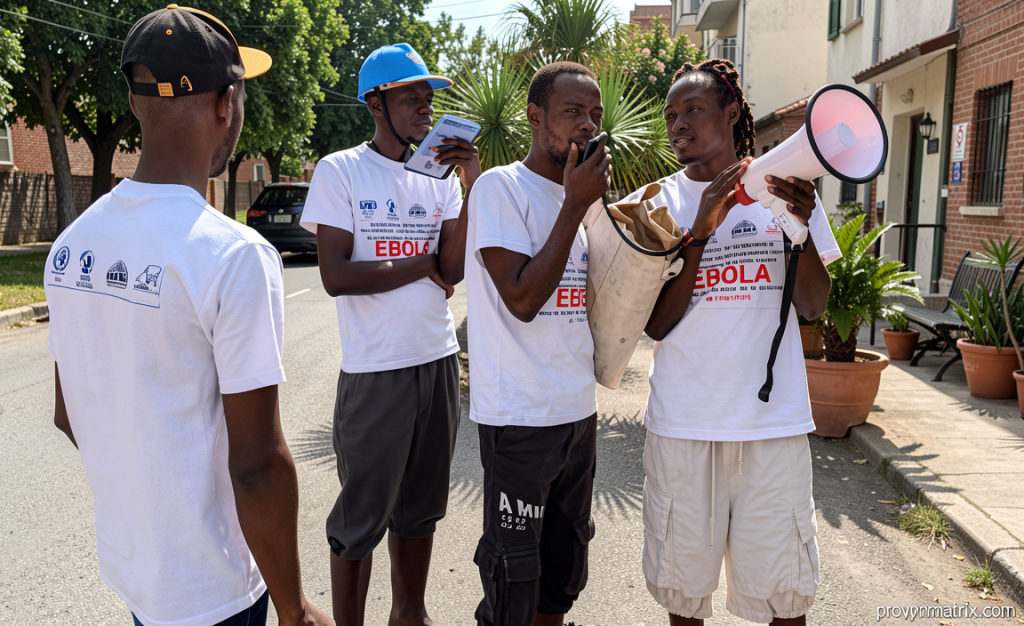
Provpnmatrix.com – In the eastern reaches of the Democratic Republic of the Congo, where armed conflict has scarred communities for decades, a new kind of frontline has emerged. Twenty-seven men who once carried rifles for rebel factions now carry information packs and prevention guidelines into markets, town squares, and livestock-adjacent work sites, urging neighbours to wash their hands, watch for fever, and report any suspected case to local clinics. Their assignment: slow the advance of an Ebola outbreak that has already claimed roughly 2,000 lives nationwide and is poised to become the deadliest epidemic the country has ever recorded.
A Virus Without a Ready Vaccine
The strain responsible for the current wave is the Bundibugyo species of Ebola virus, a subtype for which no vaccine has yet received full regulatory approval. That gap leaves health workers and communities relying on the oldest tools in epidemic control: rapid case detection, isolation of the sick, safe burial practices, and sustained public education. The absence of a proven immunisation strategy means every day of delay in community awareness translates directly into additional deaths.
The outbreak has already crossed into a sixth province within the country’s borders, and its trajectory raises alarm beyond the Congo’s own frontiers. Neighbouring South Sudan, which shares porous borders and seasonal trade routes with the eastern DRC, faces a credible risk of importation if containment falters further. Poor road networks, seasonal flooding, and limited primary-care coverage in remote areas compound the difficulty of reaching isolated villages before the virus establishes new transmission chains.
Years of Instability Set the Stage
It is no coincidence that the hardest-hit regions are also those most battered by decades of low-intensity warfare. Rebel groups in Ituri, North Kivu, and South Kivu have clashed repeatedly with Congolese government forces, displacing millions and fracturing the social fabric that public-health messaging depends upon. When trust in institutions is thin, a stranger in a uniform telling residents to report a neighbour’s fever may be met with suspicion rather than cooperation. Former combatants, by contrast, already know the language, the kinship networks, and the informal power structures of their home communities. Their presence at the centre of a market or beside an animal-feed production site carries a credibility that outside health workers often lack.
From Demobilisation to Deployment
The United Nations peacekeeping mission in the country, MONUSCO, has long supported structured demobilisation programmes that help former fighters transition into civilian life. In this latest iteration, that transition takes an unexpected but pragmatic form. After completing a focused training module covering Ebola prevention protocols and the clinical signs that should trigger a suspect-case report, the twenty-seven men were dispatched to high-traffic locations across the Tchomia locality in Ituri Province. Their beats include the central market, the town centre, and a nearby animal-feed production site—places where hundreds of people pass daily and where a single missed symptom could seed a new cluster.
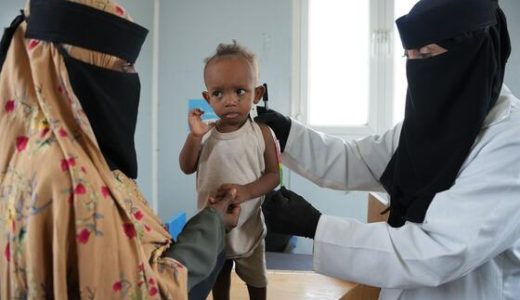
Their daily messages are straightforward: wash hands frequently with soap or ash, recognise the early signs of Ebola (sudden fever, muscle pain, sore throat, diarrhoea, vomiting), and contact health authorities without delay if anyone in the household shows those symptoms. They do not diagnose; they orient. Their role is to shorten the gap between a household noticing something wrong and a clinic acting on it.
“The idea here is to make these former combatants and community members active participants in the fight against Ebola,” said Florent Nzama, coordinator of a local NGO network operating in the area.
A Dual Mandate: Health and Stabilisation
For MONUSCO, the deployment is not merely a public-health intervention. The mission frames it as serving two objectives simultaneously: responding to an acute epidemic emergency while reinforcing the social stabilisation that demobilisation programmes are designed to produce. When a former fighter is seen helping a neighbour understand how to protect their family, the message extends beyond the virus. It signals that post-conflict life can include contribution, purpose, and standing within the community rather than marginalisation or a return to arms.
“This action illustrates their involvement in community life after demobilization,” a MONUSCO representative explained.
Why the Timing Matters
The convergence of a fast-moving epidemic, fragile infrastructure, and a population still adjusting to the end of active fighting creates a narrow window in which community-level messaging can alter the curve of transmission. If former combatants can sustain their presence in public spaces for weeks rather than days, they become a persistent reminder that prevention is a daily practice, not a one-time announcement. For a region where the next outbreak may arrive before the roads are repaired or the clinics are fully staffed, that persistence could be the difference between a contained cluster and a regional catastrophe.
The 2,000 deaths already recorded underscore the stakes. Each additional province the virus reaches multiplies the logistical challenge. And each former fighter who chooses to stand in a market square rather than a forest clearing represents a small but concrete step toward the stabilisation that eastern Congo has sought, without success, for more than twenty years.
Related Reading
Frequently Asked Questions
What is Former rebel fighters join campaign against?
Former rebel fighters join campaign against is the main topic of this guide. The article explains the context, practical details, and next steps readers should understand.
Why does Former rebel fighters join campaign against matter?
Former rebel fighters join campaign against matters because readers are looking for a useful answer, not just a short summary. Good content should match search intent and help them decide what to do next.