‘Grave concern’ after dozens of women arrested in Afghanistan for dress violations
Grave concern after dozens of women – The United Nations’ Gender Equality agency, UN Women, has voiced deep apprehension over the recent arrests of at least 30 women in Herat, Afghanistan, for allegedly breaching the dress code regulations enforced by the Taliban administration. These detentions, which took place last weekend, have sparked alarm within the international community, with UN independent human rights experts highlighting the escalating challenges women face under the current regime.
Strict Dress Code Enforcement
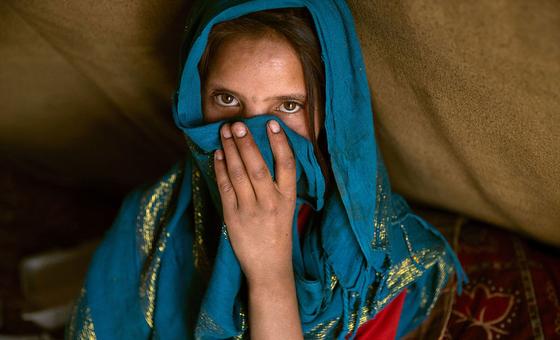
According to the UN human rights specialists, the women were accused of violating decrees that mandate the wearing of burkas or chadors with face masks, as well as a ban on the use of perfume. These rules, which have been increasingly enforced since the Taliban’s return to power, are seen as symbolic of broader restrictions on personal freedoms. The experts emphasized that the measures not only target women’s appearance but also their autonomy in daily life.
While the exact number of detainees remains under investigation, the arrests have drawn attention to the strict enforcement of traditional gender norms. The UN agency, which advocates for women’s rights and gender equality globally, warned that such actions threaten to undermine progress made in recent years. “The detention of women in Afghanistan has become a recurring issue, reflecting a systemic pattern of discrimination,” the experts stated in a recent statement.
Human Rights Crisis Intensifies
The incident in Herat comes amid a worsening human rights crisis for women in the country. Since the Taliban seized control on August 15, 2021, restrictions on education, employment, and public participation have tightened. Women have been barred from attending schools and universities, and many have been forced to leave their jobs, with their movements heavily monitored. These measures have been accompanied by a cultural campaign to reinforce traditional roles and practices.
Although some of the arrested women have since been released, the psychological impact of their detention persists. “The fear of being targeted for dress violations has deepened among women and girls, creating an environment of anxiety and compliance,” the UN Women agency warned. This climate of intimidation is compounded by the stigma attached to detention, which often leads to social isolation and heightened vulnerability to domestic violence.
Excessive Use of Force Reported
Adding to the growing concerns, UN Human Rights Council-appointed experts reported that Taliban security forces used excessive force during protests against the restrictive measures. On June 9, demonstrators gathered in Herat city to voice their opposition, and the security personnel allegedly responded with gunfire, beating some participants. At least two individuals, including a child, were killed, while over 20 others sustained injuries.
While the experts acknowledged that some protesters threw stones, they argued that such actions alone do not justify the use of lethal force. “The level of force applied during these confrontations far exceeds what is necessary, endangering the lives of civilians and escalating tensions,” the UN experts noted. This incident has raised questions about the Taliban’s adherence to international human rights standards.
International Obligations and Calls for Action
The UN experts stressed that the Taliban, as the de facto authority in Afghanistan, must uphold the international human rights treaties the country has ratified. They highlighted the importance of fundamental rights such as equality, freedom of expression, and the right to peaceful assembly in restoring trust among the population.
“The use of arbitrary detention and the imposition of harsh dress codes are incompatible with the principles of human rights,” said the experts. They urged immediate steps to reduce tensions, including the release of all detained individuals, the cessation of physical abuse, and the provision of medical care to those injured in the protests. Additionally, they called for an end to house searches and other forms of surveillance that infringe on privacy.
These demands come as the UN mission in Afghanistan, UNAMA, continues to monitor the situation. Georgette Gagnon, the UN Deputy Special Representative leading the mission, underscored the severity of the issue. “A woman’s detention in Afghanistan not only affects her personal dignity but also has far-reaching consequences for her family and community,” she remarked. The experts emphasized that such actions risk perpetuating a cycle of fear and marginalization.
Amid the ongoing crisis, the UN Women agency has reiterated its commitment to supporting women’s rights. “The Taliban’s policies must be reformed to ensure that women can exercise their basic rights without fear of punishment,” the agency stated. This call for reform is part of a broader effort to address the systemic challenges facing Afghan women.
Broader Implications and Future Outlook
The arrests and the use of force in Herat highlight the increasing pressure on women to conform to the Taliban’s vision of gender roles. With more than 30 women detained in a single incident, the pattern of enforcement is becoming more pronounced. The UN experts have warned that without intervention, the situation could worsen, leading to further restrictions on women’s freedoms.
“The stakes for women in Afghanistan have never been higher. Every arrest, every beat, and every restriction reinforces a culture of control,” the experts said. They called for a dialogue between the Taliban and international stakeholders to address these issues and prevent a deeper erosion of women’s rights. “If the Taliban continues to suppress dissent, it risks alienating the very people it seeks to govern,” the statement concluded.
As the situation evolves, the UN and its partners remain vigilant, working to support Afghan women and girls. The continued detention of women for dress violations is seen as a key indicator of the Taliban’s approach to enforcing gender norms. With the international community closely watching, the challenge remains to balance cultural traditions with fundamental human rights.