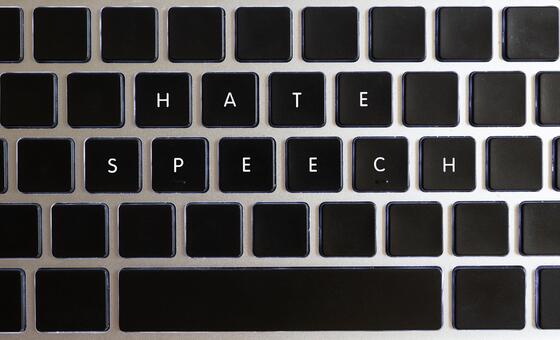
UN chief urges united response as online hate speech evolves
Provpnmatrix.com – Hate speech is spreading through increasingly sophisticated channels online, threatening social trust and placing already vulnerable communities at greater risk, UN Secretary-General António Guterres warned on Thursday.
Addressing the opening of a global conference on interreligious and cultural dialogue at UN Headquarters in New York, Mr. Guterres called on governments, technology firms, civil society, faith leaders, educators and the media to act together. His appeal focused on both the speed of digital communication and the enduring harm caused when prejudice is allowed to take root.
“In its worst forms, hate speech incites violence, drives conflict, and contributes to the perpetration of atrocity crimes – including genocide, crimes against humanity, war crimes, and ethnic cleansing.”
The Secretary-General said history offers repeated evidence of the danger. When people or communities are portrayed as less human, public hostility can become discrimination, persecution and violence. He cautioned that such patterns are not confined to the past.
“We have seen it happen before and we see it happening now. And we cannot let it continue.”
Technology expands the reach of harmful messages
While hatred has long undermined efforts to build peaceful societies, Mr. Guterres said its modern forms create urgent new challenges. Digital platforms can give harmful narratives wide exposure in a short period, while algorithms and artificial intelligence can shape how content is amplified, targeted and encountered by users.
“And today, its toxic message is spreading fast and striking deep.”
He said hate speech is appearing through new formats and routes, while emerging technologies are being turned into tools for spreading division. The concern is not only the volume of abusive material, but its potential to weaken empathy, normalize hostility and make discriminatory language seem acceptable in public life.
Mr. Guterres warned that this trend is testing a shared sense of humanity. It can corrode confidence between neighbors, fracture communities and encourage the dehumanization of entire groups. In practical terms, this makes dialogue harder and leaves societies less able to resolve disputes peacefully.
The UN chief pointed to a broad range of prejudice that must be confronted. Racism, misogyny and xenophobia, he said, are being celebrated in some spaces. Antisemitism, anti-Muslim hatred, discrimination targeting minority Christian communities, and hostility toward other religious and ethnic groups are also becoming normalized.
Dialogue and dignity must guide the response
The conference itself reflected the importance of sustained engagement across cultural and religious lines. Mr. Guterres recalled the commitment in the UN Charter for people to practice tolerance and live peacefully alongside one another as good neighbors. That aspiration, he said, requires more than condemning hate after it appears.
He urged participants to examine the underlying conditions that allow hateful ideas to gain influence, including their causes, drivers and consequences. Inclusive discussion among countries, cultures and religions should be strengthened, he said, with fairness and mutual respect at its center.
“We must raise our collective voice and reject hatred. And we must redouble our efforts to tackle hate speech, online and offline.”
Addressing online hate does not require abandoning fundamental freedoms, Mr. Guterres stressed. The challenge is to uphold freedom of expression while recognizing that speech may cause real damage when it promotes violence, discrimination or further harm against people because of their identity.
“Reining in hate speech does not mean extinguishing freedom of expression, but freedom of expression must never be an excuse for causing or compounding harm.”
This distinction is central to public debate about digital spaces. Open communication can support democratic participation, learning and cultural exchange, but it can also be exploited to intimidate people or deepen existing divisions. A credible response must protect legitimate expression while ensuring that calls for hatred and violence do not go unanswered.
Shared responsibility across society
Mr. Guterres said the international community has already developed tools intended to limit the impact of hate speech. He highlighted the UN Strategy and Plan of Action on Hate Speech, as well as the Plan of Action to Safeguard Religious Sites. Both initiatives recognize that prevention depends on cooperation among public authorities, communities and institutions.
Governments have responsibilities in shaping laws and public policy, while regional and multilateral organizations can support cooperation across borders. Technology companies hold significant influence over the systems through which information travels. Civil society groups, academics, journalists and faith communities can help identify harmful trends, promote accurate information and create opportunities for people to understand one another.
“Governments, regional and multilateral organizations, the private sector, and civil society – including faith communities, academia, and the media – have a shared responsibility to help build peaceful, just, and inclusive societies.”
For ordinary users of digital platforms, the message also carries a practical implication: the health of public conversation depends on choices made every day. Refusing to spread degrading material, challenging falsehoods responsibly and supporting respectful discussion can help reduce the space in which hate thrives.
Mr. Guterres closed by insisting that the task belongs to everyone. The goal is not merely to respond to individual incidents, but to break recurring patterns in which fear fuels hatred and hatred gives way to violence.
“We must work together to foster mutual understanding. To end the tragic cycles of fear, hatred, and violence. And to build the cohesive and stable societies envisioned in the Charter.”
Related Reading
Frequently Asked Questions
What is Guterres calls for action as hate?
Guterres calls for action as hate is the main topic of this guide. The article explains the context, practical details, and next steps readers should understand.
Why does Guterres calls for action as hate matter?
Guterres calls for action as hate matters because readers are looking for a useful answer, not just a short summary. Good content should match search intent and help them decide what to do next.