Washington Tightens Grip on The Hague: New Sanctions Target ICC Leadership
Provpnmatrix.com – The United States has once again turned its financial machinery against the International Criminal Court, this time freezing the assets of the court’s sitting president and a senior trial lawyer in what The Hague called an unprecedented assault on judicial independence. The move, announced by Secretary of State Marco Rubio on Tuesday, marks the latest escalation in a years-long confrontation between Washington and the tribunal that prosecutes the world’s most serious crimes.
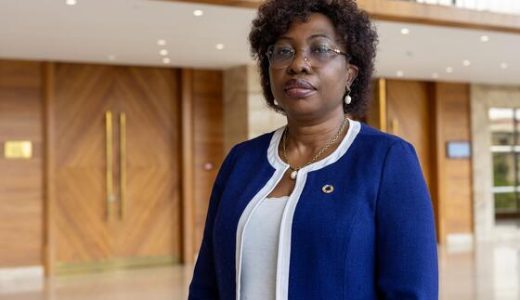
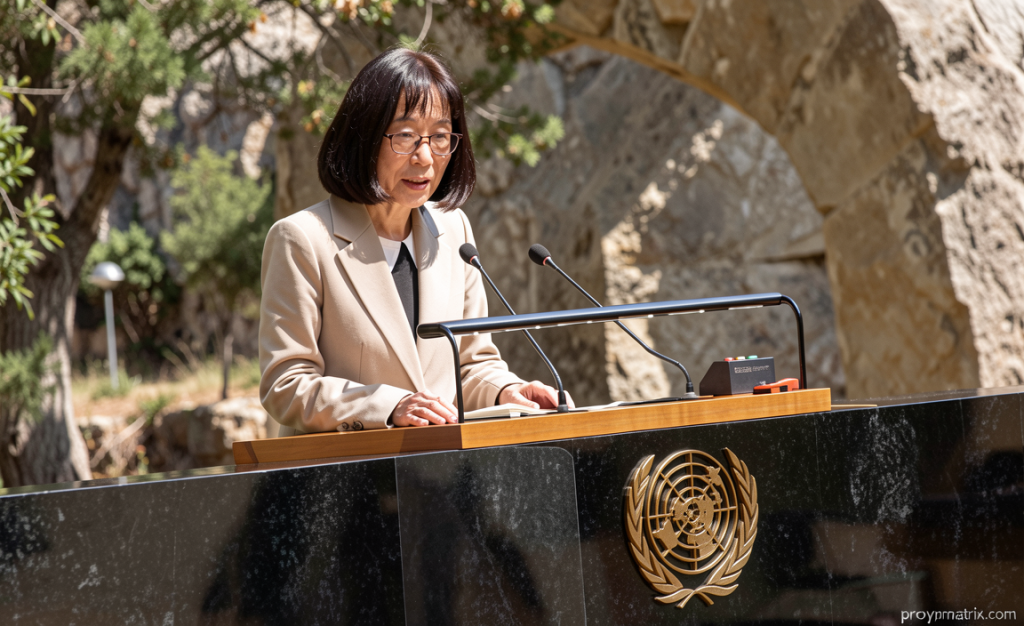
The sanctions specifically name ICC President Tomoko Akane and senior trial lawyer Abdoulaye Seye, adding them to a growing list of court officials already barred from transacting with American citizens and subjected to sweeping restrictions within the global financial system. In total, nine of the court’s eighteen judges, both deputy prosecutors, the former prosecutor, and one additional staff member now face these constraints.
A Court Built on Consent, Now Under Pressure
Founded in 2002 under the Rome Statute, the ICC operates as a standalone judicial body, distinct from the United Nations system, though the Security Council retains the power to refer cases to it. With the consent of states that have ratified the treaty, the court prosecutes individuals accused of genocide, war crimes, crimes against humanity, and the crime of aggression. Its jurisdiction rests entirely on the voluntary participation of its member states — a principle that Washington, which has never joined the Rome Statute, has long found uncomfortable.
The United States has repeatedly voiced the concern that the tribunal could one day reach American citizens for grave offences allegedly committed in countries that, unlike the US, recognise the court’s authority. That fear has animated a series of punitive measures spanning two presidential terms of Donald Trump, culminating in Rubio’s declaration on 13 July that Washington intended to “dismantle” what it characterised as the court’s threat to American sovereignty.
The Specifics of the Latest Round
Media reporting indicates that Mr. Seye played a role in the court’s investigation into Israeli funding of settlements deemed illegal in the West Bank, as well as the alleged distribution of weapons to settlers. That probe sits alongside the more widely known November 2024 arrest warrants issued under former prosecutor Karim Khan against Israeli Prime Minister Benjamin Netanyahu and former defence minister Yoav Gallant, alleging war crimes connected to the war against Hamas in Gaza.
Washington had previously sanctioned Mr. Khan himself, who has since been dismissed from his post. The cumulative effect of successive sanction rounds has been to isolate a substantial portion of the court’s leadership from the dollar-based financial infrastructure on which international institutions depend.
“The Trump Administration has been clear: the International Criminal Court is a corrupt and fatally politicised supranational court that has maliciously abused its authority and exceeded its mandate,” Mr. Rubio wrote in a statement accompanying the new designations.
The Hague Pushes Back
On Wednesday, the ICC issued a statement describing the latest measures as a direct strike at the institution’s ability to function. The court’s language was pointed and unambiguous:
“These sanctions are a flagrant attack against the independence of an impartial judicial institution which operates pursuant to the mandate conferred by its States Parties from across regions.”
The court went further, warning that the broader consequences extend well beyond its own personnel. When judges face financial coercion for applying the law, the institution argued, the entire architecture of international legal order is placed at risk. Victims of atrocity crimes, who turn to the court after every other avenue of redress has been exhausted, are likewise deprived of their last institutional recourse.
“Threats and coercive measures also impact the ability of victims to seek justice, as they turn to the court when all other avenues have been exhausted,” the ICC wrote.
The court affirmed its solidarity with its own staff and with victims of what it termed “unimaginable atrocities,” and pledged to continue carrying out its mandate “with independence and impartiality.” It also acknowledged the “consistent demonstrations of solidarity of States Parties, civil society and all those who support the rule of law and justice for the victims of international crimes,” adding that it would proceed “with all partners and with the unwavering support of its States Parties, to ensure the effective and independent implementation of its mandate.”
New York’s Position
UN Spokesperson Stéphane Dujarric told reporters on Wednesday that Secretary-General António Guterres was “seriously concerned” by the latest US action as well as the ongoing designation of other court employees. He stressed the institutional distinction between the two bodies while underscoring their functional interdependence.
“While the United Nations and the International Criminal Court are separate institutions, with separate and distinct mandates, as we often said, the United Nations considers the ICC a key pillar of international criminal justice and the Secretary-General very much respects its work,” Mr. Dujarric said.
What Comes Next
The confrontation now sits at a critical inflection point. US officials, including Mr. Rubio, have defended the sanctions by asserting that certain investigations and arrest warrants issued by the court have been politically motivated and that its jurisdictional reach infringes upon national constitutional systems. The ICC, for its part, frames the dispute as one about the survival of an independent judicial mechanism in an era when powerful states increasingly prefer to adjudicate international disputes through executive decree rather than through courts.
For the roughly 125 states that have ratified the Rome Statute, the question posed by Washington’s actions is no longer abstract: if a single non-member state can effectively paralyse the court’s leadership through financial sanctions, the practical reach of international criminal justice narrows with every new designation. The court’s stated commitment to continue its work regardless of pressure will be tested in the months ahead, as its remaining judges and prosecutors navigate a financial environment shaped in part by the very state whose citizens it may one day be asked to try.
Related Reading
Frequently Asked Questions
What is International Criminal Court?
International Criminal Court is the main topic of this guide. The article explains the context, practical details, and next steps readers should understand.
Why does International Criminal Court matter?
International Criminal Court matters because readers are looking for a useful answer, not just a short summary. Good content should match search intent and help them decide what to do next.