Myanmar: Aid Decline Compounds Suffering Amid Ongoing Military Attacks
Myanmar – The United Nations human rights office, OHCHR, has issued a stark warning that the dwindling flow of humanitarian aid is intensifying the plight of millions of civilians in Myanmar, five years into a conflict marked by relentless violence. The report, released on Monday, highlights how reduced international support has left communities increasingly vulnerable, despite the military’s continued efforts to target civilians and disrupt essential services.
Foreign Support and Dual-Use Supplies
According to the findings, foreign entities persist in delivering arms, ammunition, and dual-use materials—such as jet fuel—to the military, which could be enabling further breaches of international human rights and humanitarian law. This sustained flow of resources not only sustains the military’s operations but also raises concerns about their capacity to escalate attacks without immediate repercussions. The UN report underscores that these contributions risk undermining efforts to curb the cycle of violence and protect those most affected.
Despite the ongoing conflict, the military has maintained control over key infrastructure and political processes, including the recent elections. The report examines the period from August 2025 to January 2026, a time when the military’s influence remained dominant, and highlights the systematic denial of aid to civilians. This neglect has left vulnerable populations with fewer options to survive, as basic necessities like food, clean water, and medical care become increasingly scarce.
Impact on Civilian Protection Efforts
The report emphasizes that the erosion of foreign aid has dealt a severe blow to locally organized initiatives aimed at shielding civilians from harm. These efforts, which rely heavily on external funding, have been forced to scale back or cease entirely. For instance, ethnic media outlets, which play a critical role in disseminating information to marginalized communities, have faced significant cuts in resources. Similarly, women’s organizations and educational programs have been disproportionately affected, with many initiatives now operating on limited budgets or being abandoned altogether.
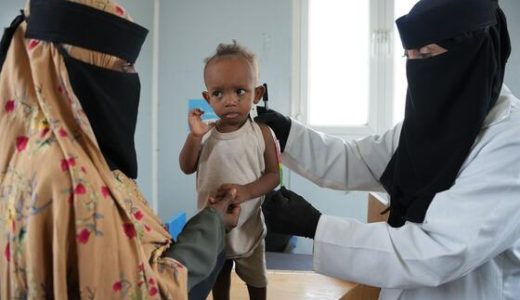
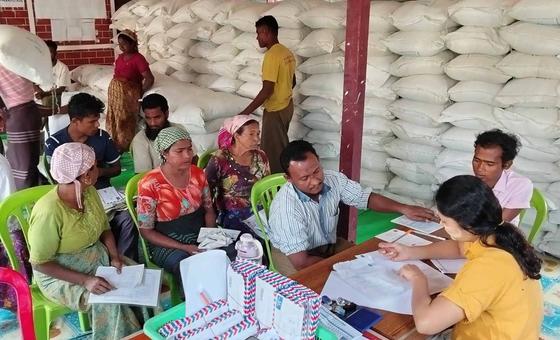
One of the most pressing consequences is the reduction in assistance for displaced individuals. As the conflict rages on, thousands have fled their homes, but the lack of sustained aid has left them without adequate shelter or sustenance. The report notes that this has led to a breakdown in the distribution of essential supplies, including medicine and food, which are vital for sustaining life in areas under military siege. Additionally, psychosocial support services, which help trauma survivors rebuild their lives, have been cut or suspended, leaving many without access to critical emotional and mental health resources.
Human Rights Violations and Military Actions
Throughout the reporting period, the military has been implicated in a series of serious human rights violations, including targeted airstrikes and indiscriminate attacks that have claimed hundreds of civilian lives. Credible sources have documented at least 702 deaths, with the majority occurring in central regions and Rakhine state. Of these, 476 were attributed to airstrikes, a figure that has grown significantly since the start of the voting period in December 2025. Notably, 111 of these fatalities occurred before the election cycle began, indicating that the violence has been relentless even as political processes unfolded.
The UN report also highlights the degradation of emergency healthcare systems due to military blockades and funding shortages. With hospitals and clinics struggling to maintain operations, patients face longer wait times and limited access to life-saving treatments. The disruption of medicine supply chains has further exacerbated the situation, creating a crisis for those with chronic illnesses or injuries sustained during attacks. This decline in healthcare access has been compounded by the closure of safe houses for survivors of sexual and gender-based violence, leaving them exposed to additional risks and trauma.
Voices of Concern from the High Commissioner
“Predictable funding is essential to strengthen civilian protection initiatives,” the report states, echoing the sentiments of the UN High Commissioner for Human Rights, Volker Türk. In a recent statement, Türk expressed deep frustration over the growing neglect of Myanmar’s civilian population, noting that the reduction in aid has not only hindered immediate relief efforts but also eroded long-term resilience in affected communities.
Türk’s remarks underscore the urgency of the situation, as he lamented the apparent abandonment of Myanmar’s people by the international community. “As if the people of Myanmar have not suffered enough at the hands of the military, they have now seemingly been forgotten by those outside the country,” he said, emphasizing that the cuts in funding have left local groups with little capacity to respond to the escalating crisis.
He further warned that the decline in aid has forced civil society organizations to make drastic cuts, with some programs entirely halted. “Funding for localised protection efforts was in many areas the only solace from the suffering caused by constant targeting and indiscriminate attacks by the military. This pullback just compounds that injury,” Türk added, calling for an immediate restoration of aid flows and a commitment to safeguarding civilian lives.
Local Mechanisms and the Path Forward
While the report acknowledges the challenges facing local protection mechanisms, it also highlights their resilience in the face of adversity. These grassroots efforts, often led by community leaders and activists, have demonstrated that even in the most dire circumstances, some level of protection is achievable through trust, cooperation, and shared responsibility. However, the UN warns that these mechanisms remain fragile and require urgent international support to function effectively.
The report concludes with a strong call to action, urging the international community to prioritize humanitarian access and restore funding to programs that have been scaled back. It stresses the importance of maintaining consistent aid to ensure that vulnerable populations can access food, clean water, medicines, and other essential services. Without this support, the report suggests that the suffering in Myanmar will only continue to deepen, with long-term consequences for both the civilian population and the country’s social fabric.
As the conflict persists, the humanitarian situation in Myanmar grows more precarious. The UN’s findings serve as a reminder of the interconnectedness between military actions, foreign aid, and the well-being of civilians. With each passing month, the absence of sustained international support leaves communities more exposed to harm, amplifying the impact of violence and reducing their ability to recover. The report’s release comes at a critical juncture, highlighting the need for a renewed commitment to aid and peace in a country that has endured years of turmoil.