UN Report Highlights Surge in Sexual Violence in Sudan Conflict
Report details widespread use of sexual – The United Nations has released a fresh human rights report detailing the alarming prevalence of sexual violence as a weapon of war in Sudan since the conflict began in April 2023. The document underscores the devastating toll on individuals, families, and communities, emphasizing how these acts of brutality have become a systemic feature of the ongoing violence.
Verified Incidents and Victims
According to the report, the Office of the UN High Commissioner for Human Rights (OHCHR) documented 546 instances of sexual violence across 16 of Sudan’s 18 states between the outbreak of the conflict and mid-April of this year. These cases affected at least 838 individuals, with 823 being women and girls. Despite this, the figures are described as merely the surface of a far larger issue, with the report stating that the data represents “the tip of the iceberg.”
Sexual Violence as a Weapon
The UN investigation reveals that sexual violence has become deeply intertwined with the conflict, spreading through areas affected by fighting and displacement. It is often employed as a tool to instill fear, disrupt communities, and perpetuate trauma among civilians. The report warns that without urgent action, this pattern could erode peace and social stability in Sudan for years to come.
“Unless the patterns and impacts of conflict-related sexual violence are addressed through justice, victim-centred responses and efforts to tackle stigma and discrimination, peace and social cohesion in Sudan risk being undermined for years to come,” the report stated.
Patterns of Atrocities
Sexual violence is not only a standalone act but also part of a broader strategy to control civilian populations. The report identifies recurring tactics, including the use of rape to restrict movement, abductions tied to sexual exploitation, and the perpetration of violence in detention facilities. In Darfur, there are indications that certain incidents may qualify as crimes against humanity, given their widespread and systematic nature.
Perpetrators and Forms of Abuse
The report attributes most verified cases to men wearing Rapid Support Forces (RSF) uniforms, affiliated fighters, and Arab militias. However, the Sudanese Armed Forces, their security allies, Joint Forces, and other armed groups are also implicated. The documented abuses include rape, gang rape, sexual slavery, forced marriage, forced prostitution, sexual torture, and trafficking for the purpose of sexual violence. Gang rape, in particular, accounts for nearly a quarter of all verified incidents, with one case involving the rape of a girl by at least 10 individuals.
Impact on Survivors
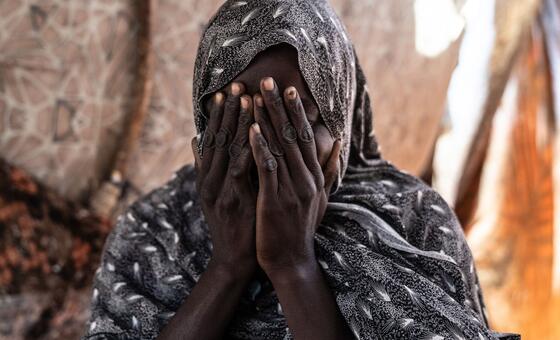
Survivors of sexual violence face severe medical and psychological consequences. The report notes that many experienced life-threatening complications, exacerbated by the lack of functioning healthcare infrastructure in conflict zones. At least 59 women and girls became pregnant or gave birth after being raped, while 13 victims—women, men, and children—lost their lives, often as a result of brutal gang assaults. The youngest among them was just nine years old.
Targeted Ethnic Attacks
In West Darfur, survivors shared harrowing accounts of ethnic targeting. Attackers reportedly asked about their tribe before committing sexual violence, using it as a means of punishment and domination. One victim recalled being told in 2023: “This year, all of you Masalit girls will deliver our children.” Another survivor said: “If you are Masalit, we will slaughter you today.” These statements highlight how sexual violence is weaponized to reinforce ethnic divisions and intimidate vulnerable groups.
Call for Justice and Accountability
UN High Commissioner for Human Rights Volker Türk emphasized the gravity of the findings, noting that they align with his earlier warnings from a January visit to Sudan. He described sexual violence as a war crime and, when part of a systematic campaign, as a crime against humanity. “Persistent impunity is clearly deepening harms and reinforcing cycles of violations and abuses,” Türk said, urging the warring parties to ensure accountability for perpetrators.
“All perpetrators, including those exercising command responsibility, must be held fully accountable, and victims must be guaranteed access to effective remedy, including reparation,” Türk added.
Systemic Challenges and Regional Trends
The report highlights the systemic nature of sexual violence, linking it to the broader conflict dynamics. In regions like Darfur, the violence has not only targeted individuals but also shaped the lived experiences of entire communities. The lack of justice mechanisms and the stigma surrounding victims further compound the suffering, often leaving survivors without support or redress.
Steps Toward Resolution
OHCHR has called for immediate, independent investigations into all reported cases of sexual violence. These efforts are crucial to establishing the full scope of the atrocities and identifying those responsible. The organization also urges the warring parties to implement concrete measures to prevent such abuses, including protecting civilians and ensuring access to healthcare and legal services for survivors.
As the conflict continues, the report serves as a stark reminder of the human cost of war. It emphasizes the need for international attention, alongside local and regional cooperation, to address the crisis. Without swift action, the legacy of sexual violence could extend far beyond the immediate casualties, shaping the future of Sudan’s social fabric and political landscape.
Broader Implications
Sexual violence in Sudan is not isolated but part of a larger trend of gender-based atrocities in conflict zones. The report underscores how these acts are often used to destabilize communities and justify further aggression. By highlighting the specific experiences of the Masalit people and other ethnic groups, it stresses the importance of recognizing sexual violence as a deliberate strategy in warfare. The UN’s findings also serve as a catalyst for renewed advocacy, urging governments and organizations to prioritize victim support and justice mechanisms in the region.
Looking Ahead
With the war in Sudan entering its second year, the need for sustained efforts to combat sexual violence has never been more urgent. The report details how survivors are often left to navigate both physical and emotional trauma without adequate assistance. The UN has called for measures to restore dignity to victims, including psychological care, economic support, and legal protection. These steps are vital to breaking the cycle of violence and fostering long-term recovery in a country already grappling with immense challenges.
As the conflict persists, the report serves as a critical tool for documenting the scale of the crisis and holding perpetrators accountable. It also highlights the resilience of survivors, who continue to bear the brunt of the violence while advocating for change. The UN’s findings underscore that sexual violence is not just an incidental act but a calculated tool of warfare, demanding comprehensive responses to protect the most vulnerable and restore hope in Sudan’s future.