UN agencies step up Ebola response in eastern DR Congo
UN agencies step up Ebola response – The United Nations has intensified its efforts to address the recent surge in Ebola cases in the eastern regions of the Democratic Republic of the Congo (DRC). Rapid deployment of emergency resources, including medical kits, protective gear, and logistical assistance, has been prioritized to aid local authorities in managing the crisis. This coordinated action marks a critical phase in the global fight against the virus, which has reemerged with alarming speed in a region already grappling with complex challenges.
WHO leads medical supply surge
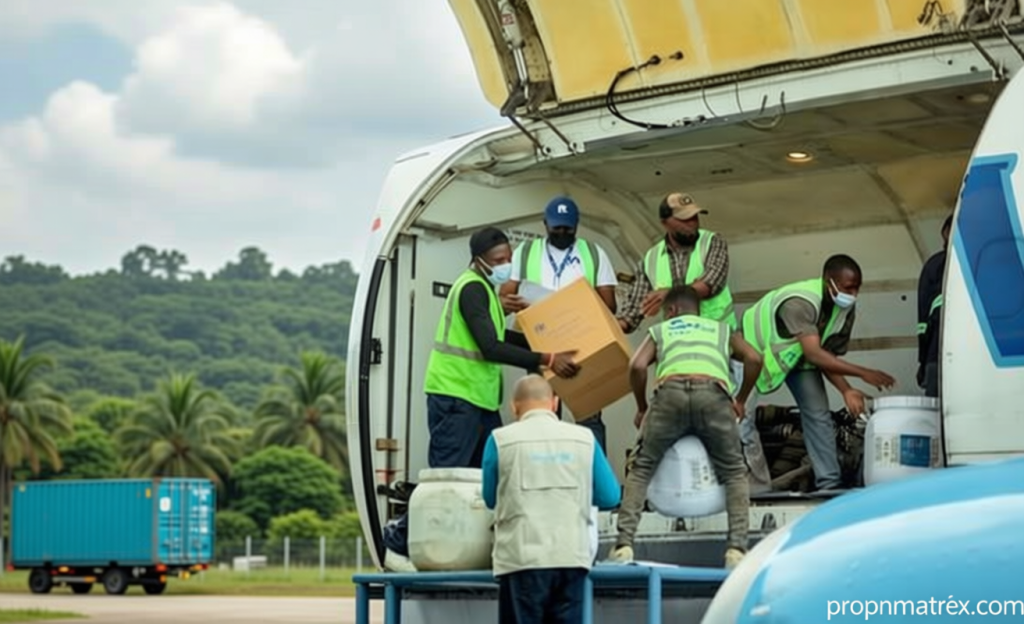
Within days of the outbreak’s announcement, the World Health Organization (WHO) took immediate steps to supply essential materials to affected areas. By May 18, nearly 11.5 tonnes of equipment had been transported from Kinshasa, the capital, and regional depots in Dakar and Nairobi. The supplies included personal protective equipment, temporary shelters, and tools for diagnosing and treating patients. Additional items such as hand sanitizers, water purification tablets, and hygiene kits were also dispatched to curb the spread of the virus and improve care for those infected.
“Collaboration with partner organizations and the private sector has been crucial in ensuring a swift and effective response,” stated a WHO spokesperson.
The agency emphasized the importance of joint efforts in containing the outbreak, highlighting how partnerships have enabled the rapid distribution of resources. This work is vital as health officials in both the DRC and Uganda scramble to manage the escalating situation. The UN’s involvement underscores a broader commitment to safeguarding communities and reinforcing preparedness for future health emergencies.
MONUSCO supports emergency logistics
The United Nations peacekeeping mission in the DRC, MONUSCO, has played a pivotal role in bolstering the logistical infrastructure needed for the response. Following the outbreak’s declaration on May 15 in Ituri province, the mission quickly mobilized air resources to facilitate the movement of critical supplies. Starting on Sunday, MONUSCO established an air corridor to transport WHO materials from Nairobi to Bunia, the provincial capital. This initiative, dubbed an “air bridge,” has significantly improved the speed and efficiency of aid delivery.
In tandem with aerial operations, ground teams were deployed to enhance local operations. Four trucks and two motorbikes were sent to Bunia to assist with distribution and coordination. By Wednesday, the mission had successfully transferred nearly 30 tonnes of supplies to the city, a major milestone in the effort to support containment efforts. These actions reflect MONUSCO’s broader mandate to protect civilians and ensure the smooth functioning of humanitarian operations.
“These initiatives aim to enhance community preparedness, reduce panic, and protect vulnerable populations, in line with MONUSCO’s civilian protection mandate,” the UN mission added.
Peacekeepers are also engaging directly with communities to educate residents on preventive measures. On Monday, teams in Tchabi, a town located 120 kilometers from Bunia, conducted awareness sessions for dozens of locals. Topics covered included the importance of handwashing, the correct use of masks, and the dangers of consuming bush meat. A similar campaign followed in Fataki, targeting displaced families and nearby villages. These outreach efforts are designed to foster trust and encourage proactive measures against the virus.
Humanitarian crisis deepens with Ebola resurgence
The current outbreak has exacerbated an existing humanitarian crisis in eastern DR Congo, where conflict and displacement have long disrupted access to basic services. The World Food Programme (WFP) warned that the epidemic is hitting communities at a particularly vulnerable time, as over 26.5 million people across the country already face severe food shortages. This includes 10 million individuals in Ituri and three other provinces, many of whom have been forced from their homes due to ongoing instability.
Ituri province, the epicenter of the outbreak, is especially hard-hit. More than 1.7 million residents—over a third of the population—are now living in conditions of crisis or worse hunger. The WFP highlighted the urgency of their situation, noting that the region’s operational areas have become central to the broader health response. “The epicenter of the current health crisis is in the heart of WFP’s operational areas of eastern DR Congo, positioning us to play a key role in supporting the overall response,” the agency explained.
WFP is already working to provide essential aid to frontline workers, ensuring they can operate safely in high-risk zones. The agency is also transporting goods to remote locations, where access remains limited. With over $214 million required to sustain operations nationwide, and an additional $10 million earmarked specifically for the Ebola response, the need for continued funding and support is clear.
UNICEF focuses on children’s well-being
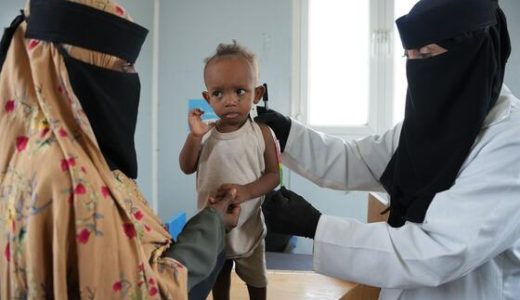
Meanwhile, the UN’s child rights agency, UNICEF, has raised alarms about the disproportionate impact of the outbreak on young people. Children, the spokesperson noted, are particularly at risk due to disruptions in education, loss of family members, and exposure to stigma. The agency’s efforts have included distributing nearly 50 tonnes of supplies, such as disinfectants, hygiene products, and water storage solutions, to vulnerable populations.
UNICEF is also preparing an Emergency Rapid Response team to arrive in Bunia. This team will provide technical expertise in critical areas like communication and community engagement. The mission aims to ensure that children receive targeted support, both in terms of immediate health needs and long-term psychosocial care. “Children are especially vulnerable to the impacts of Ebola outbreaks, including disruptions to essential services, loss of parents and caregivers, stigma, psychosocial distress, and increased protection risks,” UNICEF reiterated.
The combined efforts of the UN and its partners highlight the multifaceted nature of the response. While MONUSCO focuses on logistics and community outreach, the WHO and WFP address medical and food security needs. UNICEF, meanwhile, ensures that the unique challenges faced by children are not overlooked. This integrated approach is crucial in mitigating the outbreak’s effects and building resilience among affected populations.
As the situation evolves, the UN agencies continue to adapt their strategies. The rapid mobilization of resources demonstrates a commitment to action, but challenges remain. With over 2,000 community health workers already active, the need for further training and equipment is pressing. The success of containment efforts will depend on sustained collaboration, local engagement, and timely financial backing. The global community’s support is therefore not only vital but indispensable in this fight against a virus that threatens both health and stability in eastern DR Congo.