The Plastic Dilemma: A Growing Threat to Our Oceans
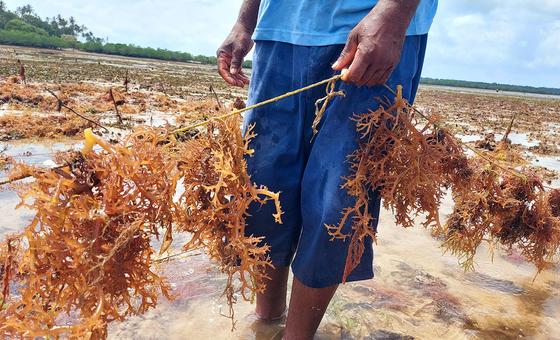
Why sustainable alternatives to plastic are struggling – Every year, millions of tons of plastic waste infiltrate the world’s oceans, endangering marine ecosystems and wildlife. Despite the urgent need for eco-friendly solutions, sustainable alternatives such as seaweed-based materials remain hindered by economic and regulatory barriers. These include tariffs, inconsistent regulations, and the entrenched dominance of fossil fuel-derived plastics in global markets. While innovations in material science and packaging have emerged, they face significant challenges in gaining traction against conventional plastics.
The Recycling Conundrum
Less than 10% of all plastics produced are successfully recycled, leaving the majority to accumulate in landfills or flow into waterways. This waste eventually reaches the ocean, where it persists for centuries, harming over 4,000 marine species. For example, a blue whale can ingest up to 10 million microplastic fragments daily, equivalent to approximately 43 kilograms of the tiny pollutants. Such statistics underscore the scale of the crisis, with plastic waste now a pervasive force in global environmental degradation.
International Push for a Global Plastics Agreement
Efforts to address this crisis have led to a worldwide initiative aimed at establishing a comprehensive plastics treaty. The latest World Ocean Assessment, released on Monday, emphasizes that material innovation, reducing single-use plastics, and curbing overall production are critical to mitigating the problem. After six years of discussions, the international community is nearing a pivotal moment, with the next round of talks set for March 13 to 24, 2027. This treaty could potentially regulate plastic production and create a framework to slow the industry’s expansion, which totaled over $1.1 trillion in 2023.
Barriers to Sustainable Materials
One of the primary obstacles preventing sustainable alternatives from gaining widespread acceptance is their cost competitiveness. Even though the global trade in plastic substitutes reached $485 billion in 2023, the sector still requires substantial support to thrive. UNCTAD highlights that differences in tariffs and regulatory policies create a lopsided playing field for these materials. For instance, plastic and rubber products now face tariffs as low as 7.2%, a sharp decline from 34% over the past three decades. In contrast, alternatives like paper, bamboo, and seaweed encounter average tariffs nearly double that rate, at 14.4%. This disparity makes it harder for eco-friendly options to become mainstream.
“The key barrier is an uneven national and trade policy field,” stated the UN Trade and Development agency (UNCTAD). “This unevenness undermines the potential of sustainable materials to replace conventional plastics.”
UNCTAD also points out that plastics have benefited from decades of market development, including scalable infrastructure and favorable trade conditions. This has allowed the industry to dominate, even as production continues to rise. Meanwhile, sustainable alternatives must overcome fragmented regulations, limited access to global markets, and the lack of consistent incentives to support their adoption.
Biodegradation Challenges in Natural Environments
Another major hurdle for sustainable materials is their performance in real-world conditions. While many biodegradable plastics are designed to break down under industrial composting systems, they often struggle to decompose in the ocean. Ian Butler, chief editor of the World Ocean Assessment, warned that “many of these materials only degrade effectively in controlled environments with specific temperature, moisture, and microbial conditions. In the ocean, their behavior can be unpredictable.”
“The belief that these biodegradable and plant-based plastics are the solution is giving the impression that the problem has been solved,” added Mr. Butler. “But the reality is far more complex.”
This issue is compounded by concerns about land use. Some plant-based plastics compete with food crops for agricultural space, potentially leading to unintended environmental consequences. As the demand for alternatives grows, there is a risk that their production could displace food supplies, raising questions about their overall sustainability. These factors highlight the need for a more nuanced approach to reducing plastic dependence.
Steps Toward a Sustainable Future
UNCTAD outlines several key strategies to help sustainable materials gain momentum. These include investing in new materials, implementing policies that reward environmentally beneficial products, and creating incentives for sustainable production. While these measures may initially increase costs, the agency argues that long-term environmental and socioeconomic gains—such as job creation, reduced foreign-exchange dependence, and regional development—will offset these expenses.
Currently, nearly all plastics are derived from fossil fuels, making their cost highly sensitive to energy and petrochemical price fluctuations. A recent surge in polyethylene resin prices in Europe illustrates this vulnerability. Between February and April 2026, the cost of polyethylene resin—commonly used in packaging—jumped by an estimated 70 to 80%. This price volatility could shift the market dynamics in favor of sustainable alternatives if it persists, as higher plastic costs make eco-friendly options more attractive.
Ben Taylor, a representative of Notpla, a UK-based company collaborating with UNCTAD, noted that the challenge lies in “transforming a global packaging system built around cheap, fossil-fuel-based plastics.” He emphasized that the transition to sustainable materials requires systemic changes, including rethinking supply chains and consumer habits. “If we can make plastics more expensive, that could create a tipping point for alternatives,” he said, underscoring the importance of economic factors in driving environmental progress.
Global Cooperation and Market Forces
As the world grapples with the plastic crisis, the role of international cooperation becomes increasingly vital. The upcoming 2027 negotiations represent a crucial opportunity to align global policies and create a level playing field for sustainable materials. Meanwhile, market forces such as price increases and supply chain disruptions may naturally accelerate the shift toward alternatives, even without formal agreements.
UNCTAD’s analysis suggests that a combination of policy reforms and market shifts could enable sustainable alternatives to challenge plastics on a larger scale. By addressing tariffs, streamlining regulations, and fostering innovation, the industry may finally overcome its structural disadvantages. The success of this transition will depend on sustained efforts to balance economic viability with environmental responsibility, ensuring that the next generation of materials can meet the demands of a rapidly changing world.
Conclusion: A Race Against Time
The path to reducing plastic pollution is not without obstacles, but the urgency of the crisis demands action. Sustainable alternatives offer a promising solution, yet their adoption hinges on overcoming economic and regulatory hurdles. As the global plastics treaty takes shape and fossil fuel prices fluctuate, the future of material innovation will be shaped by both policy and market trends. The coming years will determine whether these alternatives can emerge as viable replacements, curbing the long-term damage caused by conventional plastics and paving the way for a more sustainable future.