Women are not victims: Türk urges a central role in peace
Provpnmatrix.com – Women are not victims alone in times of war and instability. They are organisers, mediators, human rights defenders and peacebuilders whose experience must be placed at the centre of decisions on security, UN High Commissioner for Human Rights Volker Türk has said.
In a video address to the International Civil Society Action Network’s 2026 Forum on Women, Peace and Security in The Hague, Türk said women and girls continue to suffer disproportionately during conflict while remaining underrepresented in formal political and security processes.
He spoke against the backdrop of what he described as “seismic global shocks”, as armed conflicts affect millions of people. In 2024, an estimated 676 million women and girls lived within 50 kilometres of active conflict, the highest recorded number since the end of the Cold War.
The unequal impact of conflict
War exposes women and girls to serious and specific dangers, including conflict-related rape, abduction, trafficking and sexual slavery. Türk said women make up the overwhelming majority of survivors of these abuses.
“Women are the overwhelming majority of victims of conflict-related rape, abductions, human trafficking, and sexual slavery,” he said.
Those risks are often worsened by inequalities that already exist before violence begins. Limited access to healthcare, education, income and other resources can make it harder for women to find safety, recover after displacement or obtain support when public institutions fail.
Türk stressed that the effects of discrimination are not experienced equally. Women and girls from racially or ethnically marginalised communities, religious minorities and other groups facing prejudice may confront additional threats during crises.
For that reason, protection cannot begin only after conflict erupts. Equal rights, public services, fair institutions and safeguards against discrimination are all essential to reducing harm and strengthening communities before, during and after violence.
Women as leaders and peacebuilders
Türk warned against viewing women only through the harm they have endured. Women are not victims defined solely by conflict: even in the most dangerous circumstances, they lead community responses, organise support, mediate disputes and document violations.
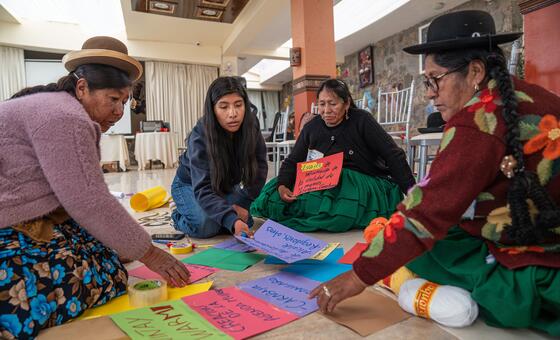
“But women are not victims,” he said. “On the contrary: all over the world, even in the harshest and most violent environments, women continue to lead, organise, mediate, and document violations.”
Women often have direct knowledge of the needs of families and communities affected by violence. Their local networks and daily experience can help identify risks, reach people who need assistance, support survivors and sustain dialogue when trust has broken down.
That contribution is vital not only during emergencies, but also in the longer work of accountability and recovery. Women help build protection systems, press for justice and support the rebuilding of communities after conflict.
“They are very powerful builders of community protection, accountability, and peace,” Türk said.
Yet women’s leadership at the local level does not always translate into representation at negotiating tables, in security planning or in political settlements. Excluding women from those spaces can leave decisions disconnected from the needs and rights of the communities they are meant to serve.
Peace requires rights, equality and participation
Türk called for women-led civil society organisations to be treated as full partners in peace and security efforts. Their participation should be meaningful from the beginning of decision-making, rather than limited to consultation after major choices have already been made.
He also argued for an understanding of security that goes beyond military spending. Lasting safety, he said, depends on human rights, social justice, accountable institutions and peaceful ways to resolve disputes.
“Equality; impartial institutions for policing and accountability; economic and social justice; non-violent mediation; and governance that fulfils people’s human rights make a society far more safe than spiralling military budgets that choke off spending for essential services,” he said.
The message is clear: recognising that Women are not victims only is not a matter of language. It requires governments and international actors to fund women-led groups, protect their work and ensure that women can influence the policies that shape peace, justice and security.
Frequently asked questions
Why is women’s participation important in peace processes?
Women bring experience from families, communities and local civil society organisations that can improve responses to violence, displacement and human rights abuses. Their participation can help ensure that peace and security decisions address the needs of the wider population.
What does it mean to say women are not victims?
It means recognising the severe harm many women and girls face in conflict without reducing them to that experience. Women are also leaders, advocates, mediators and contributors to protection, accountability and peacebuilding.
What can governments do to support women’s leadership?
Governments can include women meaningfully in political and security decisions, protect women human rights defenders, support women-led civil society organisations and invest in equal access to rights, services and justice.