Taiz Faces Deepening Humanitarian Emergency as Siege Tightens
Provpnmatrix.com – Yemen – Residents of Taiz, Yemen’s third-largest city, are confronting an increasingly severe humanitarian crisis after rising military pressure sharply restricted the movement of food, fuel and essential goods. With the city’s remaining overland connection to government-controlled territory cut off, basic commodities are becoming scarcer and far more expensive for civilians already living through years of conflict.
The city has stood at the centre of fighting between the Iran-backed Houthi movement and Yemen’s internationally recognised, Saudi-backed government since the war began in 2014. The Houthis have maintained a siege around Taiz since 2015, but the restrictions intensified at the beginning of this month when they gained control of the final main route linking the city to other areas held by the government.
The closure comes amid a wider Houthi offensive launched in early September along Yemen’s south-western Red Sea coast, aimed at taking strategically important territory. For people inside Taiz, the immediate result has been a rapid deterioration in access to everyday necessities.
Food and fuel supplies under strain
Existing stocks of wheat and flour may be exhausted in fewer than three weeks. Food prices have increased by roughly 50 per cent, while cooking gas has become difficult to obtain in much of the city. Petrol prices have risen to three times their previous level, adding another burden to households and businesses struggling to cope.
Fuel shortages have consequences beyond transport. Water systems depend on fuel to operate pumps, and health facilities need reliable energy for treatment, medicines and basic services. As supply routes narrow, the risk grows that disruptions in one essential service will intensify pressure on others.
International humanitarian law requires all parties to a conflict to protect civilians and civilian infrastructure. The UN has urged those involved in the fighting to meet those obligations as the situation around Taiz worsens.
“We continue to urge [the parties] to… uphold their obligations under international humanitarian law and to refrain from direct attacks against civilians and civilian infrastructure and take constant care to spare both civilians and the infrastructure they use,”
Stéphane Dujarric, the UN Spokesperson, delivered that appeal on Tuesday. The warning reflects the particular vulnerability of urban populations when roads, fuel supplies, water networks and medical care are all affected at the same time.
Displacement and disease compound the crisis
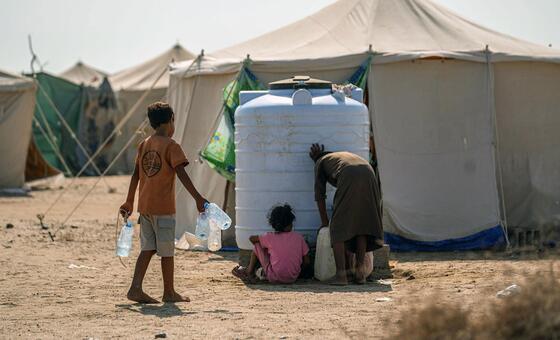
The emergency extends far beyond Taiz. Across Yemen, continued fighting and large-scale displacement have interrupted health services and forced many people into crowded shelters where clean water is insufficient. Those conditions have helped accelerate the spread of cholera, an acute intestinal infection that can be fatal and is commonly transmitted through food or water contaminated with human faeces.
Yemen has recorded 8,034 suspected cholera cases and 27 deaths so far this year. One quarter of the suspected cases have emerged during the past four weeks, highlighting how quickly the outbreak has accelerated. Since August, 200,000 people have been displaced, a period that has coincided with a marked rise in cholera transmission.
Displacement can make disease prevention especially difficult. Families who leave their homes may lose regular access to clinics, sanitation facilities and safe drinking water. Overcrowded temporary accommodation can also make it harder to separate sick people from others or maintain basic hygiene measures.
Children face another serious health threat from measles. More than 22,800 suspected cases and 128 deaths have been registered this year. Immunisation coverage is estimated at only 45 per cent for each of the two recommended vaccine doses, leaving substantial numbers of children vulnerable to diseases that vaccination can prevent.
Health system lacks funding and support
Yemen’s health facilities are being asked to treat both people wounded in combat and growing numbers of patients with infectious diseases. The strain is particularly acute in areas affected by the latest violence. Around 500 health facilities in nine governorates have no support from partners, limiting their capacity at a time when demand is increasing.
The World Health Organization is working with the Yemeni government to improve disease surveillance, laboratory testing and treatment. Its 90-day emergency health response, however, remains seriously short of the funds needed to meet the scale of the crisis. The programme requires $31 million but has received only $4.3 million, which is less than 14 per cent of the total target.
“Without urgent funding and unimpeded access to safe water, vaccination and essential health services, outbreaks could spread rapidly among already vulnerable communities,”
Dr Annette Heinzelmann of the World Health Organization stressed that the response depends on both financial support and access to affected communities. In a country where conflict has repeatedly disrupted civilian life, preventing additional deaths will require food and fuel routes to remain open, health services to function and displaced families to obtain safe water and vaccinations.
For Taiz residents, the worsening siege illustrates how military developments can quickly become a civilian emergency. As food supplies decline and costs rise, families face increasingly difficult choices over what they can buy, how they can travel and where they can seek care. The parallel spread of cholera and measles means that restoring humanitarian access is not only a matter of relief supplies, but also of limiting preventable illness in communities already under extraordinary pressure.
Related Reading
Frequently Asked Questions
What is Yemen?
Yemen is the main topic of this guide. The article explains the context, practical details, and next steps readers should understand.
Why does Yemen matter?
Yemen matters because readers are looking for a useful answer, not just a short summary. Good content should match search intent and help them decide what to do next.